

A horse that loads calmly can still get hurt in a bad trailer. Most problems do not start with panic. They start with poor balance, weak braking, bad ventilation, cheap tires, or a trailer that simply does not fit the horse or the truck pulling it. If you are shopping for the safest horse trailers, that is where the real discussion begins.
Horse trailer safety is not just about brand reputation or polished aluminum skin. It is about how the trailer behaves on the road, how well it protects the horse in a hard stop or evasive move, and how much control the driver keeps when crosswinds, rough pavement, or downhill grades show up. After years of towing and reviewing trailer equipment, the pattern is pretty clear – the safest trailer is the one with a stable chassis, strong brakes, quality running gear, good interior design, and a tow setup matched correctly to the truck.
What makes the safest horse trailers safer?
Start with structure. A safe horse trailer needs a strong frame, solid welds, and a floor system that will not surprise you five years from now. Steel frames can be very strong, but rust is the enemy if maintenance gets skipped. Aluminum resists corrosion better and helps keep weight down, but build quality still matters more than marketing. A poorly built aluminum trailer is still a poor trailer.
The floor deserves extra attention because floor failure is one of the most serious risks in any livestock trailer. Wood floors can work if they are thick, sealed, and inspected often, especially under mats where moisture hides. Aluminum floors are popular for good reason, but they also need inspection for corrosion, cracks, and wear points. The safest setup is the one you will actually maintain, not the one that sounds best in a brochure.
Axles, suspension, brakes, and tires matter just as much as the shell. Torsion axles can give a smoother ride in some applications, while leaf springs remain common, repairable, and proven. Neither is automatically safer in every case. What matters is load rating, quality components, and how the trailer rides when fully loaded with live cargo that shifts weight naturally.
Brakes and control are where safety gets real
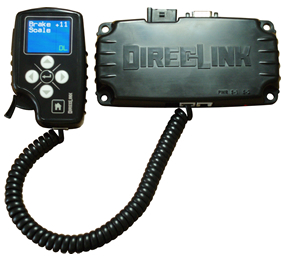
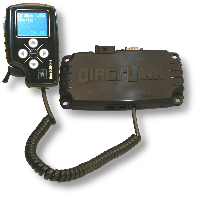
If you want to separate decent trailers from the safest horse trailers, look hard at braking. On a horse trailer, electric brakes need to be responsive, evenly adjusted, and paired with a quality brake controller in the truck. Weak trailer brakes push the truck. Overaggressive brakes can jerk the horses and create instability.
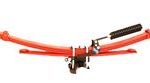
Disc brakes are a strong upgrade on many heavier horse trailers, especially for owners who tow in mountains or haul often. They generally offer better stopping power and more consistent performance than electric drum setups, though cost is higher. Hydraulic systems also add complexity. For some owners, that trade-off is worth every dollar. For others towing shorter distances on flatter roads, a well-maintained drum brake system may be enough.
Breakaway systems are not optional in any serious conversation about safety. They need to be functional, tested, and wired correctly. The same goes for trailer lighting, reflective markings, and a battery system that is not neglected until the day it is needed.
Trailer type affects safety more than most buyers think
There is no one best layout for every horse or every owner. Straight-load trailers can be a good fit for some horses and can make efficient use of space, but loading and unloading can be tighter. Slant-load trailers are popular because they often offer more room for tack and flexible stall use, yet not every horse rides best at that angle. Some larger horses simply fit better and travel more naturally in a straight-load or box stall design.
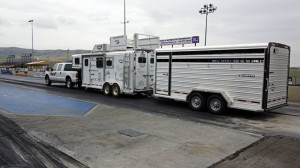
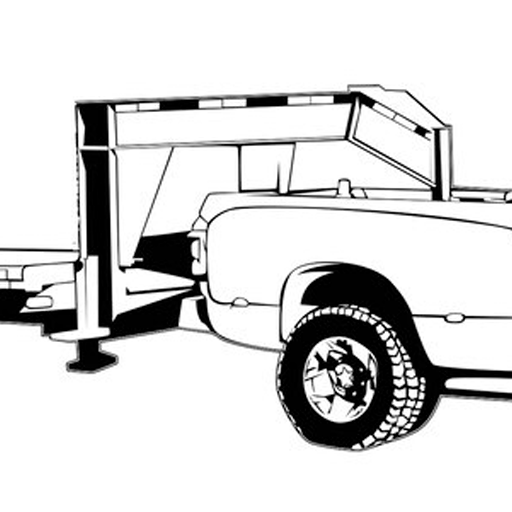
Gooseneck horse trailers usually have the edge in towing stability over bumper-pull models, especially as size and weight increase. The hitch position over the rear axle gives better control, less sway, and a more confident feel in crosswinds or emergency maneuvers. That does not mean every bumper-pull is unsafe. A properly sized bumper-pull with correct tongue weight, good trailer brakes, quality tires, and a capable tow vehicle can be a safe rig. But when people ask what style tends to be safer in real towing conditions, gooseneck is usually the stronger answer.
That said, the truck matters. A heavy gooseneck behind an under-matched pickup is not a safety upgrade. Payload, rear axle capacity, tire ratings, and hitch quality all need to line up.
Interior design can prevent injuries before they happen
The safest horse trailers do more than stay upright. They reduce the chances of slips, cuts, heat stress, and panic. That means looking inside with the same seriousness you bring to axles and brakes.
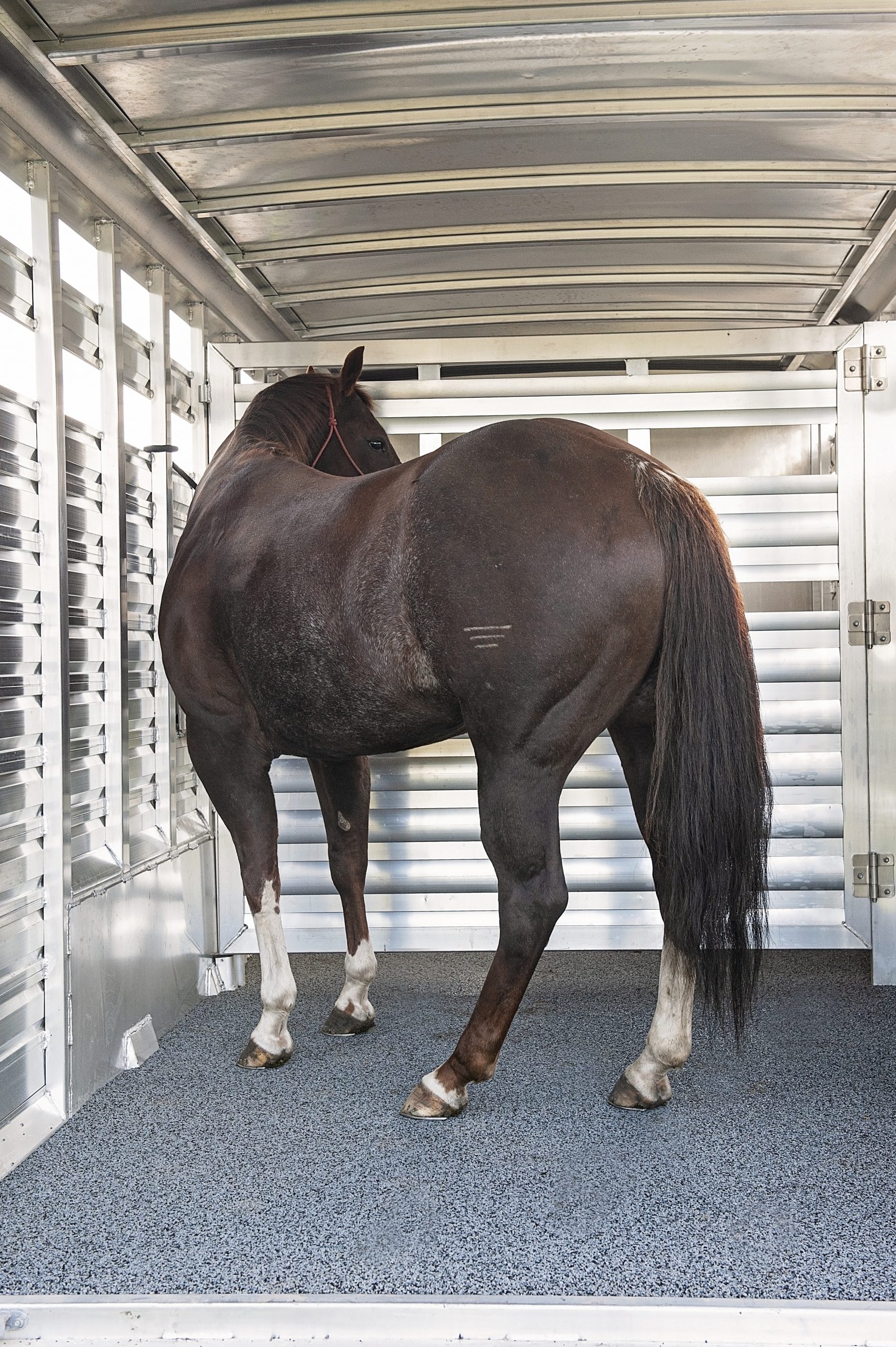
Good footing is critical. Mats should be thick, secure, and easy to remove for cleaning and floor inspection. Dividers should have enough strength to hold position without creating unnecessary pinch points. Latches should be simple and reliable, not complicated hardware that binds when dirt and road grime build up.
Headroom and width matter more than some buyers realize. A horse that travels cramped is more likely to brace badly, scramble, or arrive fatigued. Ventilation matters just as much. Roof vents, side windows, and airflow design help reduce heat and respiratory stress, especially in summer hauling. A dark, stuffy trailer can turn a routine trip into a dangerous one fast.
Quiet loading also counts as a safety feature, even if it is rarely sold that way. Low-angle ramps, solid footing, secure butt bars, and bright interiors help horses load with less stress. A horse that enters and exits calmly is less likely to injure itself or the handler.
Common weak points that make a trailer less safe
A lot of horse trailer risk comes from neglect, not design. Tires age out before they wear out. Wheel bearings get ignored. Brake magnets weaken. Rust starts where nobody looks. Owners often focus on the living quarters, paint, or tack room and miss the running gear underneath.
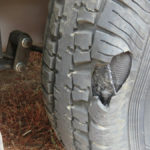
Trailer tires should be trailer-rated, correctly inflated, and replaced on age as well as tread. Blowouts on horse trailers are not just inconvenient. They can lead to loss of control, body damage, or a roadside unloading nightmare. Tire pressure monitoring systems are one of the smartest upgrades for frequent haulers because they give you warning before a heat or pressure problem becomes a failure.
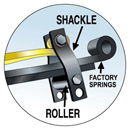
Suspension wear is another blind spot. Worn equalizers, damaged shackles, tired bushings, and bent components affect ride quality and control. Horses feel every bit of that. So does the driver.
The safest horse trailers still depend on the right tow setup
A trailer can be well built and still feel dangerous if the hitch setup is wrong. This is where many owners blame the trailer when the real issue is in the truck, hitch, or loading.
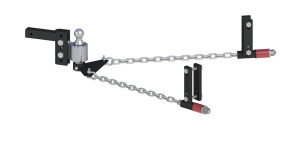
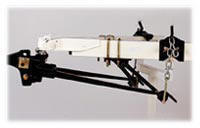
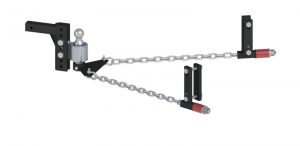
Tongue weight on bumper-pull trailers has to be right. Too light and the trailer can sway. Too heavy and the truck squats, steering gets lighter, and braking balance suffers. Weight distribution hitches may help some bumper-pull horse trailers, but only when the trailer manufacturer allows it and the setup is matched correctly.
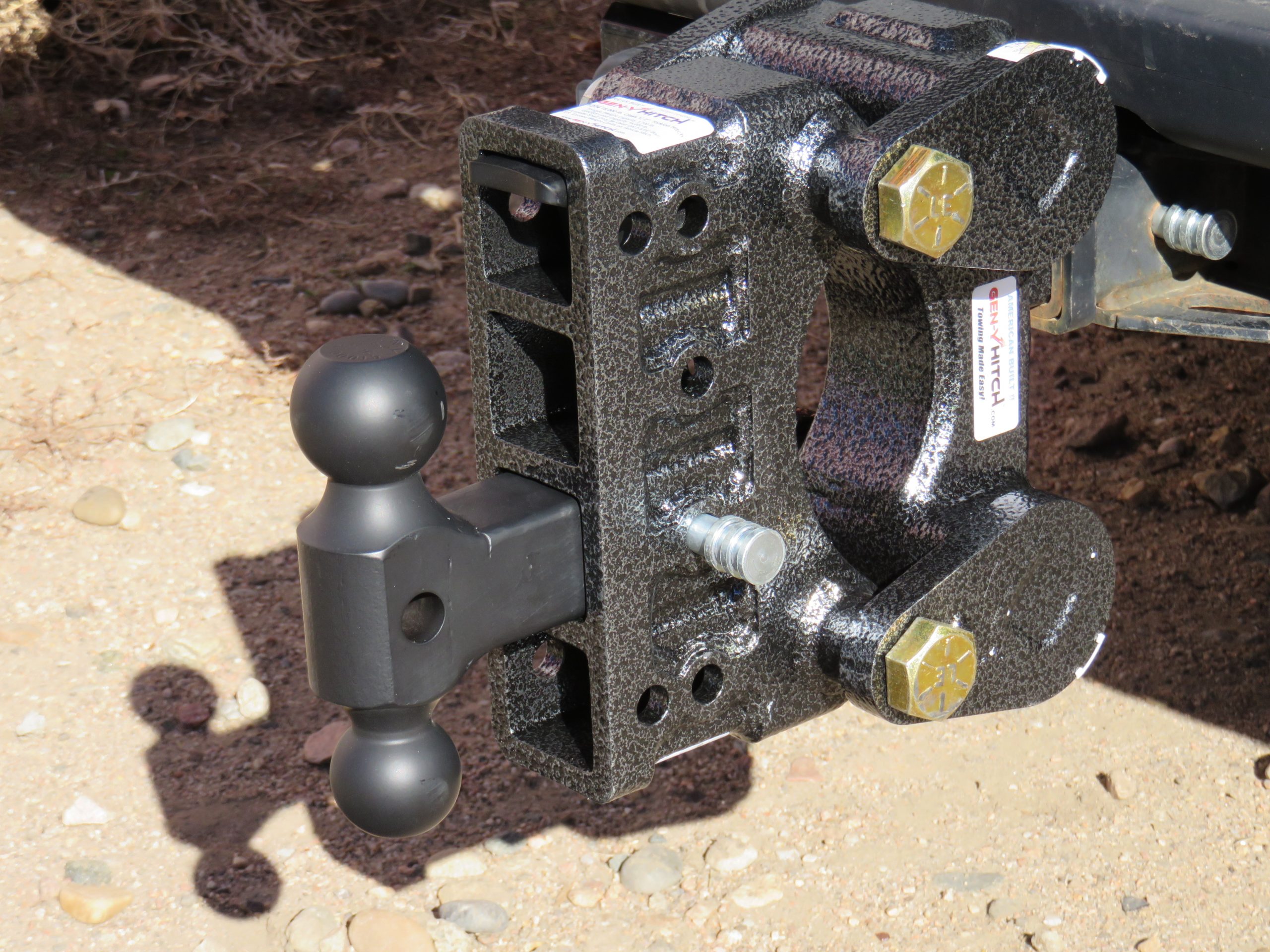
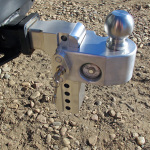
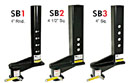
With goosenecks, hitch quality and placement matter, especially on short-bed trucks. Turning clearance, bed rail clearance, and proper installation all affect safety. Cheap hitch hardware is not where smart money goes.
Load placement inside the trailer matters too. If one horse is larger, or if tack, water, and gear are packed carelessly, balance changes. The safest trailer in the world cannot fix poor loading discipline.
How to shop for safer horse trailers
Do not shop by skin alone. Crawl underneath. Look at brake wiring, axle tags, suspension parts, tire date codes, floor supports, and weld quality. Open every latch and divider. Stand inside with the doors shut and think about airflow, light, footing, and escape access.
Ask harder questions than most buyers ask. How easy is brake service? Can you inspect the floor without tearing half the trailer apart? Are replacement parts standard and available? What is the actual empty weight, not the optimistic brochure number? Does your truck have enough payload for the loaded trailer plus passengers and gear?
Used trailers can be excellent values, but only if you inspect them like a mechanic and think like a horse owner. Cosmetic shine means very little. Maintenance records mean a lot.
A practical view on the safest horse trailers
If you want the short version, the safest horse trailers are usually the ones with solid structural build quality, dependable brakes, quality axles and tires, good ventilation, secure footing, and a stable match to the tow vehicle. For many owners hauling two or more horses regularly, a well-built gooseneck tends to offer the best control on the road. For lighter use, a properly matched bumper-pull can still be a sound and safe choice.
The point is not to chase a label. It is to build a complete safe system – truck, hitch, trailer, tires, brakes, loading, and maintenance. That is how experienced haulers keep horses safer mile after mile.
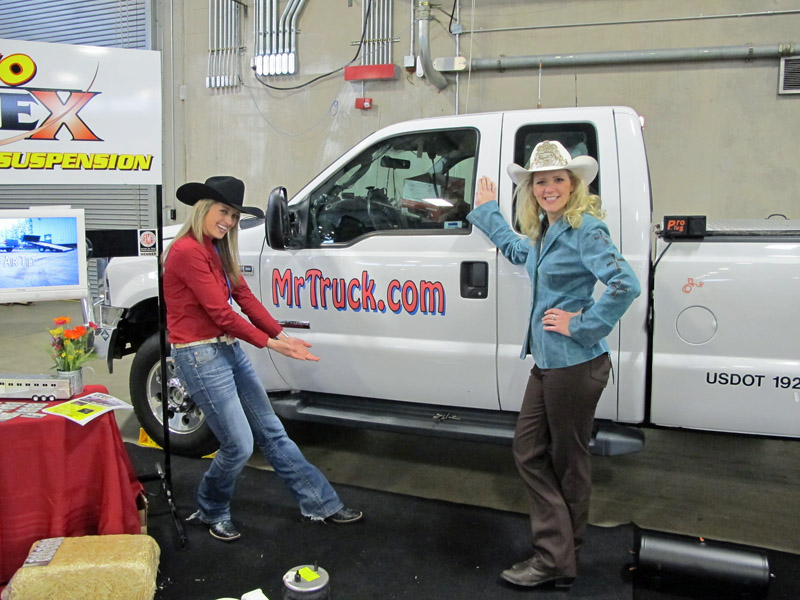
If you need proven towing and trailer safety gear, visit Store.MrTruck.com and get the equipment that works in real hauling conditions. A calm horse starts with a safer ride.