

The small truck reviews 2026 buyers actually need are not about touchscreens, fancy trim names, or who has the flashiest ad campaign. They are about which compact pickup works when you hook up a small trailer, load the bed with feed or tools, and still want a truck that fits a garage and rides decently on rough county roads. That is where the real differences show up.
For 2026, the small truck market is still centered on a few familiar names, but the gap between them is wider than some shoppers expect. A small truck can be the right answer for a lot of owners, especially if your towing is moderate, your parking space is tight, and you want better fuel economy than a full-size pickup. But there is no free lunch. Smaller trucks usually mean less payload margin, shorter wheelbases, and fewer powertrain choices built specifically with towing in mind.
Small truck reviews 2026 – what matters most
If you use your truck like a truck, the spec sheet needs context. Maximum tow rating is only part of the story. A compact pickup that looks strong on paper can still feel busy, light, or unsettled with a trailer behind it, especially in crosswinds or on broken pavement.
The first thing I look at is how the truck carries weight. Payload matters because tongue weight, passengers, a hitch, and gear all count against it fast. A small camper or utility trailer can put 400 to 700 pounds on the hitch without trying very hard. Add two adults, a toolbox, and some cargo, and you can run out of truck before you reach the advertised tow limit.
Then there is wheelbase and suspension tuning. A longer wheelbase usually helps stability. Firmer rear suspension can help with control, but it can also mean a rougher unloaded ride. Brake feel, cooling capacity, transmission behavior on grades, and mirror visibility matter more in the real world than one extra inch on a screen.
The best small trucks for 2026
Ford Maverick
The Maverick still makes a strong case because it does something many trucks fail to do – it matches how a lot of owners actually live. It is easy to park, easy to climb into, and more efficient than the body-on-frame trucks in this class. For commuting, light hauling, and occasional trailer duty, that combination is hard to ignore.
The trade-off is that the Maverick is not the compact truck I would pick first for frequent towing. Properly equipped, it can handle a small trailer well enough, but its unibody design and lighter-duty feel show up when the load gets serious. If your trailer use is a few weekends a year with a light boat, utility trailer, or pair of small ATVs, it works. If towing is a regular part of your week, there are better choices.
Best for owners who want a practical daily driver first and a truck second.
Hyundai Santa Cruz
The Santa Cruz is the oddball, and that is both its strength and its weakness. It drives more like a crossover than a traditional pickup, which many suburban buyers will like right away. Ride comfort is good, interior packaging is smart, and it feels refined on the road.
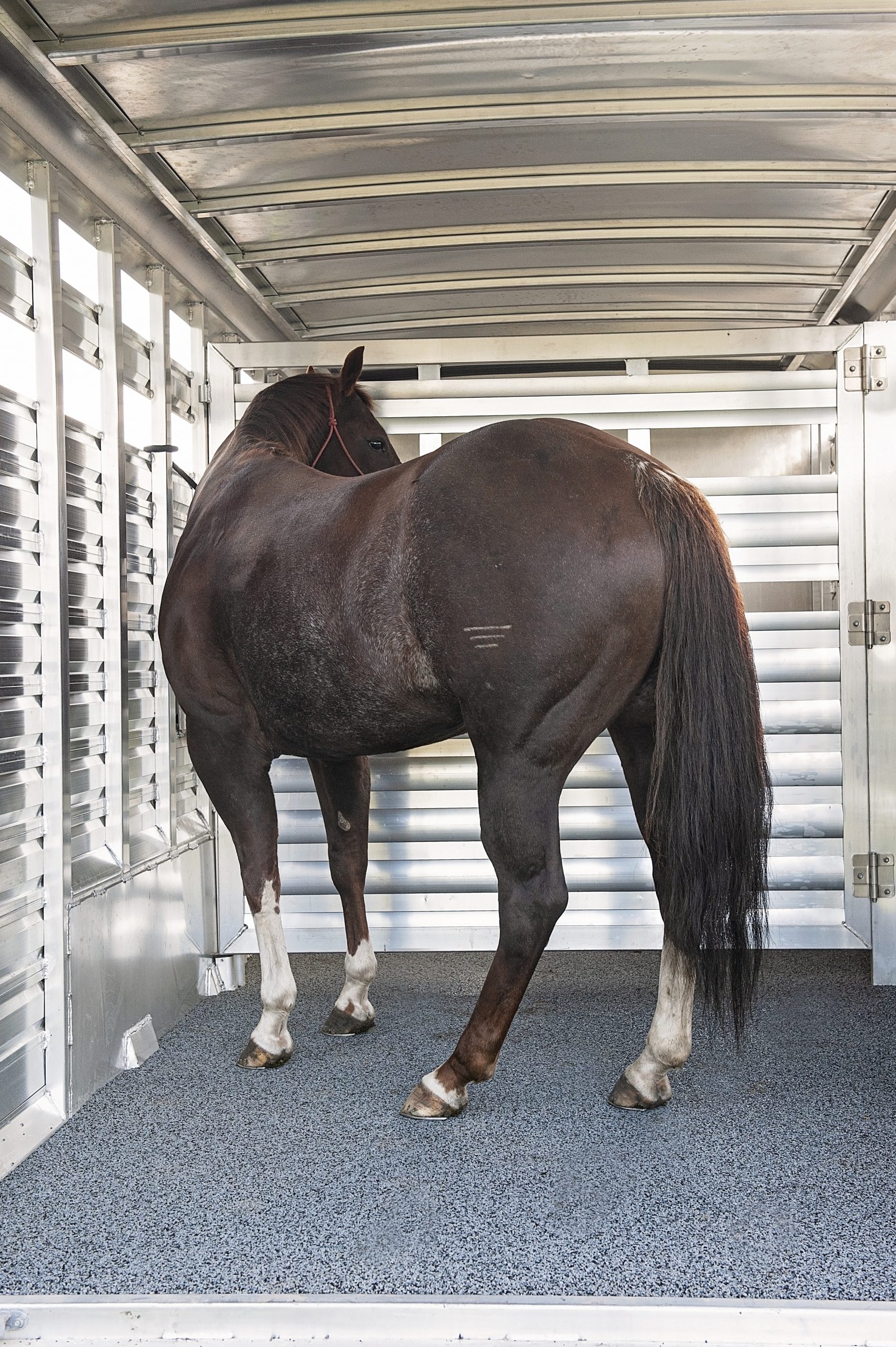
But if your shopping list starts with towing, payload, or bed utility, the Santa Cruz comes with more compromises than the Maverick. The bed is short, the overall truck feel is lighter-duty, and aftermarket support for towing-specific add-ons is not usually as broad as what truck-first buyers want. It is a handy lifestyle truck, but for ranch work, horse gear, or repeated trailer miles, it is not my first recommendation.
Best for buyers who want a small pickup shape with SUV manners.
Toyota Tacoma
If you are reading small truck reviews 2026 because you actually plan to tow, haul, and keep the truck a long time, the Tacoma deserves a hard look. It remains the most truck-like choice in the compact group, with better off-road credibility than most owners need and a stronger reputation for long-term durability than most rivals can match.
The Tacoma’s advantage is not that it does one thing perfectly. It is that it handles abuse, work, and mixed use better than many small trucks. It feels more substantial under load, and for trailer owners that matters. With the right equipment, it is one of the safer bets for moderate towing in this class.
The downside is ride quality and price. Tacoma buyers often pay more, and the truck can feel stiff or busy depending on trim and tire choice. Fuel economy may also disappoint if you are expecting car-like numbers. Still, if you want a compact truck that behaves like a real working pickup, Tacoma stays near the top.
Best for owners who tow regularly and want long-haul dependability.
Chevrolet Colorado
The Colorado has matured into one of the strongest all-around compact pickups for people who need capability without jumping to a half-ton. It has enough size and chassis confidence to feel comfortable with a trailer, yet it is still more manageable than a full-size truck in town.
What I like about the Colorado is that it does not pretend to be something it is not. It is a midsize truck with real truck manners. That means better towing confidence than crossover-based competitors and fewer compromises in bed utility. If you are pulling a small RV, a pair of motorcycles, landscaping equipment, or ranch supplies, Colorado makes sense.
The trade-off is that once you start optioning it up, the price can creep into full-size territory. That is where buyers need discipline. If you need small-truck dimensions, good. If you are paying almost half-ton money and still need more payload, step back and compare carefully.
Best for buyers who want one truck to daily drive and tow without drama.
GMC Canyon
The Canyon shares a lot with the Colorado, and that is not a bad thing. It tends to lean a little more upscale in trim and presentation, but underneath, you are getting the same basic formula – a compact-ish truck with enough chassis and power to do real work.
For towing-focused buyers, the Canyon’s appeal is its balance. It is easier to live with than a full-size truck but still capable enough for many recreational and light commercial trailer jobs. Stability, power delivery, and general road feel are better than what you get in the softer, more lifestyle-oriented entries.
Its biggest problem is value. If you are buying capability, the Colorado often makes the more practical case. If you prefer the Canyon’s features and finish and the price is right, fine. Just do not confuse nicer trim with better towing fundamentals.
Best for buyers who want Colorado capability with a more premium feel.
Which small truck is best for towing?
If towing is your first priority, the Toyota Tacoma, Chevrolet Colorado, and GMC Canyon are the strongest choices here. They have the more truck-oriented bones, and that usually translates into better control with a trailer attached. Between those three, the best pick depends on how you use the truck.
The Tacoma is the durability play. The Colorado is the best all-around value-capability mix. The Canyon offers similar muscle with a more upscale personality. For occasional light towing and everyday commuting, the Maverick still makes sense, but it is not the one I would hand to someone pulling near the upper end of a small trailer’s weight range every month.
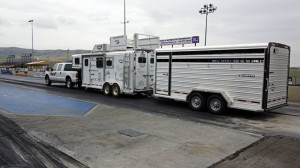
A good rule is simple. Buy more truck than your current trailer needs if you plan to keep the truck for years. Owners often upgrade campers, cargo trailers, or horse trailers before they replace the pickup, and that is when undersized choices get expensive.
Buying advice from these small truck reviews 2026 buyers should not ignore
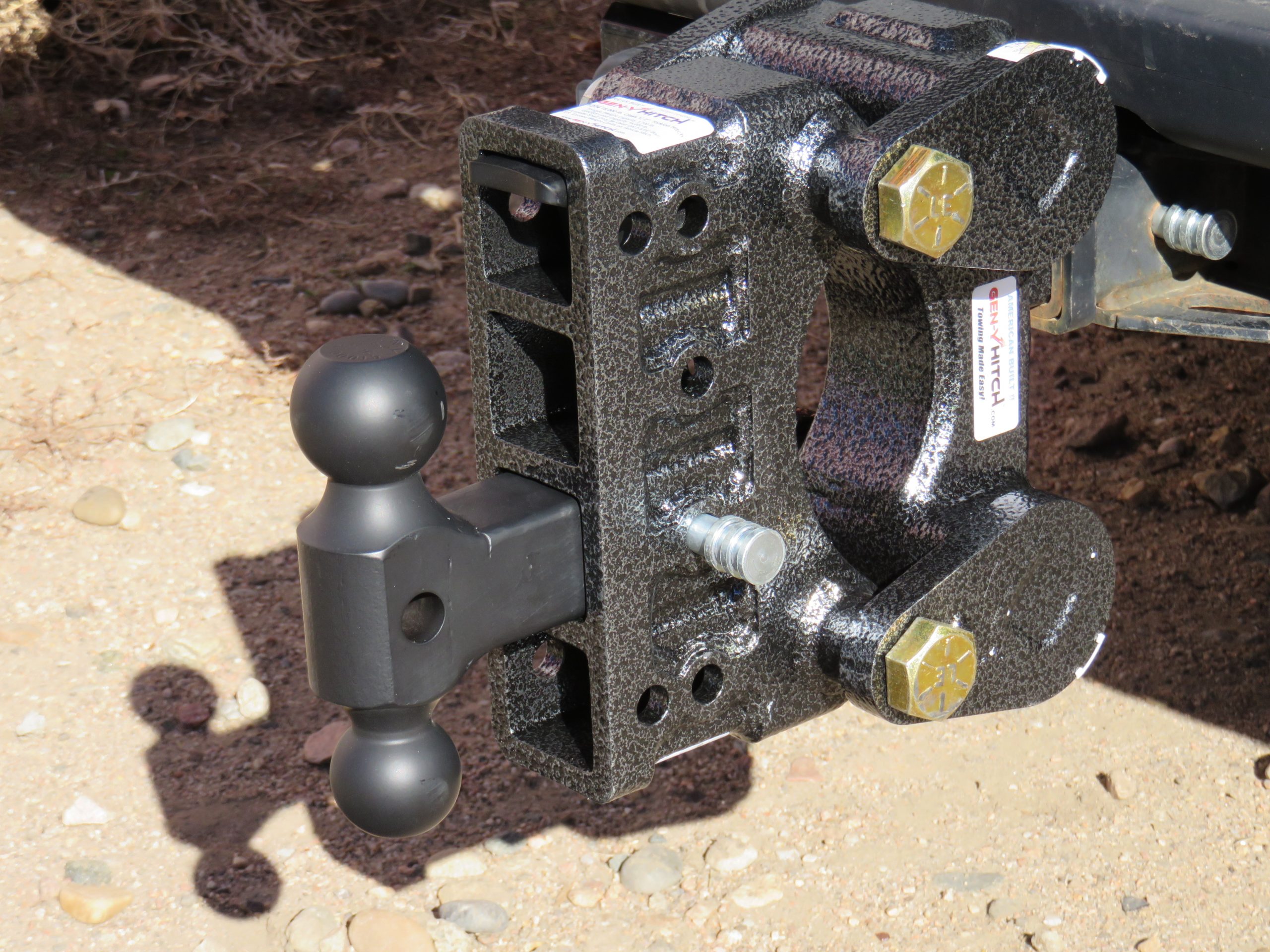
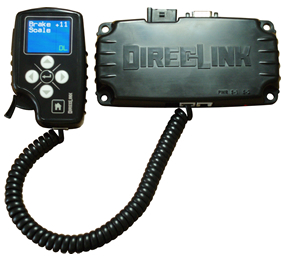
Do not shop by max tow number alone. Check payload on the driver’s door sticker, not just the brochure. Pay attention to axle ratio, cooling package, brake controller availability, and whether the truck’s hitch setup is ready for your trailer type.
If you tow in the mountains, deal with strong winds, or carry a family plus cargo, leave yourself margin. A truck that feels fine on a flat dealer test drive can feel very different on a grade with 5,000 pounds behind it. Shorter trucks are also more sensitive to trailer setup, so hitch height, tongue weight, and trailer brake adjustment matter even more.
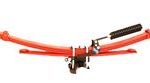
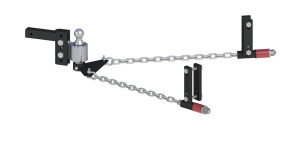
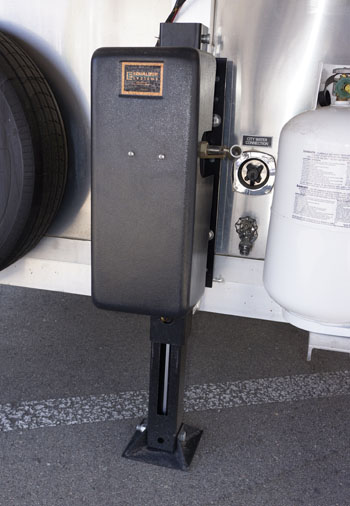
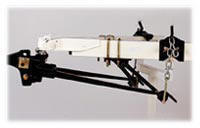
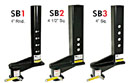
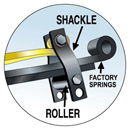
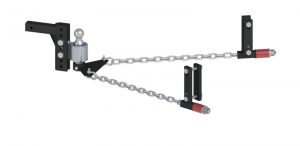
And if you are planning upgrades, think ahead. Suspension support products, trailer tire pressure monitoring, weight distribution, and better towing mirrors can make a meaningful difference, but only if the truck itself is correctly matched to the job.
The best small truck is the one that still feels confident after the new-truck smell is gone, when the bed is dirty, the trailer is loaded, and the weather turns bad. If you want proven towing gear, suspension help, trailer security products, and real advice from people who know trucks, visit Store.MrTruck.com.
Pick the truck that gives you margin, not excuses.