

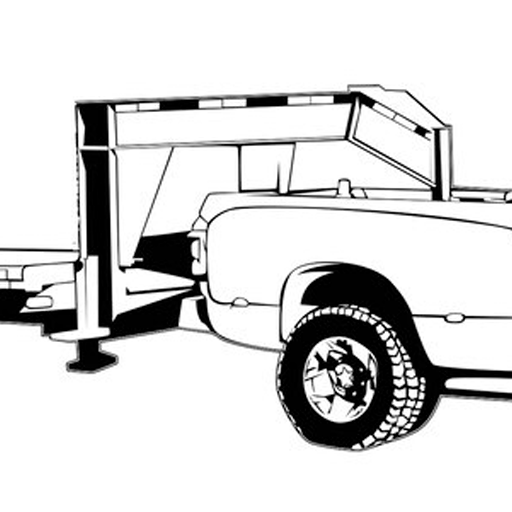
A trailer can feel perfectly stable leaving the driveway, then expose a loose coupler, soft tire, or overloaded axle 30 miles later. That is why a towing safety checklist guide should be part of every departure routine, whether you are pulling a fifth-wheel across several states, hauling horses to a show, or taking equipment across the county.
The good news is that a serious pre-trip inspection does not take long once you develop the habit. The bad news is that skipping it can turn a minor issue into sway, brake loss, tire failure, damaged cargo, or a roadside stop with a trailer blocking traffic. Start every trip with the truck and trailer separated in your mind. Both systems need to be ready, and the connection between them has to be right.
Start With Ratings, Weight, and Load Placement
Before checking hardware, make sure the combination makes sense on paper. Your truck’s tow rating is only one part of the equation. Pay attention to payload, rear axle rating, tire load capacity, hitch rating, trailer GVWR, and the loaded weight of the trailer. A truck can have plenty of advertised towing capacity yet run out of payload once passengers, a bed-mounted hitch, cargo, and heavy tongue weight are added.
Load placement matters just as much. Most bumper-pull trailers need roughly 10 to 15 percent of loaded trailer weight on the hitch. Too little tongue weight is a common cause of sway. Too much can overload the truck’s rear axle, receiver, tires, or suspension. Fifth-wheel and gooseneck trailers normally place more of their weight over the truck bed, so payload becomes especially critical.
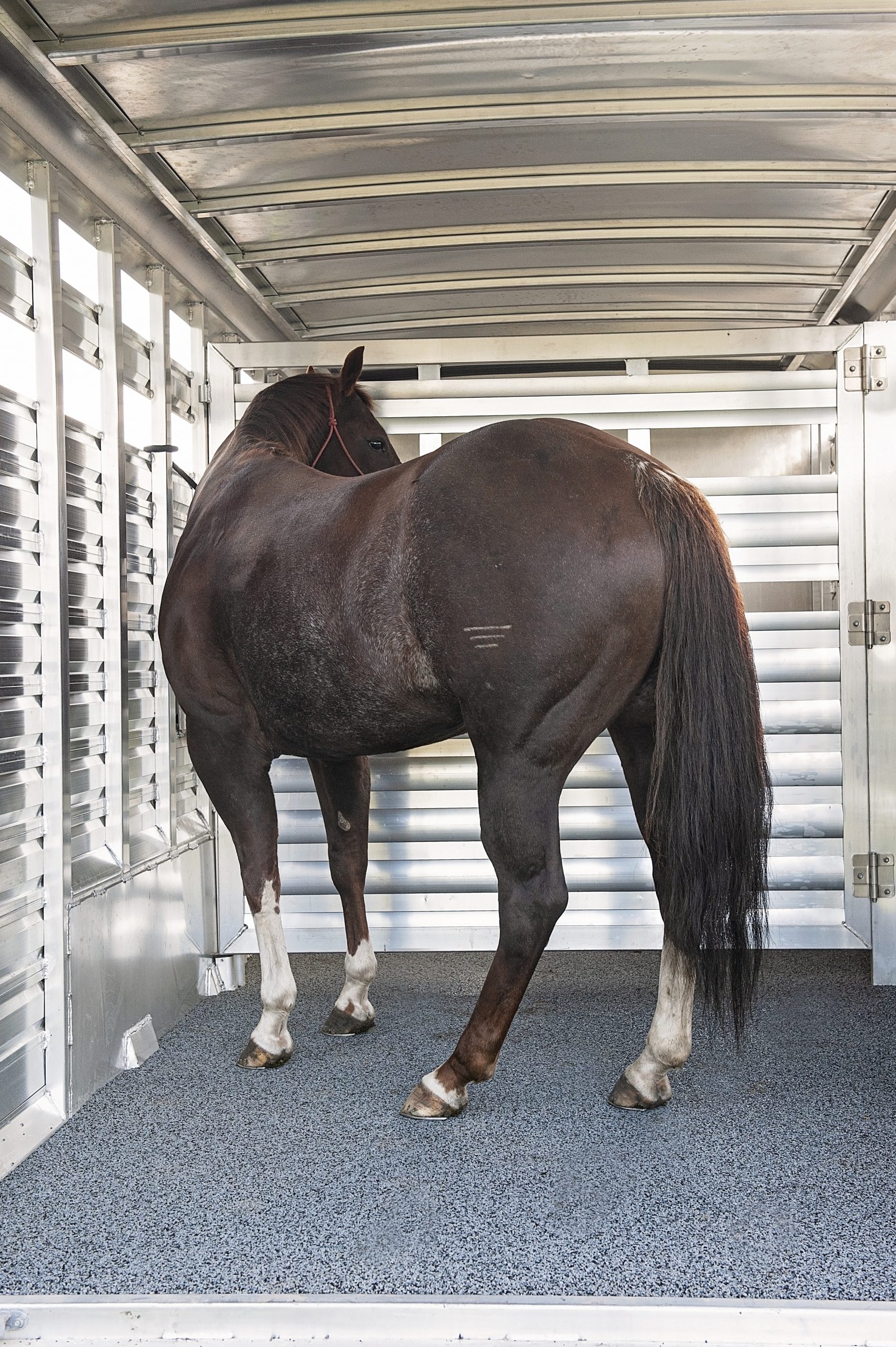
Keep heavy cargo low and centered over the trailer axles whenever practical. Secure it so it cannot shift under braking or in a quick lane change. With horse trailers, remember that live cargo changes the equation. A horse moving, a full water tank, or gear loaded into a front tack room can change balance more than many owners expect.
Towing Safety Checklist Guide: Truck Inspection
Begin at the truck. Check engine oil, coolant, brake fluid, transmission fluid where applicable, and windshield washer fluid. Towing raises heat and workload, especially in hot weather, mountains, headwinds, and stop-and-go traffic. A small cooling-system problem that goes unnoticed when running empty may show up fast with a heavy trailer behind you.
Inspect all four truck tires, including the spare if it is part of your roadside plan. Check pressure when tires are cold and use the pressure specified for the load and tire application. Do not rely on a quick visual check. A tire can be significantly low without looking flat, and low pressure builds heat that destroys tires under a trailer load.
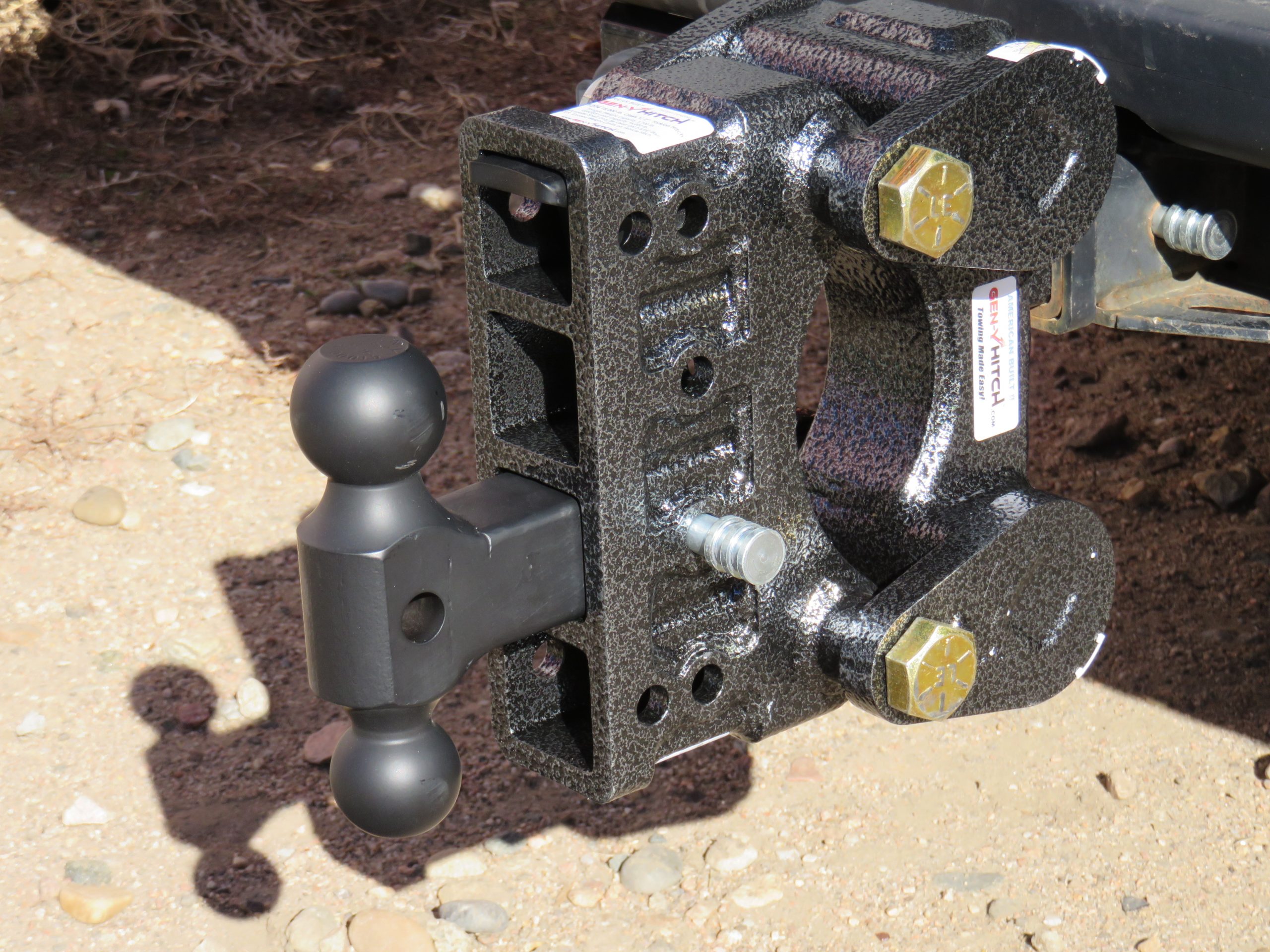
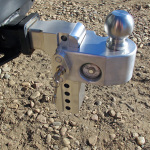
Look at the truck’s hitch system. On a receiver hitch, inspect the receiver opening, hitch pin, clip or locking pin, ball mount, ball, and safety-chain attachment points. Make sure the ball rating matches or exceeds the trailer’s loaded requirement. A worn ball, loose mount, or undersized component is not a detail to overlook.
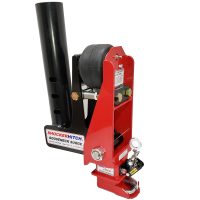
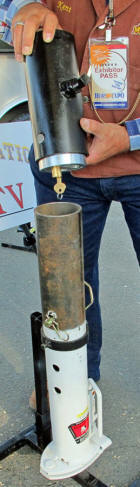
For a fifth-wheel or gooseneck, inspect the bed hitch, mounting hardware, jaws or coupler, latch handle, safety pin, and breakaway cable attachment point. Check for loose bolts, cracked welds, excess movement, or hardware that has been bent by a previous hard stop or jackknife. If your truck squats excessively with the trailer connected, do not assume helper springs solve an overload. Suspension upgrades can improve control and ride, but they do not increase factory axle, tire, or payload ratings.
Inspect the Coupling Before You Raise the Jacks
Most dangerous towing failures happen at the hitch connection. For a bumper-pull trailer, lower the coupler fully onto the correct ball size, close and lock the latch, then raise the trailer tongue jack until it starts to lift the rear of the truck slightly. This simple test confirms that the coupler has captured the ball.
Cross the safety chains under the trailer tongue so they can help cradle the tongue if the coupler disconnects. Chains should have enough slack for turns but not drag on the pavement. Connect the breakaway cable directly to the truck or a dedicated attachment point, not to the safety chains. It needs to pull straight if the trailer separates.
With a fifth-wheel, confirm the kingpin is fully seated in the hitch jaws, the handle is locked, and the safety pin is installed. Perform a pull test before raising the landing gear completely. Keep the trailer chocked during this process. A high-hitch mistake can drop a trailer onto the bed rails or damage the truck and trailer in seconds.
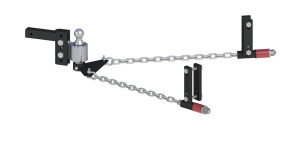
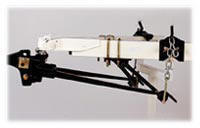
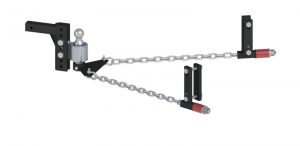
If you use a weight distribution hitch, inspect the spring bars, brackets, chains or jacks, and retaining pins. The system must be adjusted for the loaded trailer, not merely installed. A properly set hitch helps return weight to the front axle and improves steering and braking control. It cannot compensate for a trailer loaded tail-heavy.
Brakes, Lights, and the Breakaway System
Connect the electrical plug and verify that it is fully seated and secured. Then test running lights, brake lights, left and right turn signals, hazard flashers, and reverse lights if equipped. Do this before the trailer is loaded into a tight parking area or pulled onto the highway. Corroded connectors and weak grounds are frequent causes of lighting trouble.
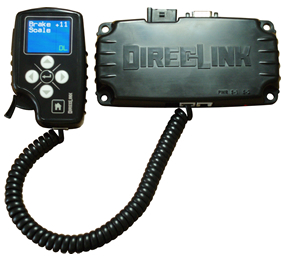
Set the brake controller for the trailer’s current load, then test it in a safe, low-speed area. The trailer brakes should contribute firmly without locking the wheels. The right setting depends on trailer weight, brake condition, road surface, and controller type. A setting that worked with an empty utility trailer may be wrong for a loaded camper or livestock trailer.
Test the breakaway system according to the trailer manufacturer’s procedure. The battery should be charged, the cable should be in good condition, and the switch must activate the trailer brakes if the trailer separates. This is one of the most neglected safety items on older trailers, which is exactly why it deserves attention.
Tires, Wheels, and Trailer Running Gear
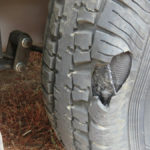
Trailer tires have a hard life. They often sit for long periods, carry high loads, and get dragged around tight turns. Check their pressure cold, inspect tread and sidewalls for cracks, bulges, punctures, or uneven wear, and confirm the tire’s load range is appropriate for the axle load. Replace aged or weather-cracked tires even if they still have tread.
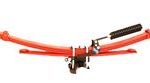
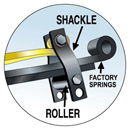
Walk around the trailer and inspect wheel lug nuts, hubs, leaf springs or suspension components, shackles, equalizers, and axle hardware. Look for grease around the inside of a wheel, which can signal a failing hub seal. After a short drive, carefully check for a hub that is noticeably hotter than the others. Excessive heat points to a bearing, brake, or tire problem that needs attention before continuing.
A tire pressure monitoring system is worthwhile for many towing setups. It does not replace a manual inspection, but it can alert you to a developing pressure loss or temperature problem before it becomes a shredded tire and damaged trailer sidewall.
Final Walk-Around Before You Roll
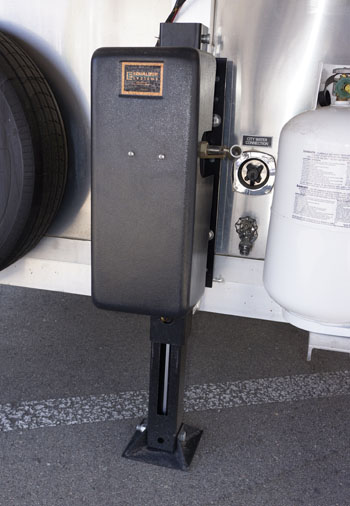
Your last walk-around catches the easy-to-miss items. Confirm that jacks are fully raised, steps are folded, doors and compartments are latched, ramps are secured, and awnings are locked. Check that cargo straps are tight and that nothing can swing, drag, or blow out.
For a final four-point check, verify these items: hitch latched and pinned, chains and breakaway cable connected correctly, electrical plug working, and tires properly inflated. Then look once more at the truck bed, trailer roofline, and ground around the trailer. Chocks, tools, jack pads, and loose blocks are commonly left behind when a trip starts in a hurry.
Once underway, give the rig a few miles to tell you how it feels. Watch mirrors, check brake response, listen for new noises, and stop after the first short stretch to recheck straps, hitch hardware, and hub temperature. Safe towing is not a one-time inspection. It is a habit that protects the truck, the trailer, the people around you, and the reason you hitched up in the first place.
For proven towing gear selected for real-world hauling, visit the MrTruck store.