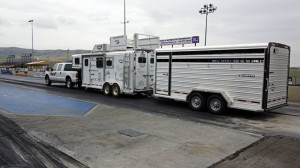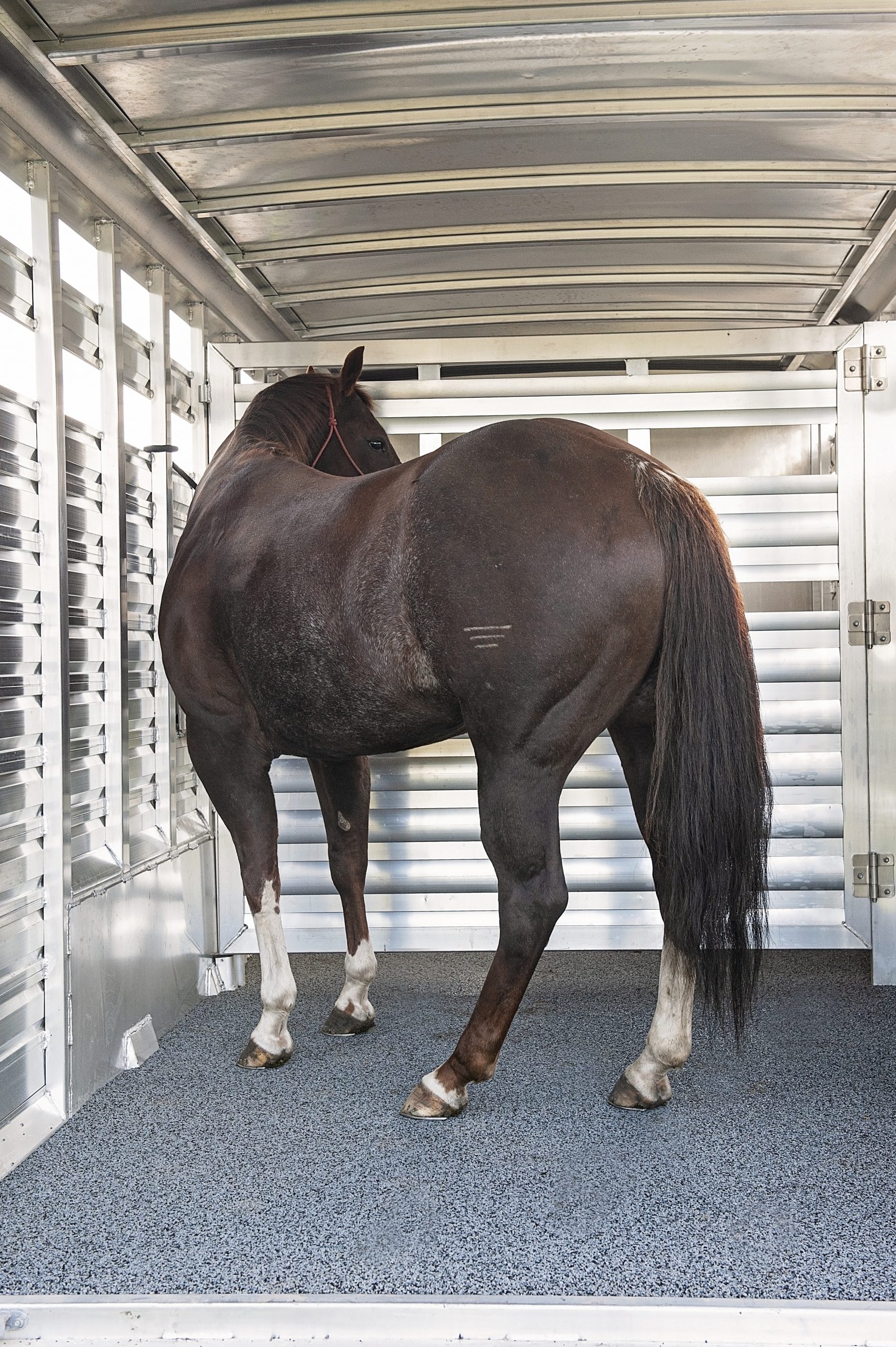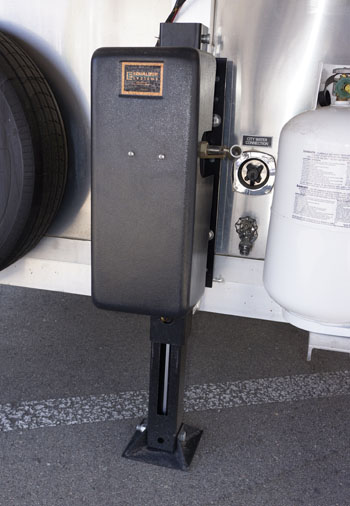



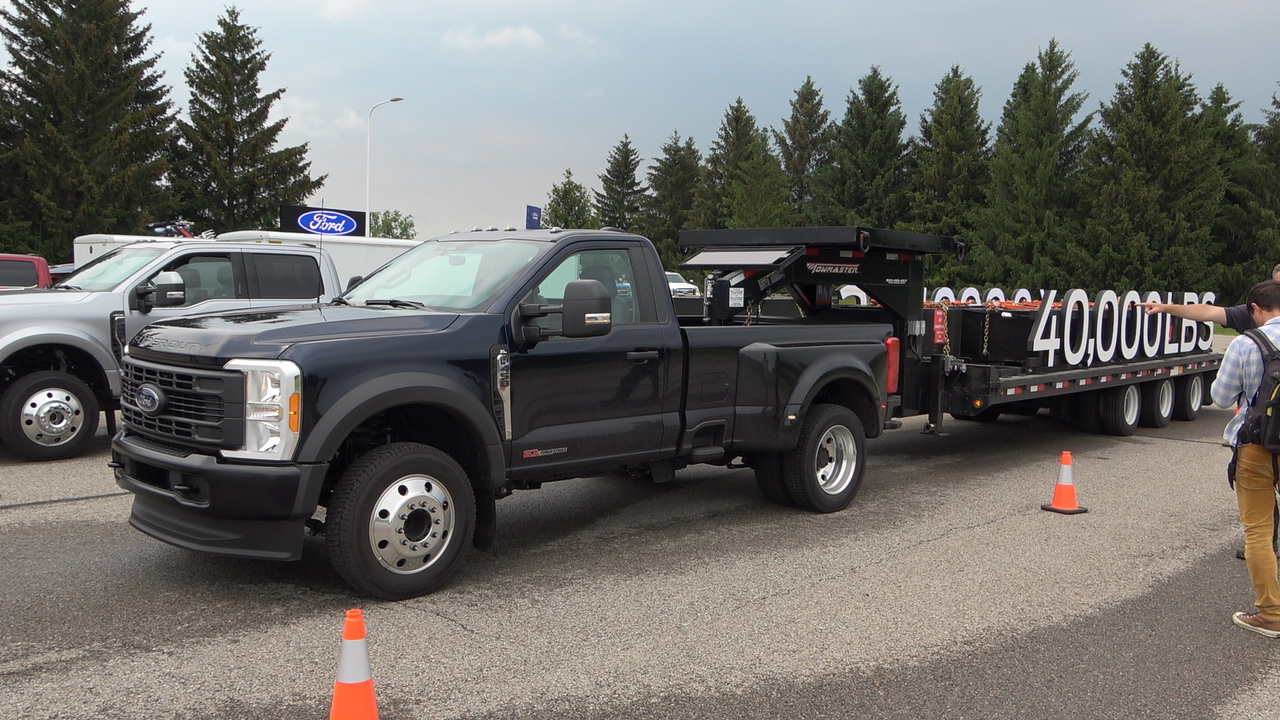
 That new heavy-duty pickup can look like it will carry anything. Then you load four adults, a fifth-wheel hitch, a toolbox, a cooler, firewood, and 2,500 pounds of pin weight, and the numbers tell a different story. This truck payload calculation guide is how you find that limit before a roadside scale, a worn-out tire, or an insurance claim finds it for you.
Payload is not a brochure bragging right. It is the real capacity left in your specific truck after the factory built it with its particular cab, bed, engine, drivetrain, trim, and options. For RV towing, horse trailers, work trailers, and goosenecks, payload is often the rating that runs out first.
Start With the Payload Sticker, Not an Advertisement
Open the driver’s door and look for the yellow-and-white Tire and Loading Information label. It states, “The combined weight of occupants and cargo should never exceed” a specific number. That is the payload capacity for that truck as it left the factory. https://store.mrtruck.com/
Do not substitute the highest payload figure you saw online for the number on your door sticker. A base regular-cab two-wheel-drive work truck may carry far more than a loaded crew-cab four-wheel-drive model with a diesel, panoramic roof, larger wheels, and luxury equipment. Those options all weigh something, and their weight comes out of payload.
Payload is commonly described with this formula:
Payload capacity = GVWR – actual truck weight
GVWR means Gross Vehicle Weight Rating. It is the maximum allowable weight of the loaded truck. The practical number to use every day, however, is the payload number on the door label, then verify the loaded truck on a certified scale.
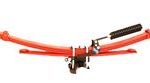
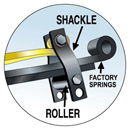
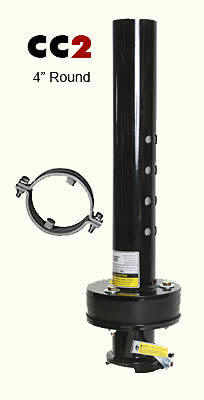
A suspension helper system can improve ride height, control, and stability when properly selected and installed. It does not raise the truck’s factory GVWR, axle ratings, tire ratings, or door-sticker payload. That distinction matters. Level is not the same thing as legal or safe.
What Counts Against Truck Payload?
Everything added to the truck after it left the factory counts. That includes the driver, every passenger, the hitch, cargo in the cab, cargo in the bed, and the portion of trailer weight carried by the truck.
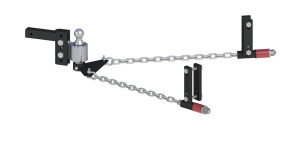
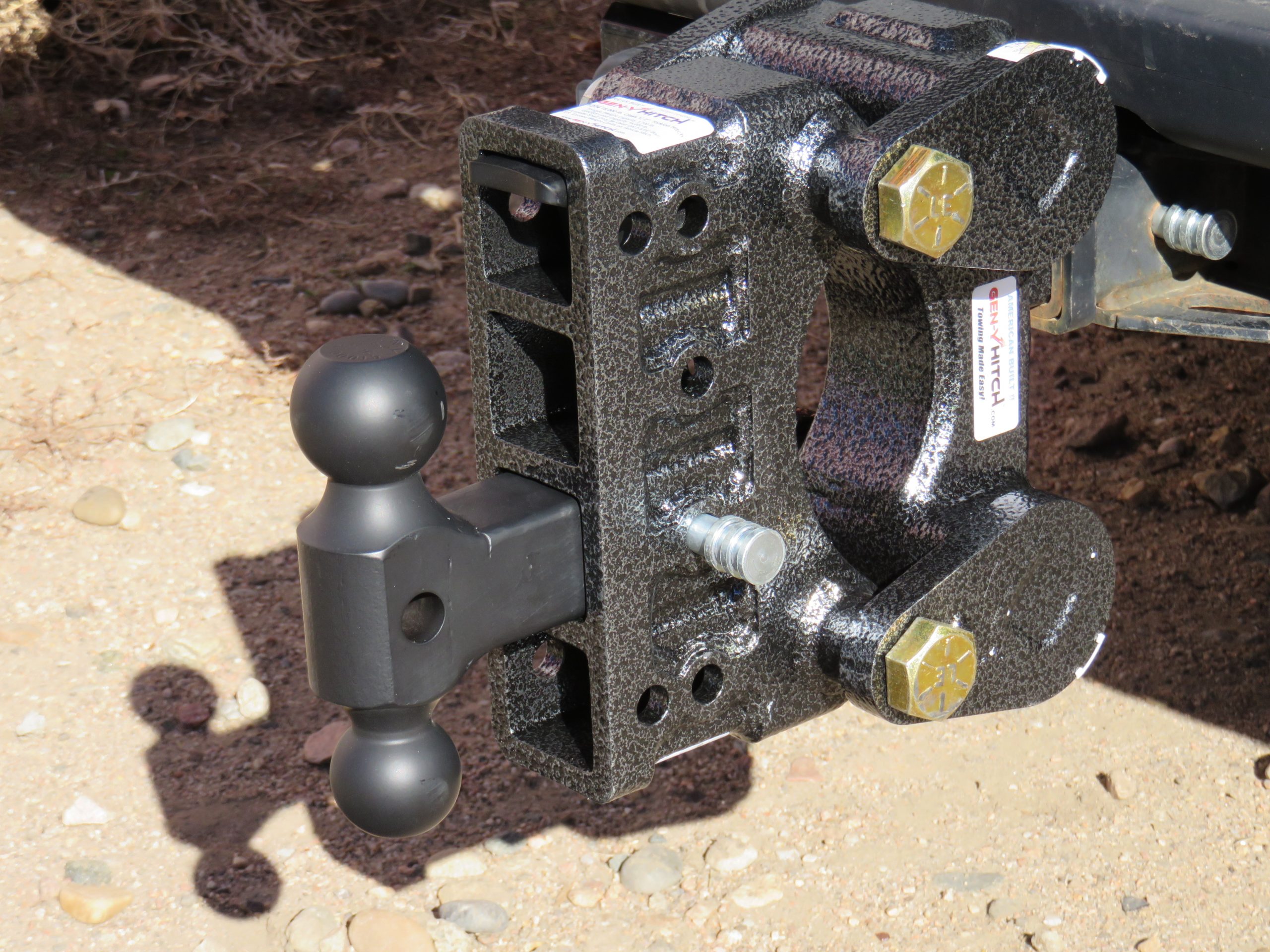
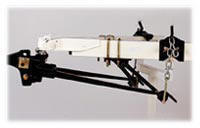
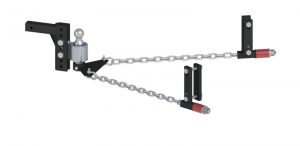
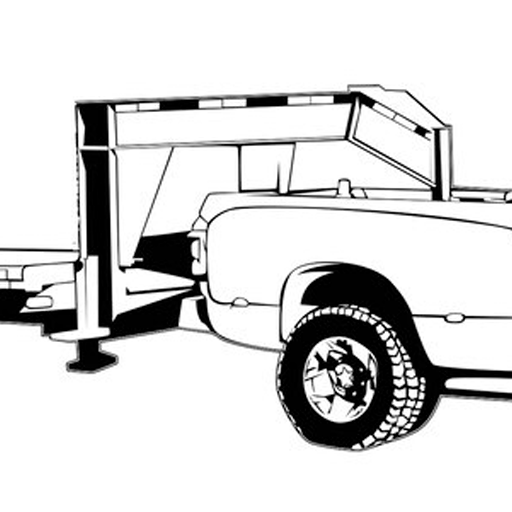
For a conventional bumper-pull trailer, that carried load is tongue weight. For a fifth-wheel or gooseneck trailer, it is pin weight. A weight-distribution hitch may shift some weight toward the front axle and trailer axles, but it does not make hitch weight disappear. The hitch head, spring bars, and other hardware also add weight to the truck.
The overlooked items are usually what push a careful-looking setup over the line. Consider the everyday load: a bed cover, spray-in liner, auxiliary fuel tank, heavy aftermarket bumpers, recovery gear, portable generator, tools, dog crate, feed bags, coolers, and the family sitting in the cab. If it rides in or on the truck, put it in the calculation.
Trailer loading changes the equation, too. Water tanks, hay, tack, generators, motorcycles, and cargo placed forward or behind the trailer axles can change tongue or pin weight substantially. A trailer that is comfortably within limits empty may not be acceptable when packed for a week on the road.
Truck Payload Calculation Guide: Do the Math Before You Hitch Up
Start with the payload figure on the door sticker. Subtract the actual weight of people, truck cargo, and hitch equipment. What remains is the maximum tongue or pin weight you can carry without exceeding the truck’s stated payload capacity.
Here is a realistic fifth-wheel example. Assume the door sticker says the truck has 2,850 pounds of payload. The driver and one passenger weigh 380 pounds. A fifth-wheel hitch weighs 220 pounds. A toolbox, bed cover, tools, and travel gear add 300 pounds.
That is 900 pounds already spoken for:
2,850 pounds payload – 900 pounds truck load = 1,950 pounds available for pin weight
If the fifth-wheel weighs 10,500 pounds loaded and carries 20 percent of that weight on the pin, the pin weight is about 2,100 pounds. This truck is already 150 pounds over its payload before adding a third passenger, a cooler, or a generator.
A bumper-pull example can surprise owners just as quickly. A 9,000-pound loaded travel trailer may carry 10 to 15 percent tongue weight, or roughly 900 to 1,350 pounds. Add a 600-pound family, 100 pounds of hitch equipment, and 300 pounds of gear to a truck with 1,850 pounds of payload, and the margin can vanish fast.
Estimated percentages are useful for shopping, but they are not a final answer. Fifth-wheel and gooseneck pin weight commonly lands around 15 to 25 percent of loaded trailer weight. Conventional trailer tongue weight is often around 10 to 15 percent. Actual loading, tank locations, trailer design, and cargo placement can move those numbers enough to matter.
A Scale Ticket Is Better Than a Guess
The best payload calculation uses actual weights. Visit a certified public scale with the truck loaded as it will be for travel. Fill the fuel tank, bring the passengers who normally ride along, and load the usual gear. Weigh the truck by itself first.
Then hitch the loaded trailer and weigh the complete combination. If the scale layout allows it, get separate axle weights for the truck’s front axle, rear axle, and trailer axles. That one scale visit answers questions that a spec sheet cannot.
Compare the results against all applicable ratings:
- The truck’s GVWR
- Front and rear GAWRs, or Gross Axle Weight Ratings
- Tire load ratings and tire pressure requirements
- The trailer’s GVWR and axle ratings
- The truck’s GCWR, or Gross Combined Weight Rating
These ratings protect different parts of the rig. A truck can be under GCWR and still exceed payload or rear axle rating. It can be under GVWR but overload a rear tire. This is why “it pulls fine” is not a weight calculation.
If your scale weight is close to a limit, do not treat the last few pounds as usable margin. Cargo shifts. Passengers change. You may buy supplies on the road, add water, or load a heavier horse. Leave enough room for the real trip, not just the empty driveway.
Watch the Rear Axle, Tires, and Hitch Rating
Payload is the headline number, but rear axle and tire loading deserve the same attention. Fifth-wheel and gooseneck pin weight lands directly over or slightly ahead of the rear axle. That is one reason a truck can squat little with a good suspension setup yet still be overloaded.
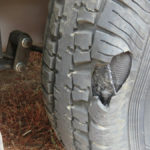
Check the rear GAWR on the driver’s door label and the load rating molded into each tire. Use the tire inflation pressure specified for the load and tire application. Do not assume higher-pressure replacement tires automatically increase the truck’s legal carrying ratings.
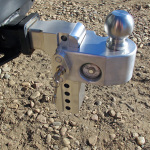
Also verify the hitch itself. Receiver hitches have separate ratings for weight-carrying and weight-distribution use. Fifth-wheel and gooseneck hitches have vertical load ratings, and the rails, mounting hardware, bed condition, and installation all matter. A high trailer rating does not excuse a low truck payload rating.
Common Payload Mistakes We See Repeatedly
The first mistake is using dry trailer weight. Dry weight often excludes propane, batteries, water, dealer-installed equipment, personal cargo, and sometimes options that are standard on the trailer you are actually buying. Shop with the trailer’s realistic loaded weight, not the smallest number on the sales sheet.
The second is forgetting that diesel engines and luxury packages can cost meaningful payload. There is nothing wrong with either choice, but a buyer planning to tow a large fifth-wheel needs to match the truck configuration to the pin weight, not just select the biggest badge on the fender.
The third is believing airbags solve overload. Airbags, helper springs, and quality shocks can make a properly matched truck handle a heavy load more confidently. They are valuable tools for ride control and towing stability. They do not change the ratings established by the manufacturer.
Finally, do not confuse towing capacity with payload. Towing capacity describes how much trailer the powertrain and chassis may pull under stated conditions. Payload tells you how much weight can be carried by the truck. A half-ton may have an impressive maximum tow rating and still run out of payload with a family and a moderate-size fifth-wheel.
A properly matched truck and trailer should feel controlled, not merely possible. Know your door-sticker payload, load with honest numbers, and confirm the final setup on a scale before the long haul. For proven hitches, suspension support, tire monitoring, and towing gear chosen for real-world use, visit the https://store.mrtruck.com/.
Comments