


If your trailer feels fine at 45 mph but starts moving the truck around at highway speed, you are dealing with a setup problem, not bad luck. That is where weight distribution vs sway control gets misunderstood. A lot of trailer owners use the terms like they mean the same thing, but they do two different jobs, and knowing the difference matters for safety, steering control, braking, and driver confidence.
The short version is simple. Weight distribution helps level the tow vehicle and trailer by shifting some tongue weight forward to the truck’s front axle and back to the trailer axles. Sway control helps resist the trailer’s side-to-side movement. One manages load balance. The other manages trailer motion. Some hitch systems do both, but they are not the same thing.
Weight distribution vs sway control: what each one does
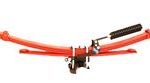
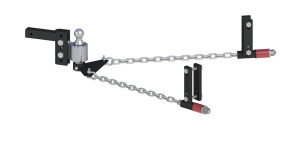
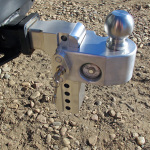
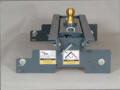
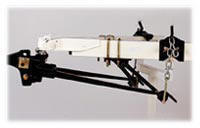
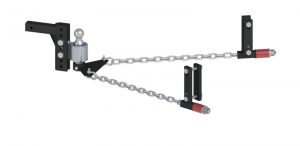
A weight distribution hitch uses spring bars to apply leverage between the truck and trailer. When your trailer tongue presses down on the rear of the truck, the rear suspension squats and the front axle can get lighter. That hurts steering feel, braking performance, and headlight aim. A properly adjusted weight distribution hitch brings some of that load back where it belongs.
This is why weight distribution is often the first fix for half-ton trucks, SUVs, and travel trailers with enough tongue weight to squat the rear. It does not remove tongue weight. It distributes it more evenly across the axles. That gives you a more level stance and usually a more controlled feel behind the wheel.
Sway control is different. Trailer sway happens when the trailer starts oscillating side to side behind the tow vehicle. Wind gusts, passing semis, poor loading, too little tongue weight, soft suspension, worn tires, and excessive speed can all trigger it. Sway control devices add resistance or geometry that helps stop that side-to-side movement before it builds.
Some systems use a friction bar. Others build sway resistance into the hitch head and spring bar design. Better integrated systems do a more serious job because they are designed to center the trailer and resist motion continuously, not just add drag.
Why people confuse them
The confusion comes from the fact that many modern weight distribution hitches include built-in sway control. So the owner installs one hitch and feels both improvements at once. The truck sits better, and the trailer tracks straighter. That leads people to assume weight distribution alone stopped the sway.
Sometimes it helped, but not always in the way they think. If the rear of the truck was badly sagged, restoring front axle weight can absolutely improve stability. But if the trailer is still loaded wrong or the hitch has no real sway control built in, the root cause may still be there.
That is why a trailer can be level and still sway. And it is also why a trailer can have sway control but still leave the truck squatting too much in the rear.
When you need weight distribution
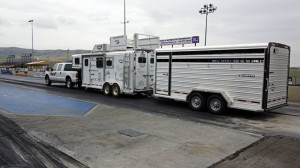
You usually need weight distribution when the trailer tongue weight is enough to push the rear of the tow vehicle down and unload the front axle. Travel trailers are the most common example. Many pickup owners towing campers, enclosed trailers, or horse trailers have seen this firsthand.
If steering feels light, braking seems less planted, or the headlights point too high after hookup, weight distribution is worth a hard look. Many truck and trailer manufacturers also require it above certain trailer weights or tongue weight thresholds. Those ratings are not suggestions.
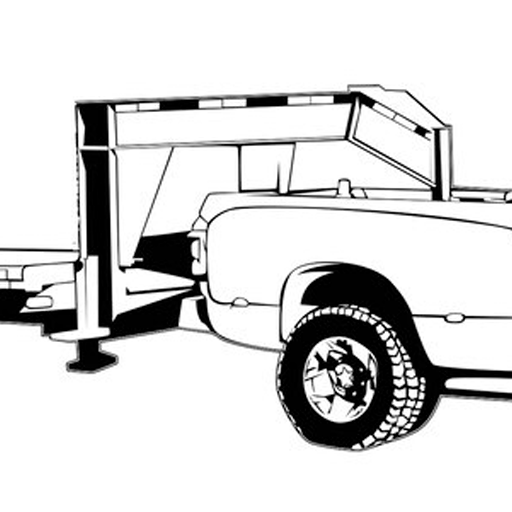
That said, not every trailer needs it. Some lighter utility trailers tow just fine without one. Some heavy-duty pickups towing certain trailer types may not benefit the same way a half-ton does. Gooseneck and fifth-wheel setups are a different conversation because their hitch position over or ahead of the axle changes the whole balance equation.
When you need sway control
You need sway control when the trailer has a tendency to move laterally and the hitch setup can benefit from added resistance or centering force. Travel trailers are the classic case because they have more side area exposed to wind and often ride behind lighter tow vehicles.
If you have ever white-knuckled it during a crosswind or felt the trailer get unsettled when a semi blows by, that is the problem sway control is meant to address. But here is the part many owners miss – sway control is not a bandage for poor loading.
If tongue weight is too low, no sway control system can fully make up for it. The same goes for worn suspension parts, underinflated tires, or towing beyond the limits of the truck. Good equipment helps, but it cannot rewrite physics.
The best setups usually use both
For many bumper-pull travel trailers, the right answer is not weight distribution or sway control. It is both. That is especially true when the trailer is long, has meaningful tongue weight, and spends time on interstates, in wind, or through mountain passes.
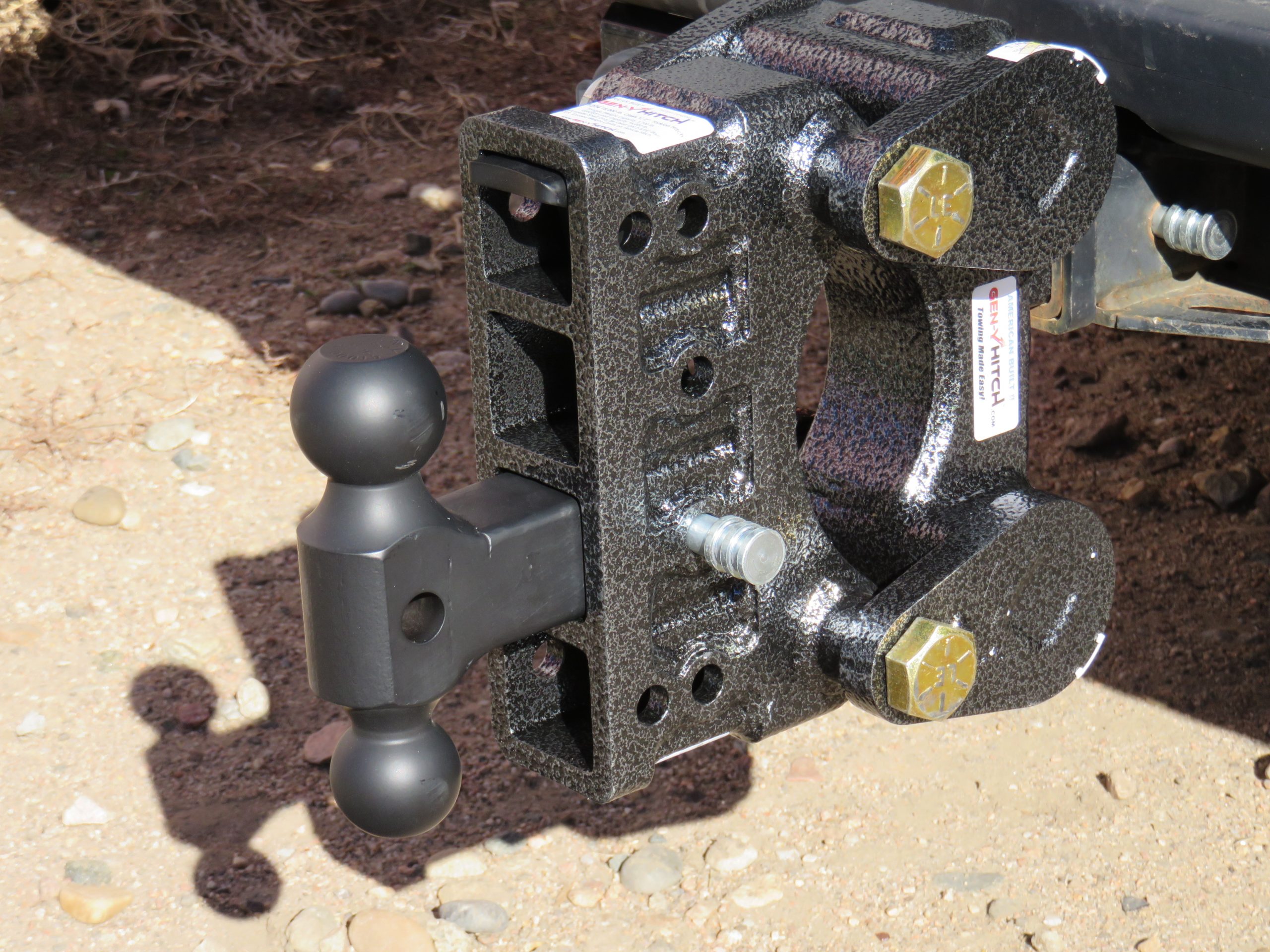
This is where integrated hitch systems earn their keep. A basic weight distribution hitch with a separate friction sway bar can work on lighter or shorter trailers, but it is not the first choice for a bigger RV or a trailer that already feels nervous. Better integrated systems are more predictable, quieter in many cases, and more effective when conditions get ugly.
There is also a difference between acceptable towing and relaxed towing. A cheap setup might get you down the road. A properly matched system makes the truck and trailer feel settled instead of busy. Anyone hauling family, horses, or expensive cargo knows that difference matters.
Weight distribution vs sway control in real towing conditions
On paper, the distinction sounds clean. On the road, the systems overlap in feel. A properly adjusted weight distribution hitch can reduce some instability simply because the truck regains front axle traction and suspension geometry. That can make the whole rig less twitchy.
But true sway events usually need actual sway control, not just load leveling. If the trailer starts steering the truck from the rear, leveling alone is not enough. The hitch needs a way to resist articulation or force the trailer back in line.
That is why setup matters as much as hardware. Too little tension in the spring bars, incorrect hitch height, wrong ball height, or poorly balanced cargo can leave a good hitch performing like a mediocre one. We have seen plenty of owners blame the hitch when the real problem was adjustment.
How to choose the right system
Start with the trailer’s loaded weight, not the empty brochure number. Then look at actual tongue weight. If you guess low, you will buy the wrong spring bars and end up with a poor result.
Next, be honest about your tow vehicle. A three-quarter-ton pickup has more built-in stability than a half-ton SUV. A short-wheelbase vehicle usually needs more help than a long-wheelbase truck. The trailer type matters too. A tall travel trailer in crosswinds asks more from sway control than a low-profile equipment trailer.
If your trailer is modest in size and your setup is already stable, a simpler system may be enough. If you are towing a longer camper, a horse trailer with changing live load, or anything that has made you nervous at speed, spend the money on a better integrated hitch. That is not overspending. That is buying margin.
Common mistakes that cause trouble
The most common mistake is using hitch equipment to cover for bad trailer loading. Too much cargo behind the trailer axles reduces tongue weight and invites sway. Another mistake is choosing spring bars that are too light or too heavy. Both hurt performance.
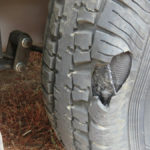
People also forget tires. Trailer tires and truck tires need proper inflation for the actual load. Soft tires make sway worse and muddy the steering feel. Worn shocks, weak rear suspension, and overloaded bed cargo can push a marginal setup into a bad one.
Finally, speed covers up nothing. A trailer that feels acceptable at 60 can become a handful at 72. The laws of towing are still the laws of towing.
If you want help matching the right hitch and towing gear to your truck and trailer, shop the proven towing setups at MrTruck’s store: https://Store.MrTruck.com . The right equipment, adjusted correctly, makes every mile easier and a whole lot safer.