


Ask this question at any ranch gate, RV park, or trailer lot and you’ll get strong opinions fast: what truck keeps its value the best? The short answer is usually Toyota Tacoma in the midsize class and Toyota Tundra or certain heavy-duty domestic pickups in the full-size world. But resale is not just about the badge on the grille. It comes down to how the truck is built, how it’s used, and whether the next buyer wants that exact setup.
If you tow, haul, or keep a truck for serious work, resale value matters more than a bragging point. A truck that holds value well lowers your real cost of ownership. It can also give you more trade-in power when it’s time to move up to a heavier tow rig, a diesel, or a better cab and bed combination.
What truck keeps its value the best in the real world?
For most buyers, the Toyota Tacoma has been the safest bet for pure resale strength. It has a long reputation for durability, strong demand, and a loyal used-truck market. Even older Tacomas with higher miles often bring surprising money if they are clean and stock.
In full-size pickups, the answer gets more complicated. The Toyota Tundra has also held value very well, especially among buyers who want a simpler gas-engine half-ton with a reliability-first reputation. But if you step into heavy-duty trucks, especially 3/4-ton and 1-ton models from Ford, Ram, and GM, resale can be extremely strong too. That is especially true when the truck has a desirable towing setup and a proven powertrain.
So if you want one overall answer, Tacoma is the cleanest resale winner. If you want the best truck for towing and long-term value retention in a work-focused segment, certain heavy-duty domestic trucks can be every bit as strong, and sometimes stronger, depending on market conditions.
Why some trucks hold value better than others
Truck resale is driven by demand, not just durability. A pickup can be a great truck and still lose value faster if it has the wrong engine, odd options, or weak demand in the used market.
The trucks that hold value best usually have four things going for them. First, they have a reputation for reliability. Second, they match what used buyers actually want, which usually means 4×4, crew cab or extended cab, and common bed lengths. Third, they avoid expensive problem areas that scare second owners. Fourth, they serve a real purpose, especially towing, hauling, off-road use, or daily work.
That last point matters. A used truck with a clear job description sells better than one with a confused build. Buyers understand a clean 4×4 crew cab with a factory tow package. They are less excited about a lifted half-ton with oversized tires, deleted emissions equipment, or a mix of aftermarket parts they did not choose.
The trucks that usually lead resale
The Toyota Tacoma earns its resale reputation honestly. Demand stays high because it appeals to commuters, outdoorsmen, younger buyers, and owners who want a smaller truck that still feels like a truck. Its downside is that it is not the answer for serious heavy towing. If you pull large campers, horse trailers, or equipment regularly, Tacoma resale strength won’t make up for buying too little truck.
The Toyota Tundra has long been a strong value holder because buyers trust it. It tends to attract owners who keep trucks a long time, and that helps its reputation in the used market. The trade-off is that some Tundra generations were less competitive on fuel economy, payload, or interior refinement than Detroit rivals. That can matter less on the used market than reliability and simplicity.
Among domestic brands, Ford Super Duty trucks often hold value very well, especially in diesel form and in trims that serious haulers want. A properly equipped F-250 or F-350 with a good towing reputation has a broad audience. Contractors want it. RV owners want it. Ranch owners want it. Strong demand supports strong resale.
Ram heavy-duty trucks can also do well, especially with Cummins power. That engine has a following of its own, and that helps values. But buyers also pay attention to transmission pairing, maintenance history, and whether the truck has been modified. A clean, unmolested Cummins truck is usually easier to sell than one that looks like it has spent years in a horsepower contest.
GM heavy-duty trucks, both Silverado HD and Sierra HD, also hold up well when configured right. The Duramax diesel and Allison reputation helped these trucks for years, and they remain popular with trailer owners who want a stable tow platform. Again, condition and configuration matter just as much as brand.
What hurts truck resale faster than owners expect
The biggest resale killer is buying the wrong configuration for the market. Regular cabs, two-wheel-drive setups in snowbelt states, oddball trim packages, short-option work trucks, or luxury trims with less useful payload can all narrow the buyer pool.
Gas versus diesel is another place where it depends. In half-ton trucks, gas engines usually make more sense and are easier to sell. In heavy-duty trucks used for real towing, diesel often helps resale because buyers want the torque, exhaust braking, and long-distance pulling confidence. But diesel does not automatically mean more profit. Higher repair costs and emissions concerns can offset some of that value if the truck is older or poorly maintained.
Mileage still matters, but maintenance history often matters more in the truck world. A higher-mile truck with documented service, a stock drivetrain, and a clean towing life can bring stronger money than a lower-mile truck with questionable modifications or neglect.
Rust is the silent destroyer. Surface rust may be manageable. Frame rust, brake line corrosion, rotten bedsides, and underbody neglect will drag value down fast. In many parts of the country, a clean southern or western truck brings a premium simply because buyers know what salt damage looks like.
Towing use does not always hurt value
A lot of buyers assume a truck used for towing is worth less. That is not always true. Abuse hurts value. Proper use does not.
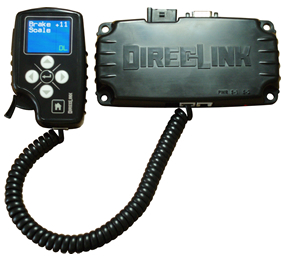
A truck set up correctly for towing can actually be more desirable. Factory tow package, integrated brake controller, larger mirrors, payload-friendly trim, and a stable suspension setup all make sense to the next buyer. What hurts is evidence the truck was overloaded, poorly maintained, or modified without a plan.
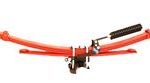
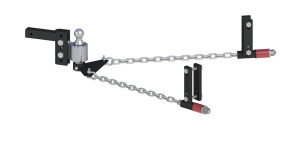
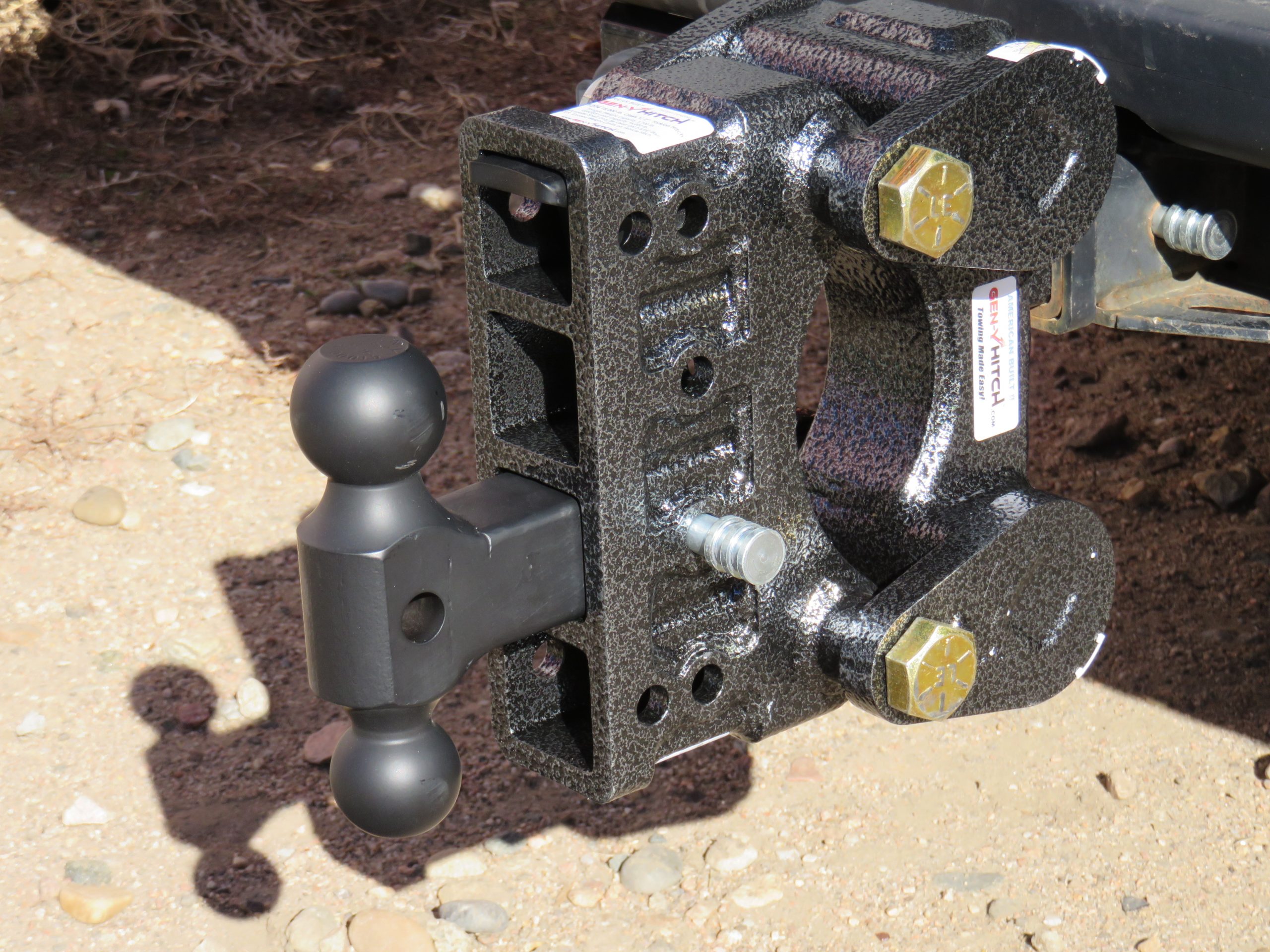
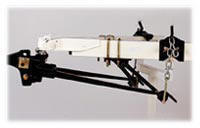
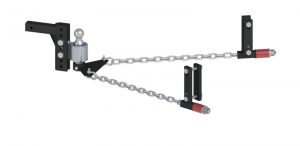
This is where experienced truck owners have an advantage. If you choose the right truck for the job from day one, maintain it properly, and avoid turning it into a science project, you protect your resale. A truck that tows within its ratings and wears quality hitch equipment is usually a better used buy than a truck that spent its life pretending to be a race build.
Best value-retention advice if you are buying now
If resale is a priority, buy for the second owner as much as for yourself. That means common colors, popular cab configurations, 4×4 if your region supports it, and factory options that matter for truck use rather than gimmicks.
For midsize trucks, that usually means a Tacoma with a clean history and a sensible trim. For half-tons, it means avoiding weird combinations and paying attention to payload, axle ratio, and tow package details. For heavy-duty trucks, it means buying enough truck the first time, especially if you tow near the upper end of a 1500 or 2500 series rating.
This is also where many buyers save a little up front and lose a lot later. They buy a half-ton because the payment looks better, then realize the trailer is too much truck for comfort, or they add suspension parts trying to compensate for a mismatch. The resale hit comes when the market sees a truck that was asked to do a heavier truck’s job.
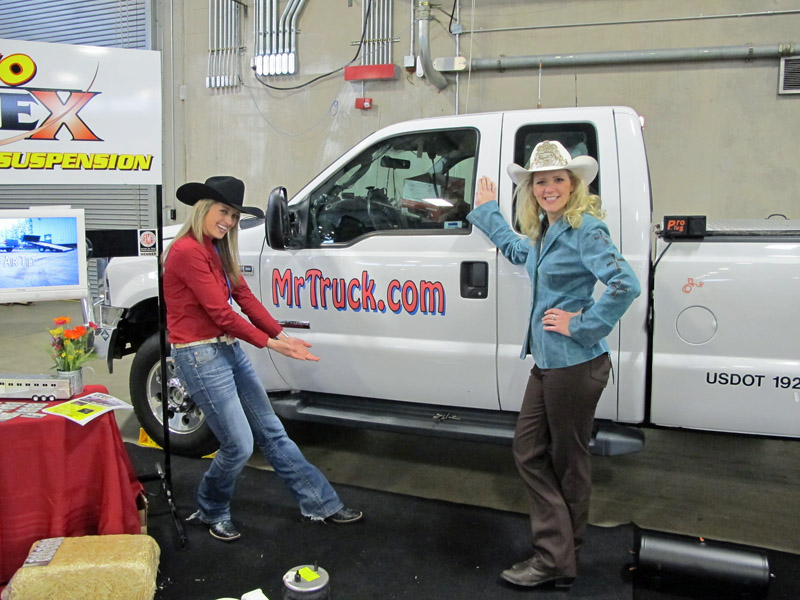
A smart buy is one that fits your trailer, your terrain, and your yearly mileage. At MrTruck, that has always been the practical line to draw. Match the truck to the real load, not the sales brochure fantasy.
What truck keeps its value the best for towing owners?
If your world revolves around trailers, the best resale choice is not always the same as the general-market winner. The Tacoma may lead broad resale conversations, but towing owners often do better with a truck that has lasting demand in the haul-and-trailer crowd.
For lighter trailers and general use, a well-equipped Tundra or other desirable half-ton can hold value well. For bigger RVs, horse trailers, and equipment haulers, heavy-duty domestic trucks deserve the spotlight. A clean Ford Super Duty diesel, a well-kept Ram Cummins, or a properly spec’d GM Duramax truck can retain value exceptionally well because the next owner is buying capability, not just transportation.
That is the key. Capability that stays useful keeps resale alive.
If you want the safest one-line answer, the Toyota Tacoma is still hard to beat. If you want the better answer for serious towing life, buy the truck that matches your load, keep it stock where it counts, maintain it like you plan to sell it to a neighbor, and don’t underestimate how much the right configuration affects the number on trade-in day.
The truck that keeps its value the best is usually the one that was smartly chosen before it was ever smartly sold.