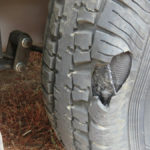

A trailer tire rarely gives you much warning before it becomes an expensive problem. One minute you are rolling steady, the next you are dealing with a shredded tire, damaged fender skirt, torn wiring, or worse. That is exactly why a tuson tire pressure monitor for trailers gets attention from serious haulers. It is built around one job – helping you know what your trailer tires are doing before a low tire turns into a roadside mess.
For trailer owners, that matters more than it does for many passenger vehicles. You usually cannot feel a trailer tire losing air the same way you notice a problem on the truck. By the time sway changes or the trailer starts dragging, the tire may already be ruined. A good TPMS gives you earlier notice, and Tuson has earned a solid reputation because it focuses on trailer-specific use instead of treating trailers like an afterthought.
Why the Tuson tire pressure monitor for trailers stands out
There are a lot of tire pressure monitoring systems on the market. Some are made for cars first and adapted to trailers later. Tuson went the other way. Its system is designed around trailer use, and that changes a few things that owners care about.
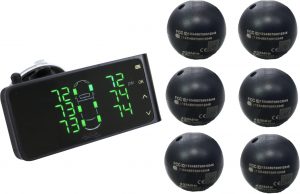
The first difference is the sensors. Rather than just screwing a cap sensor onto the valve stem and calling it done, Tuson uses internal sensors mounted inside the wheel. That means the sensor is protected from weather, impact, theft, and accidental damage. If you have ever looked at external sensors on a trailer that sees gravel roads, winter slush, livestock barns, or long RV runs, you can see the appeal right away.
The second difference is stability. Internal sensors tend to give a cleaner, more secure setup because they are not hanging off the valve stem. On a trailer, especially one that sees rough roads or long highway miles in summer heat, that matters. Less exposure usually means fewer headaches over time.
The third difference is trailer behavior. A trailer can track fine for miles while a tire is slowly getting into trouble. That is where temperature and pressure monitoring earn their keep. Pressure loss is the obvious issue, but heat can tell you a lot too. A rising temperature reading may point to an underinflated tire, overloaded wheel position, or even a wheel-end problem that deserves a closer look.
What it actually does on the road
A tuson tire pressure monitor for trailers continuously tracks each monitored tire and sends that information to the tow vehicle. If pressure drops too far or temperature climbs beyond a safe range, the system alerts you. That gives you time to pull off before the tire completely fails.
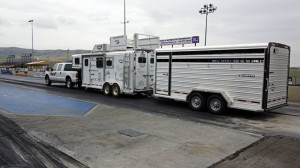
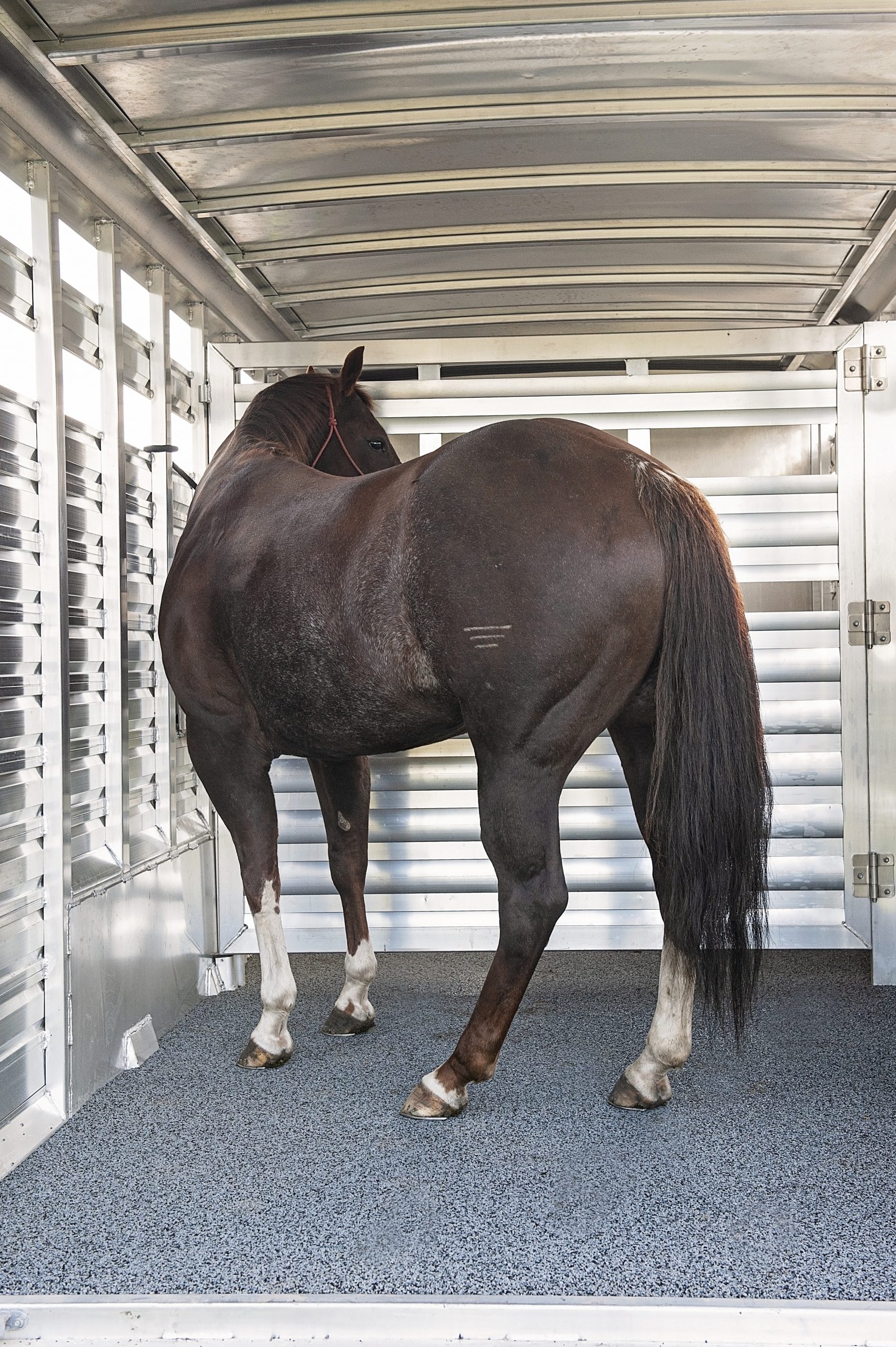
This sounds simple, but the real value is in timing. Catching a problem early can save a tire. Catching it late might save the wheel and trailer body. Missing it altogether can lead to body damage, brake wiring damage, floor damage, or an accident. Anyone who has seen a horse trailer or RV fender torn apart by a failed tire understands that the cost of no warning can be much higher than the cost of the monitor.
That is especially true for tandem and triple-axle trailers. With more tires on the ground, it is easier to miss one going soft. The trailer may still feel stable enough from the driver seat, especially with a heavy pickup doing the pulling. A monitoring system helps fill that gap.
Internal sensors have real advantages, but there is a trade-off
Tuson’s internal design is one of its best features, but it is not the quickest setup in the category. That is the honest trade-off.
External sensor systems are easier to install because you usually thread them onto the valve stems and pair the display. Tuson’s internal sensors require the tire to be broken down from the wheel for installation. That means more setup effort up front and often a tire shop visit unless you are already doing tire work.
For some owners, that extra work is worth it. Once installed, internal sensors are cleaner and better protected. For others, especially someone wanting a same-day do-it-yourself setup before a weekend trip, an external system may feel more convenient. It depends on how long you plan to keep the trailer, how much road time it sees, and how much you value a protected, OEM-style installation.
If you are outfitting a horse trailer, a high-mileage RV, an enclosed cargo trailer, or a gooseneck used regularly for work, the long-term benefit usually wins the argument. If the trailer is used twice a year for short local trips, the decision becomes less clear.
Where Tuson makes the most sense
Not every trailer owner needs the same level of monitoring, but there are certain uses where this type of system makes a lot of sense.
RV owners are an obvious fit because long distances, hot pavement, and heavy loads create ideal conditions for tire trouble. Horse trailer owners are another strong match because tire failure is not just a mechanical problem – it is a safety problem for live cargo. Equipment haulers, ranch operators, and anyone pulling heavier tandem or triple-axle trailers also benefit because downtime on the side of the road is costly and often dangerous.
It also makes sense for owners who have already had one trailer tire failure. After you have replaced sheet metal, wiring, brake parts, or trim because of a blowout, tire monitoring stops looking optional.
What to think about before buying
Tire and wheel service matters
Because Tuson uses internal sensors, installation should be done carefully. If your trailer is already due for new tires, wheel service, or valve stem replacement, that is the smart time to add the system. Combining the work keeps labor more efficient and avoids paying to dismount tires twice.
Trailer type changes the value
A small utility trailer used locally is one thing. A fifth-wheel RV crossing states in July is another. The more speed, heat, weight, and mileage involved, the more sense tire monitoring makes. This is one of those products where usage patterns really matter.
Alerts are not a substitute for maintenance
A TPMS helps you catch problems, but it does not replace proper inflation checks, load management, tire age inspection, or bearing service. If a tire is overloaded, weather-cracked, or too old, a monitor may warn you late in the process rather than prevent the issue altogether. The best results come when the system backs up good maintenance habits.
The real safety benefit most owners overlook
Most people think of a tire monitor as protection against flats. That is true, but the bigger benefit is decision-making.
Without a monitor, you are guessing. You may stop because something feels off, or you may keep going because everything seems normal from the cab. With monitored pressure and temperature, you have actual information. That helps you decide whether to pull over now, slow down and watch it, or inspect a specific wheel when you stop.
That is especially valuable at night, in bad weather, or on long interstate runs where trailer problems can escalate fast. Information buys time, and time is often what prevents damage.
Is a Tuson tire pressure monitor for trailers worth it?
For many serious trailer owners, yes. Not because it is flashy, but because it addresses a problem that causes real damage. Tuson’s trailer-focused design and internal sensor approach make it a strong choice for owners who tow regularly and want a more protected, permanent setup.
The main drawback is installation effort. If you want the fastest possible install, this is not the easiest route. But if you care more about long-term reliability, cleaner sensor protection, and a system built with trailers in mind, Tuson is easy to take seriously.
That is how experienced haulers usually look at it anyway. The question is not whether a monitor is exciting. The question is what one avoided blowout, one saved roadside delay, or one protected trailer sidewall is worth to you.
If you want proven towing gear and real-world advice from people who know trailers, visit our store at https://Store.MrTruck.com.
The best trailer safety equipment is the kind that helps you catch trouble before the shoulder does.