

If you have ever hooked up a travel trailer, driven a few miles, and felt the steering go light while the trailer started talking back in crosswinds, you already know why the Andersen weight distributing hitch gets so much attention. It is not built like the old-school bar-and-bracket systems most truck owners grew up with, and that is exactly why some people love it while others are not sure what to make of it.
What makes the Andersen weight distributing hitch different
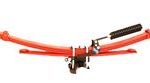
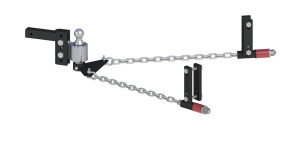
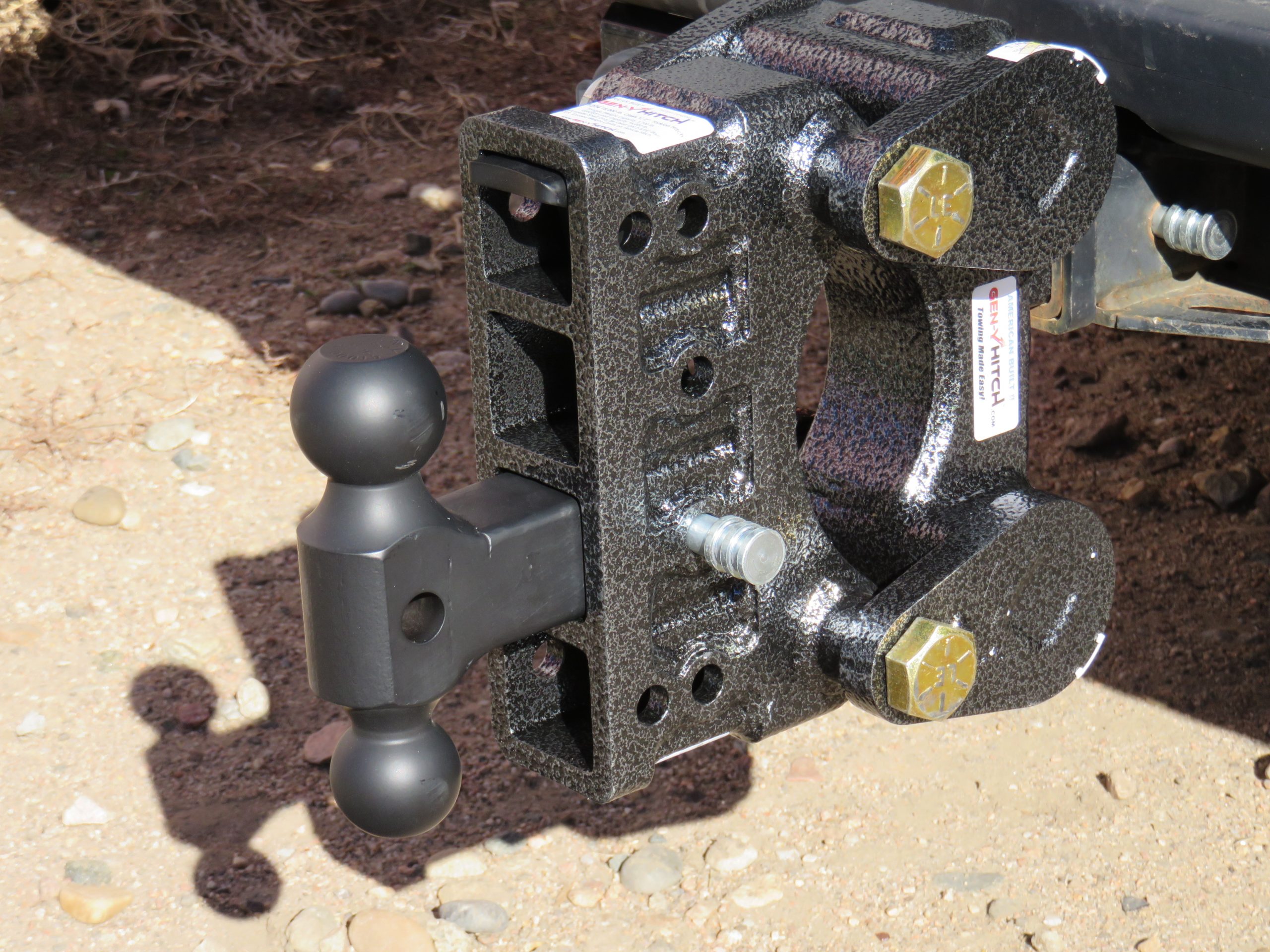
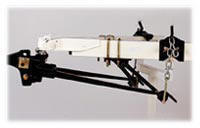
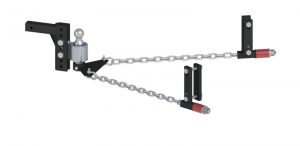
Most weight distribution hitches use steel spring bars to shift load back onto the front axle of the tow vehicle and apply sway control through friction points or cam-style geometry. The Andersen weight distributing hitch takes a different path. It uses chains, cone-style friction components, and a lighter overall assembly to handle both weight distribution and sway control.
That design changes the whole towing experience. It is quieter than many traditional hitches, lighter to handle during hookup, and less intimidating for owners who do not want a heavy head and long spring bars to wrestle with every trip. For many half-ton truck owners and SUV users towing moderate-size travel trailers, that simplicity is a real selling point.
But different does not automatically mean better for every trailer. This is one of those products where your trailer size, tongue weight, tow vehicle wheelbase, and how often you tow in wind all matter.
How the Andersen weight distributing hitch works on the road
The main job of any weight distribution hitch is to restore front axle weight after the trailer is coupled. Without that correction, the rear of the truck squats, the front gets light, braking balance changes, and steering confidence drops. The Andersen system still addresses that issue, but it does it with tensioned chains instead of the familiar rigid spring-bar leverage most people expect.
On the road, the biggest thing many drivers notice is the feel. The Andersen weight distributing hitch tends to deliver a smoother, less harsh connection than some stiffer traditional systems. If you tow a smaller or mid-size travel trailer and spend a lot of time on uneven pavement, that can make the combination feel less choppy.
Sway control is where opinions get more divided. For moderate trailers with proper tongue weight and a well-matched tow vehicle, the Andersen can do a solid job keeping things settled. It is especially appealing to owners who want sway control without the noise and binding that can come with some friction-heavy systems.
Where it gets more complicated is with longer trailers, marginal tongue weight, soft rear suspensions, or windy routes. In those cases, some drivers prefer a more aggressive sway-control design. The Andersen works best when the whole towing setup is already basically sound. It helps a good match tow better. It is not the hitch you buy to rescue a poor match.
Setup matters more than marketing
A lot of complaints about weight distribution hitches, not just Andersen, come down to setup. If the ball height is wrong, the coupler angle is off, the chain tension is uneven, or the trailer tongue weight is not where it should be, you are not really judging the hitch. You are judging a bad install.
The Andersen weight distributing hitch is often described as easier to install than bulkier spring-bar systems, and in many cases that is true. The lighter parts are easier to handle, and there is less of the brute-force feel that scares off first-time trailer owners. Even so, you still need to measure fender heights, check front axle restoration, and confirm that the trailer is riding level.
This is not a put-it-on-and-guess product. If you tow enough to care about safety, you need a proper setup the first time.
Common setup mistakes
One mistake is assuming the hitch will fix rear sag caused by an overloaded truck. Weight distribution can help balance load, but it does not increase your payload rating. Another is underestimating actual tongue weight. Many trailer owners guess low, especially after adding batteries, propane, water, or gear up front.
A third mistake is expecting sway control to cover up bad loading. If the trailer is tail-heavy or the tongue weight is too light, no hitch will make that a smart combination.
Who should consider an Andersen hitch
The Andersen weight distributing hitch makes the most sense for owners who want a lighter, cleaner, quieter system and are towing within a reasonable range for their truck and trailer. It fits the buyer who values ease of use but still wants real weight distribution and sway control.
That can include half-ton pickups towing travel trailers, full-size SUVs towing family campers, and owners who do not want to deal with heavy spring bars every weekend. It is also appealing for people who are physically tired of handling a more cumbersome hitch head and bar setup.
If your trailer is moderate in length, loaded correctly, and matched to a capable tow vehicle, the Andersen can be a very practical choice.
When a traditional hitch may be better
There is no trophy for buying the most unconventional hitch if your trailer really needs something stronger. If you are towing a long camper through high plains wind, carrying borderline tongue weight, or trying to calm a setup that already feels loose, a more conventional weight distribution hitch with stronger built-in sway control may be the better answer.
That does not mean the Andersen is weak. It means towing is application-specific. Some systems shine because they are light and simple. Others shine because they apply more authority to heavier or more challenging trailers.
This is where honest buying advice matters. The best hitch is not the one with the most clever design. It is the one that matches the trailer, the truck, and the kind of roads you actually travel.
Ride quality versus control
This is the trade-off many owners are really deciding on, whether they say it that way or not. The Andersen weight distributing hitch often wins points for ride comfort, lower noise, and easier handling in the driveway. A heavier spring-bar system often wins points for a more planted feel with larger trailers.
If your towing is mostly fair-weather camping with a properly loaded trailer, the Andersen can feel like a smart upgrade. If your towing includes mountain wind, long trailers, and frequent heavy loads, you may lean toward a more traditional setup.
Day-to-day ownership
One reason this hitch keeps a loyal following is that people live with it more easily. It is lighter to store, easier to hook up, and generally less annoying in routine use. That matters more than some buyers admit. A hitch that performs well but is a hassle every trip tends to wear out its welcome.
Owners also like that it avoids some of the racket associated with older-style bar systems. Less noise does not make a hitch safer by itself, but it does make the whole towing experience less irritating.
Maintenance and inspection still matter. You want to keep an eye on wear points, hardware torque, and any change in towing behavior. If a trailer starts moving differently, that is your cue to inspect the setup, not just keep driving.
Is the Andersen weight distributing hitch worth it?
For the right trailer and tow vehicle, yes. The Andersen weight distributing hitch is worth serious consideration if you want a lighter, easier-to-manage system that still improves balance and adds sway control. It is a smart fit for many mainstream RV and trailer owners, especially those who are tired of wrestling with heavy hardware.
But this is not a universal answer for every towing problem. If your trailer is long, your setup is already at the edge, or you need maximum sway authority, you should compare it against stronger conventional designs before buying. Towing safety is not the place to shop by novelty.
The real question is not whether the Andersen design is good. It is whether it is good for your trailer. That is the kind of distinction experienced towers pay attention to, because the right hitch feels calm and predictable from the first mile.
If you want help matching the right towing equipment to your truck and trailer, visit our store at https://Store.MrTruck.com. Getting the right hitch the first time is cheaper than buying twice, and a lot safer than guessing on the highway.