
A cheap coupler lock looks fine right up until your trailer is gone. That is the real problem with shopping for the best trailer hitch lock – most buyers are comparing price and shiny finishes when they should be looking at fit, steel strength, lock design, and how the trailer actually gets stolen.
If you haul a boat, RV, utility trailer, equipment trailer https://mrtrailer.com/trailer-locks, security is not a side issue. A trailer can disappear in minutes from a driveway, motel parking lot, fairground, jobsite, or fuel stop. The best lock is not the one with the flashiest packaging. It is the one that matches your coupler style, leaves little room for attack, and holds up in weather after months of real use.
What makes the best trailer hitch lock?
A good trailer hitch lock does two jobs at once. First, it blocks hookup so another tow vehicle cannot simply drop onto your coupler and drive away. Second, it resists the most common theft methods, which usually means quick attacks with pry bars, bolt cutters, hammers, and sloppy fit that leaves too much room to work.
That is why material and design matter more than gimmicks. Hardened steel beats light stamped metal. Close tolerances beat universal fit if the universal model leaves gaps. A quality lock core matters because weather, road grime, and rust can ruin a decent design if the cylinder quits turning after one winter.
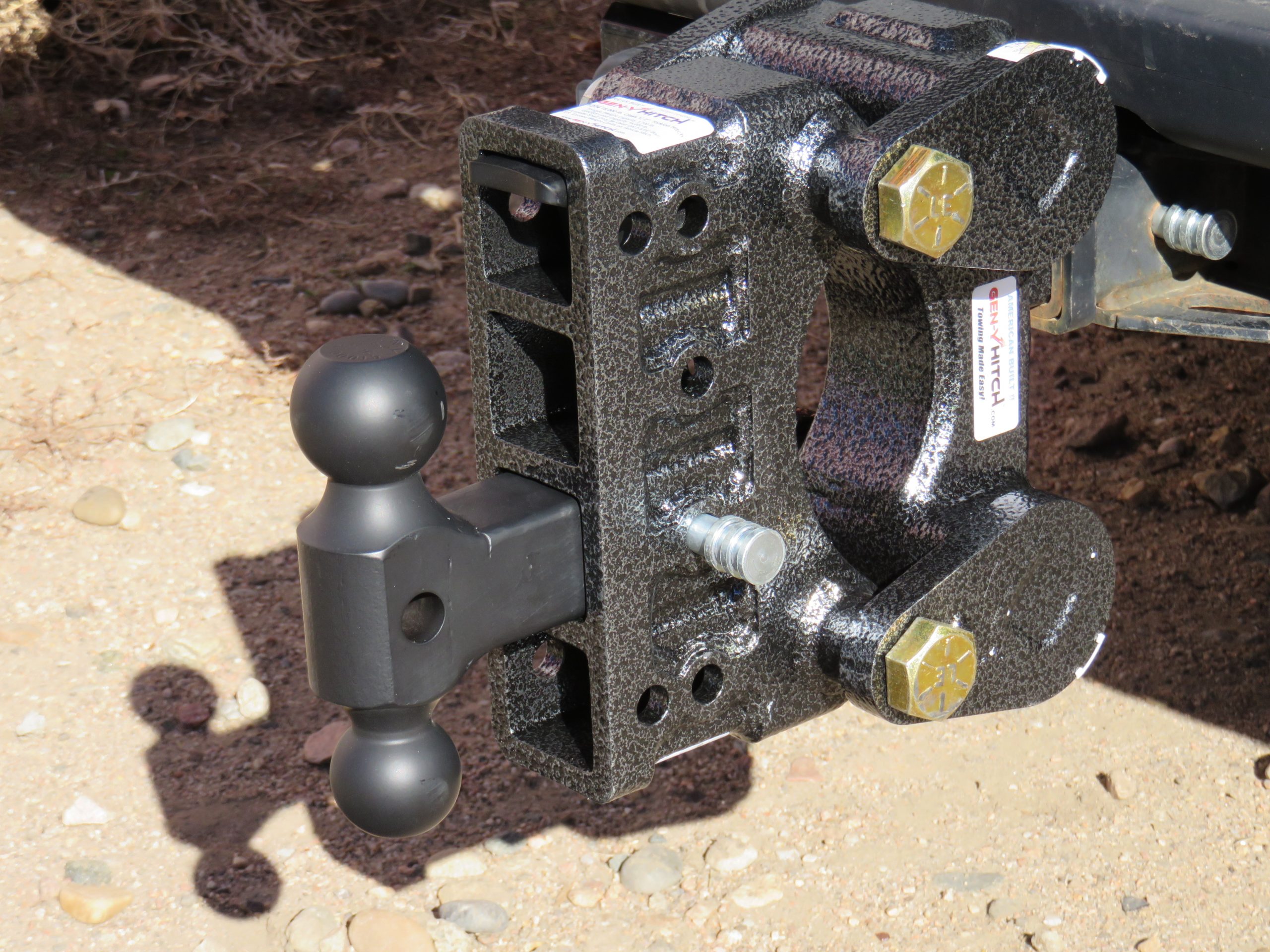
A lot of trailer owners also confuse hitch pin locks with coupler locks. A hitch pin lock secures the ball mount or accessory to the receiver on the truck. It helps protect your draw bar, bike rack, or hitch accessory, but it does not secure a parked trailer by itself. If you want real trailer theft protection, start at the coupler.
The main types of trailer hitch locks
The best trailer hitch lock for one owner may be wrong for another because trailer couplers vary a lot. A light utility trailer with a 2-inch ball coupler has different needs than a heavy horse trailer or enclosed cargo trailer.
Coupler latch locks
https://mrtrailer.com/trailer-locks These are the small pin-style locks that slide through the coupler latch mechanism to keep the latch from opening. They are better than nothing, but by themselves they are not usually the strongest choice for unattended storage. Their biggest weakness is exposure. Some are easy to cut or pry if the rest of the coupler still leaves room to manipulate.
That said, a good coupler latch lock can make sense for short stops, especially if it is made from hardened steel and sized correctly. It is also a useful second layer when paired with a stronger coupler lock.
Full coupler locks
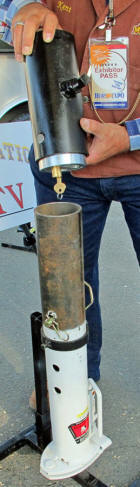
This is where serious trailer security starts. Full coupler locks cover or fill the coupler opening so a hitch ball cannot be inserted. The better ones fit tightly and use thick steel construction. Some use a ball-shaped insert that sits in the coupler while the outer body locks over it. Others wrap the coupler more completely.
For most parked trailers, this style is the better answer. It is more visible, harder to bypass quickly, and more frustrating for a thief who wants an easy target.
Receiver hitch pin locks
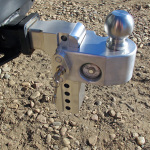
These belong on the tow vehicle, not as your only trailer security. They keep your ball mount, weight distribution shank, or accessory from being pulled out of the truck’s receiver. If you leave an expensive adjustable ball mount in the receiver, this matters.
They are worth having, but they do a different job. Too many owners buy a receiver pin lock and think they have covered trailer theft. They have not.
Best trailer hitch lock features to look for
The first thing to check is fit. If a lock is too loose, it gives a thief room to twist, hammer, or pry. Universal designs can be useful, especially if you run multiple trailers, but some universal locks fit too many couplers too loosely. A model built for your coupler size often gives better security.
Next comes steel thickness and construction. Cast or forged bodies with hardened steel components usually outperform thin formed metal. Weight alone is not proof of quality, but very light locks rarely inspire confidence on a heavier trailer.
Lock cylinder quality matters more than many buyers realize. Water intrusion, dust, salt, and winter grime can seize a poor lock fast. A weather cap is a plus. A tube-style or well-shielded cylinder can be better than a basic exposed mechanism, provided the overall design is strong.
Finally, think about visibility and daily use. A lock you hate using tends to get skipped. If you are hooking up and unhooking often, choose one you can install quickly without kneeling in the dirt for five minutes. Security that gets left in the toolbox is no security at all.
Which lock style is best for your trailer?
For a small utility trailer or light boat trailer, a quality full coupler lock is usually the smart buy. These trailers are common theft targets because they are easy to move and often parked outside. A simple latch pin lock alone is usually not enough.
For enclosed cargo trailers, car haulers, and contractor trailers, go heavier. These trailers attract thieves because they may contain tools, equipment, or other valuables. A close-fitting full coupler lock is the minimum starting point, and adding wheel or tongue security can make sense if the trailer sits for long periods.
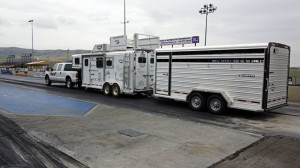
For horse trailers and larger RV trailers, the same logic applies, but fit becomes even more important. Many owners of premium trailers spend serious money on tack, gear, and trailer upgrades, then trust a bargain lock. That is backwards. A heavier-duty coupler lock with strong weather resistance is worth it, especially if the trailer sits at event grounds, fairgrounds, campgrounds, or storage lots.
Where buyers get it wrong
The most common mistake is buying by appearance. Powder coating is nice, bright color helps with visibility, and a polished finish may resist corrosion, but none of that matters if the lock can be defeated quickly.
The second mistake is relying on one weak point. If the coupler lock is strong but the safety chains are easy to use for dragging, or the trailer can be repositioned easily and attacked later, your real-world security drops. Theft prevention works better in layers.
The third mistake is ignoring convenience. A lock that is hard to install on a low tongue jack, hard to open with gloves, or prone to freezing in winter will eventually be skipped on a rushed morning.
How to choose the best trailer hitch lock without wasting money
Start with your coupler type and ball size. Measure it. Do not guess. Then decide where the trailer spends most of its time. A trailer parked inside a locked shop has different needs than one left outside at a trailhead, ranch, motel, or campground.
If the trailer is high value or frequently unattended, buy up a class. This is not the place to shave twenty bucks. A stronger full coupler lock is usually the best value because it protects the entire trailer, not just the hardware on the truck.
Also think about environment. If you deal with road salt, coastal air, mud, or long periods of outdoor storage, corrosion resistance is not a luxury. It is part of whether the lock will still work when you need it.
A practical security setup that makes sense
For most owners, the best trailer hitch lock setup is a quality full coupler lock on the trailer and a separate receiver hitch pin lock on the truck. That protects both sides of the towing equation.
If the trailer is stored outside for long periods, adding a wheel lock or parking it where another vehicle blocks access can help. No lock is perfect. What you want is enough delay and frustration that the thief moves on to an easier trailer.
That is the right way to think about trailer security. You are not trying to build a bank vault. You are trying to make your trailer a bad target.
The best trailer hitch lock is the one that fits tight and gets used
There is no single lock that wins for every trailer and every owner. But there is a clear pattern. The best trailer hitch lock is usually a heavy-duty full coupler lock with tight fit, solid steel construction, weather-resistant lock components, and day-to-day usability that keeps you from skipping it.
If you tow occasionally, that still matters. If you tow expensive equipment, livestock, or a trailer packed for a trip, it matters even more. A lock is cheap compared to replacing a trailer, dealing with insurance, and losing what was inside.
If you want proven towing and trailer security gear, visit [our store] at https://Store.MrTruck.com and get equipment chosen for owners who actually tow. A good lock will not make your trailer theft-proof, but it can make a thief pick somebody else’s trailer instead.