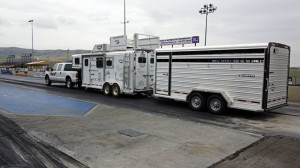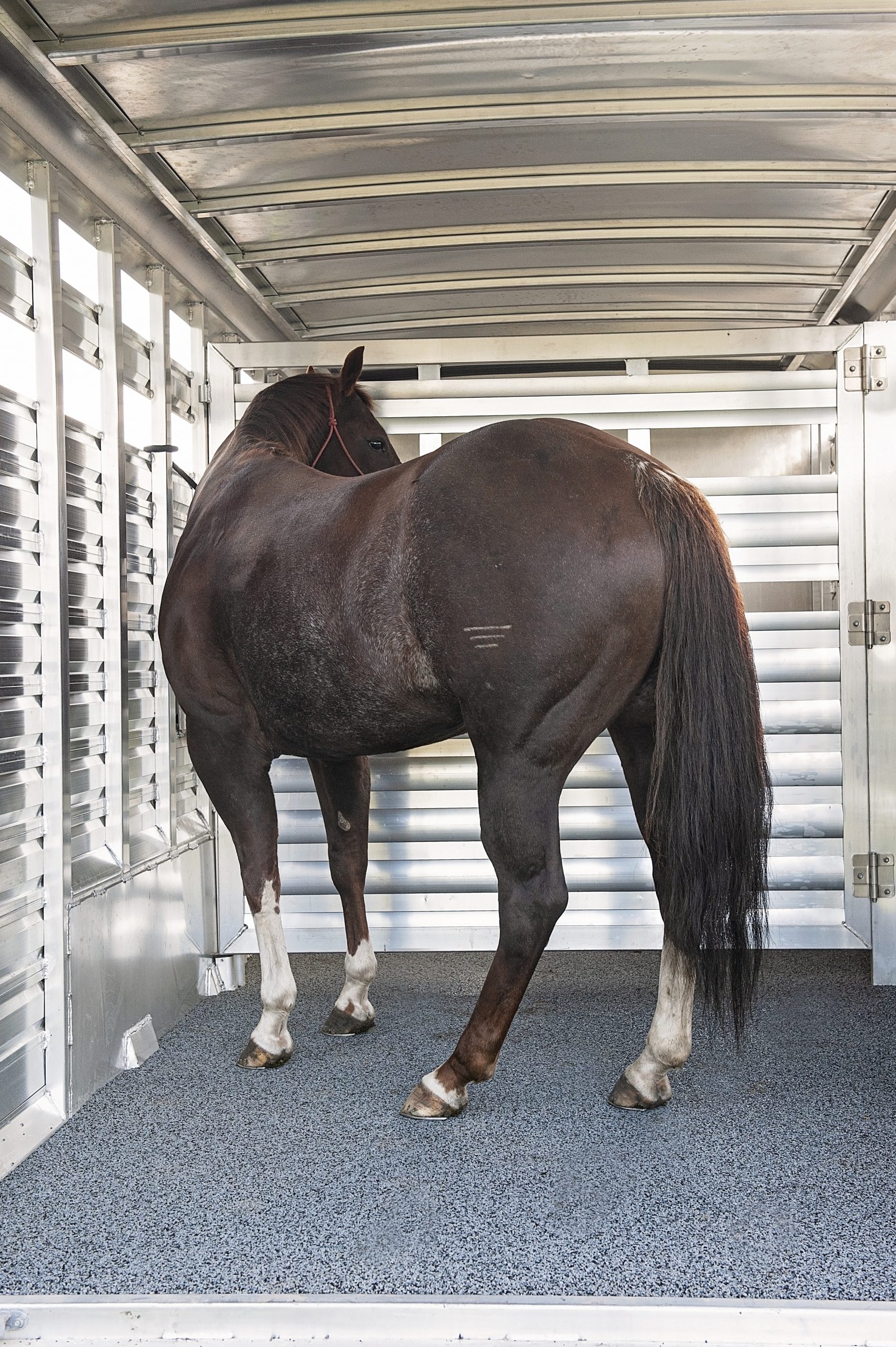



A trailer can disappear behind the cab faster than most drivers expect. That blind area gets worse with an enclosed RV trailer, a wide horse trailer, or a flatbed carrying equipment. Good towing mirrors for pickups are not a cosmetic upgrade. They let you see the trailer’s sides, track tires near the rear axles, watch vehicles coming up behind you, and make lane changes without guessing.
We have seen plenty of owners spend serious money on a hitch, brake controller, tires, and suspension upgrades, then tow with factory mirrors that barely clear the trailer body. That is backwards. Your mirrors are part of the safety equipment you use every mile, especially in crosswinds, traffic, fuel stops, and tight campgrounds.
What pickup towing mirrors must do
The first job is simple: give you a usable view past the widest point of the trailer. A properly adjusted mirror should show a thin strip of the truck or trailer along its inside edge, with the remaining glass aimed down the trailer’s side and into the adjacent lane. If all you can see is the front half of the trailer, the mirror is too narrow for the load.
The second job is to hold that view at highway speed. Cheap add-on mirrors may look adequate in the driveway but shake enough at 65 mph to make vehicles, lane lines, and tires hard to identify. Vibration is more than an annoyance. It delays the split-second decisions that matter when a car is passing on the right or a trailer tire begins coming apart.
A good mirror also needs to work with the truck you own. Modern pickups may have power adjustment, heated glass, turn signals, puddle lamps, blind-spot monitoring, power folding, cameras, and memory functions built into the factory mirror. Replacing a feature-loaded mirror with a bare-bones towing model can create new frustrations. The best setup balances a wider view with the features you will actually use.
Factory-style mirrors versus slip-on extensions
For regular trailer owners, factory-style replacement mirrors are usually the right answer. These are built for a specific truck generation and replace the original mirror assemblies. The better models extend outward when towing, then slide or fold back closer to the doors when the trailer is unhooked. They look right on the truck, generally stay steadier than universal options, and provide a larger main mirror plus a convex section for the blind spot.
They are especially worthwhile if you tow a travel trailer, fifth-wheel, stock trailer, or equipment trailer several times a month. The upfront cost and installation effort make sense because you are not putting them on and taking them off before every trip.
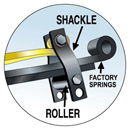
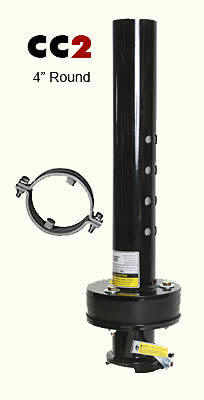
Slip-on or clamp-on mirror extensions have their place. For the owner who pulls a small boat twice a year or needs a little more width for one occasional trip, a vehicle-specific extension can be a sensible lower-cost choice. Choose one that grips the factory housing securely and does not block the original mirror’s adjustment range. Universal strap-on designs are the last resort. Some work acceptably on short trips, but fit, wind noise, paint contact, and vibration vary widely.
Do not assume a long extension is automatically better. A mirror that extends too far can be hard to judge in traffic, more vulnerable in parking lots, and more likely to snag brush around a ranch, jobsite, or campground. Buy enough width to see past the trailer, not the widest mirror available.
Manual, power, and feature retention
Manual telescoping mirrors are dependable and often less expensive. Once set, they do their job with little to go wrong. They are a fine choice for a work truck or an older pickup where simplicity matters more than convenience.
Power-adjustment and power-telescoping mirrors are convenient on a truck that alternates between daily driving and towing. They also help when different family members drive the truck. Still, more electronics mean more connections, more compatibility questions, and a higher replacement cost if the mirror is damaged.
Before ordering, verify every factory feature. Confirm the truck’s model year, trim, door connector, heated-glass wiring, signal lamps, camera provisions, and blind-spot monitoring. A mirror may physically bolt on while leaving a warning light on the dash or disabling a useful function. This is one place where part-number accuracy matters more than a product photo.
Width, glass shape, and the view you need
The mirror head matters as much as the extension arm. Large flat glass gives the clearest rearward image and is useful for watching the trailer’s side. A separate convex mirror widens the field of view so you can spot vehicles that are entering your blind area. It also helps when backing into a campsite or lining up with a loading ramp.
Convex glass makes objects look smaller and farther away, so do not rely on it alone to judge closing distance. Use it as a detection tool, then confirm position with the main mirror before changing lanes. That combination is why a split-glass towing mirror is often better than a single oversized flat mirror.
For a wide RV or horse trailer, you should be able to see the trailer’s rear corner in the main mirror or the convex section without leaning toward the window. For a flatbed or utility trailer, you may need less extension, but you still want to see the wheels and the load’s outer edge. Loose straps, shifting cargo, and a smoking hub are easier to catch when the mirror view is set up correctly.
Installation mistakes that create trouble later
Replacement mirrors are usually a manageable driveway job, but take your time. The door panel must often come off to reach the mounting nuts and wiring connector. Use trim tools instead of a screwdriver wherever possible, and keep track of clips, screws, and vapor barriers. A loose door panel or broken clip can turn a one-hour job into an irritating rattle for years.
Before reinstalling the panel, test everything. Check adjustment in every direction, heat if equipped, turn signals, puddle lamps, cameras, folding functions, and blind-spot alerts. If the mirror has a telescoping mechanism, extend and retract both sides several times. It is much easier to correct a connector problem before the door is put back together.
When installing slip-on extensions, clean both the original mirror housing and the contact points on the extension. Follow the manufacturer’s instructions on pads, straps, or clips. After the first 20 or 30 miles, stop and check that nothing has shifted. Recheck after driving in rain, high winds, or rough roads.
Adjust towing mirrors before every trip
Even excellent mirrors do little good if they are aimed like daily-driver mirrors. Start with the truck straight and trailer connected on level ground. Adjust the main glass so you see just a narrow reference strip of the truck or trailer at the inside edge. Move the view outward until it covers the lane beside the trailer and extends toward its rear.
Then angle the convex glass lower and wider. It should help you see the trailer wheels, curb line, and the area where a passing vehicle disappears from the main mirror. On a long fifth-wheel or gooseneck, a quick mirror scan can reveal a soft tire, a flapping awning strap, an open compartment door, or a problem with the load before it becomes expensive.
Use your mirrors constantly, not only when changing lanes. Experienced haulers develop a steady scan: road ahead, left mirror, road ahead, right mirror, gauges, then repeat. Add a tire pressure monitoring system and rear camera if your trailer setup supports them, but do not treat electronics as replacements for clear, stable mirrors.
Buy for your trailer, not the catalog photo
The right towing mirror depends on how often you haul, how wide the trailer is, and which factory features your truck carries. A clean factory-style telescoping mirror is the best long-term choice for most frequent haulers. A well-fitted slip-on extension can serve the occasional tower. Either way, avoid bargain mirrors that vibrate, fit loosely, or sacrifice critical truck functions just to save a few dollars.
A clear look down both sides of the trailer makes every merge, backing maneuver, and fuel-stop exit less stressful. For proven towing equipment selected for real hauling conditions, visit the MrTruck store.