
Hook up a loaded camper, horse trailer, or equipment trailer without a trailer brake controller, and you feel the problem fast. The truck does all the work, stopping distances grow, and the whole combination feels less settled when traffic tightens up or a downhill grade shows up. For anyone towing serious weight, this is not an accessory you buy on a whim. It is a safety system.
A good controller does one job that matters more than most owners realize – it makes the trailer help stop itself in a controlled, predictable way. Done right, braking feels balanced. Done wrong, the trailer can lag behind, grab too hard, or add stress every time you touch the pedal. That is why picking the right unit matters just as much as installing it correctly.
What a trailer brake controller actually does
If your trailer has electric brakes or electric-over-hydraulic brakes, the controller meters power from the truck to the trailer brake system. When you slow down, it tells the trailer how much braking force to apply. The goal is not maximum braking every time. The goal is proportional braking that matches the truck’s deceleration and the trailer’s weight.
That sounds simple, but the quality of that control changes the towing experience. A light utility trailer with one axle has different needs than a loaded fifth wheel, a horse trailer with live cargo, or a car hauler carrying a heavier, shifting load. The more demanding the trailer, the more you notice the difference between a decent controller and a great one.
Time-delay vs proportional trailer brake controller
This is the first fork in the road, and for most truck owners, proportional wins.
A time-delay controller sends braking power based on a preset ramp. Hit the brake pedal, and the controller starts increasing output over a set period of time. These units are usually cheaper, and they can work fine for occasional, lighter towing. But they do not react to actual deceleration. In the real world, that can mean braking that feels a little behind the truck when you need quick response, or a little too aggressive when you are making gentle stops.
A proportional trailer brake controller senses how hard the tow vehicle is slowing and applies trailer brakes to match. This is the better choice for regular towing, heavier trailers, mountain driving, RV use, and horse trailers. It feels more natural, reduces jerking, and usually gives you more confidence in stop-and-go traffic and on grades.
If you tow once or twice a year with a small trailer, a time-delay unit may do the job. If you tow often, tow heavy, or carry people, animals, or valuable cargo, proportional is the smarter buy.
Why factory tow packages do not always settle the question
A lot of newer pickups are pre-wired for a trailer brake controller, and many late-model trucks offer an integrated factory controller. When the factory unit is available and known to work well with your truck’s brake and tow systems, it can be an excellent option. The fit is clean, the controls look original, and communication with the truck can be better than with some aftermarket units.
Still, factory is not automatically best for every owner. Some trucks were pre-wired but did not come with the controller installed. Some integrated units are excellent, while others leave owners wanting more adjustability or better response with certain trailers. And if you switch trucks, an aftermarket unit may be easier to move over.
The right answer depends on your vehicle, trailer type, and how much control you want from the driver’s seat.
Features that matter when buying a trailer brake controller
Brake controllers get marketed with a lot of small features, but only a few really affect day-to-day towing.
The first is smooth proportional response. That is what separates a controller that feels predictable from one that makes every stop a negotiation. The second is easy gain adjustment. Different trailers, cargo weights, and road conditions may require changes, so you want controls that are simple to use, not buried in a menu you will avoid.
A manual override lever is also important. If trailer sway starts, manual activation of the trailer brakes can help settle the trailer without stabbing the truck brakes. It is not a cure for bad loading or poor hitch setup, but it is a useful tool.
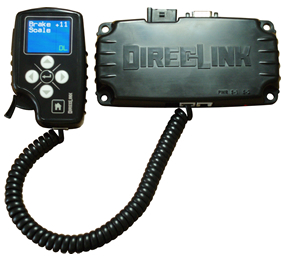
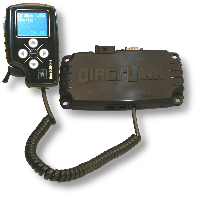
Display quality matters more than people think. You want to glance down and understand output level, connection status, and fault messages without taking your eyes off the road for long. Compact size matters too, especially in trucks where knee room and lower dash space are already tight.
If you run electric-over-hydraulic brakes, make sure the controller specifically supports them. Not every unit does. That detail gets missed more often than it should.
Matching the controller to the trailer
This is where a lot of buyers oversimplify things. They shop by price or by a quick review, but the better question is how the trailer behaves behind the truck.
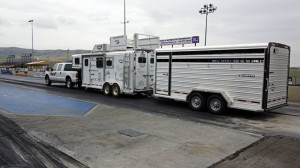
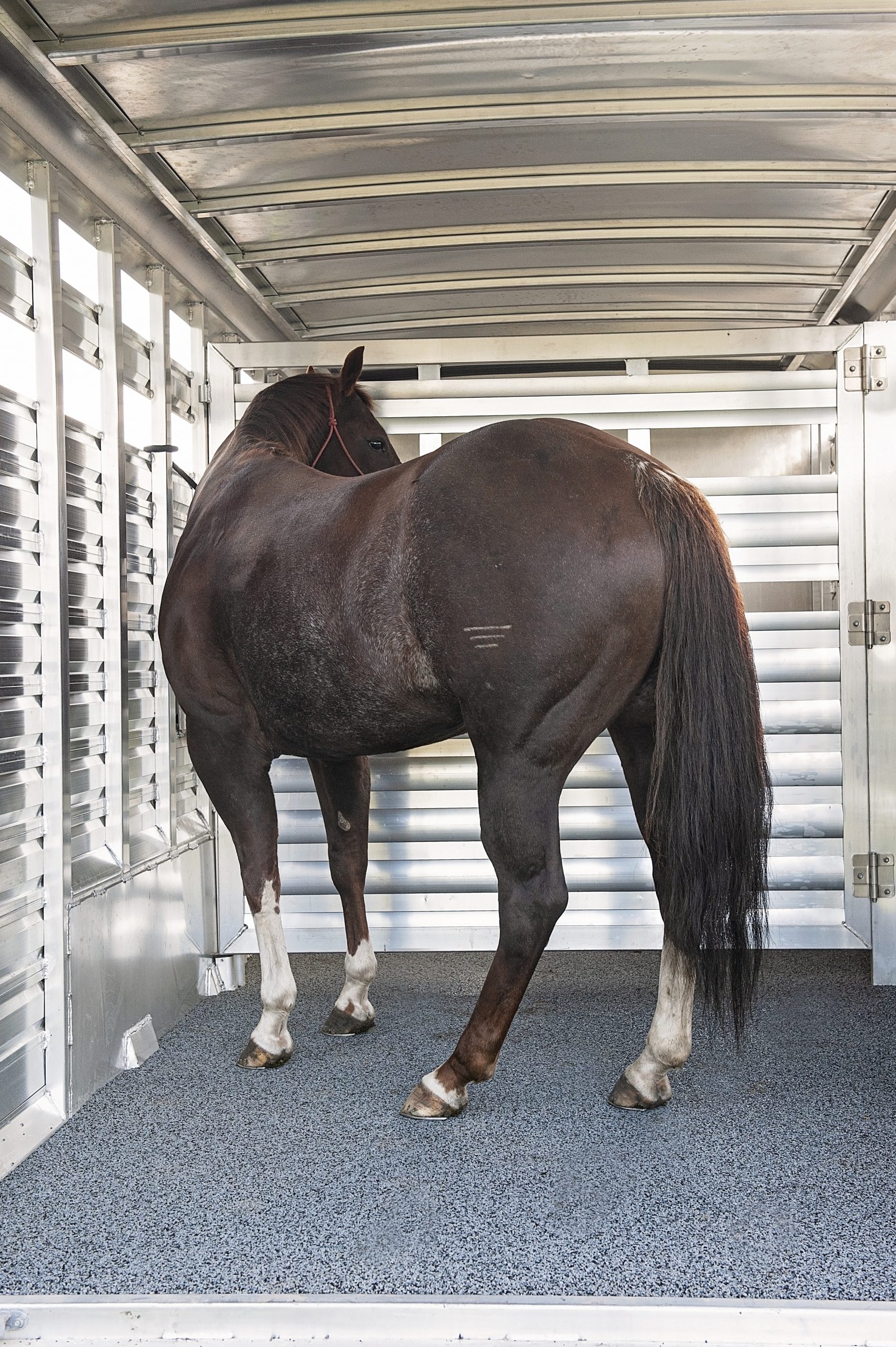
A horse trailer benefits from especially smooth braking because live cargo shifts and reacts. A fifth wheel or travel trailer used for long trips needs stable, repeatable performance in traffic and on descents. A work trailer that changes weight from job to job needs a controller that is easy to adjust on the fly.
Axle count matters, but it is not the only factor. So do trailer weight, brake condition, tire grip, road surface, and how aggressively you normally drive. Two owners pulling similar trailers can land on different settings because one runs empty half the time and the other is loaded to the hilt every weekend.
That is why there is no single perfect gain setting, and no controller should be judged only by how it behaves in the driveway.
Installation can be easy or annoying
On a truck with a factory tow package and a plug-in harness, installation can be straightforward. Mount the controller, connect the harness, level the unit if required, and calibrate it. On older trucks or vehicles without the right wiring in place, installation gets more involved. You may need to run power, ground, brake light input, and trailer brake output correctly. Do it wrong and the controller may work poorly or not at all.
Mounting position also matters. Some proportional controllers need to sit within a certain angle range to sense deceleration correctly. Others are more flexible. If leg clearance is tight or your dash layout is awkward, that can affect what model makes sense.
This is one of those cases where saving money on the wrong unit can cost you time, frustration, and confidence later.
Setting up a trailer brake controller the right way
Even the best controller needs to be adjusted. Start in a safe open area, not in highway traffic. With the trailer loaded as you plan to tow it, set initial gain according to the manufacturer’s guidance, then test at low speed.
You want the trailer to contribute firmly without locking up the wheels or jerking the truck. If the trailer feels like it is pushing the truck during normal stops, increase gain. If it feels grabby or the trailer wheels skid, back it down. Use the manual override to confirm the trailer brakes respond smoothly on their own.
This is not a one-and-done setting for every season and every load. Wet pavement, gravel, steep grades, and trailer loading changes can all affect the right adjustment.
Common problems owners blame on the controller
Sometimes the controller is the issue. Sometimes it gets blamed for everything else.
Weak trailer braking can come from poor grounds, undersized wiring, worn magnets, bad brake adjustment, corroded connectors, or a trailer plug that has seen too many winters. Jerky braking may come from a cheap time-delay unit, but it can also come from brakes that are out of adjustment or contaminated. Error codes and intermittent output often trace back to wiring faults before the controller itself has actually failed.
That is why experienced towing owners look at the full system – controller, truck wiring, trailer wiring, brake hardware, and loading – before declaring one part guilty.
What we recommend for most towing owners
If you tow a travel trailer, horse trailer, car hauler, equipment trailer, or fifth wheel with any regularity, buy a quality proportional controller and do not look back. It gives better road manners, better braking feel, and more confidence where it counts. A bargain unit may look fine on paper, but towing is one area where cheap often shows up as annoyance first and safety risk later.
For the occasional light trailer, a simpler unit can still be serviceable if it is installed correctly and adjusted carefully. But for most of the folks reading this, especially pickup owners towing real weight, the better controller is money well spent.
If you want help choosing a proven trailer brake controller and other towing gear that works in the real world, visit our store at https://Store.MrTruck.com.
A brake controller is one of those parts you stop thinking about when it is doing its job right, and that is exactly how towing safety ought to feel.