

Hook up the wrong truck to the wrong trailer and the numbers will look fine right up until the first mountain grade, crosswind, or panic stop. That is why any best pickup truck comparison worth reading has to go beyond brochure tow ratings. Real truck buyers need to know how a pickup handles payload, rear-end squat, transmission heat, stability, braking confidence, and day-after-day use with a trailer behind it.
For towing people, the best truck is rarely the one with the flashiest ad or the biggest single headline number. It is the one that matches your trailer, your cargo, your terrain, and how often you actually tow. A half-ton that feels great empty can run out of payload fast with a family in the cab and a travel trailer on the hitch. A heavy-duty diesel can pull like a freight train, but it may be more truck, more cost, and more maintenance than some owners need.
Best pickup truck comparison starts with the job
Before talking brands, start with your real use. If you tow a 7,000-pound travel trailer six weekends a year, you are shopping in a different world than the ranch owner hauling equipment every week or the RV traveler pulling a big fifth-wheel through the Rockies.
The biggest mistake buyers make is shopping by max tow rating alone. Tow ratings are useful, but payload is often the limiter. Put four adults in the cab, add a hitch, toolboxes, a generator, and trailer tongue weight, and many half-tons hit the wall before they ever get close to the advertised tow number. With fifth-wheels and goosenecks, payload matters even more because pin weight gets heavy in a hurry.
That is why truck class matters. Half-ton trucks are best when you want a daily driver that can still tow moderate loads. Three-quarter-ton trucks step up suspension, brakes, frame strength, and payload for more serious trailers. One-ton single-rear-wheel trucks are often the sweet spot for larger RV and horse trailer owners. Dually trucks are a specialty tool, but for the heaviest fifth-wheels, they earn their keep with stability and payload.
Half-ton trucks: best for lighter trailers and daily use
If your truck spends most of its life empty and only tows on weekends or vacations, a modern half-ton can be a very smart buy. Today’s F-150, Silverado 1500, Sierra 1500, Ram 1500, and Toyota Tundra all have the power to tow respectable loads. But they do not all tow the same way.
The Ford F-150 remains one of the most versatile choices because it offers a wide spread of engines, strong towing technology, and a broad range of configurations. Properly equipped, it can tow very well for a half-ton. Ford also tends to provide good integration of towing cameras, brake controller options, and trailer-assist features. The trade-off is that capability depends heavily on how the truck is optioned. One F-150 can be a strong tow rig, while another that looks similar on the lot may have far less payload.
The GM twins, Chevrolet Silverado 1500 and GMC Sierra 1500, are strong contenders if you want a balanced truck with good powertrain choices and predictable towing manners. They generally feel solid and straightforward, especially for owners who value familiar controls and a less fussy driving experience. Their weakness is the same as most half-tons – payload can disappear quickly once passengers and hitch weight are added.
Ram 1500 stands out for ride comfort. Empty or lightly loaded, it is often the nicest half-ton to live with day to day. That makes it attractive for owners who use the truck as a commuter and family vehicle. But comfort is not the same thing as best-in-class towing confidence. For moderate trailers it can do well, but once loads climb, buyers need to watch payload and rear suspension behavior carefully.
The Toyota Tundra has loyal fans for good reason. It offers a strong drivetrain and a reputation for durability. Still, for towing-focused buyers, it is not automatically the first pick simply because some competitors offer broader heavy-duty towing configurations and more detailed towing setup options. It is a good truck, but whether it is the right tow vehicle depends on trailer size and payload needs.
Best pickup truck comparison for heavy towing
When trailer size gets serious, heavy-duty trucks separate themselves fast. This is where gas versus diesel becomes a real decision, not a bench-racing debate.
The Ford Super Duty lineup has long been a benchmark for heavy towing. In F-250 and F-350 form, it offers strong frame strength, big payload potential, and excellent high-weight stability when configured correctly. For fifth-wheel and gooseneck owners, especially those hauling in mountains or over long distances, Super Duty remains one of the safest bets. Diesel power makes sense here if you tow heavy often. If you tow heavy only a few times a year, a big gas engine may save money without giving up the capability you need.
Ram HD trucks deserve serious respect, especially for buyers who put a premium on diesel torque and highway towing manners. A well-equipped Ram 2500 or 3500 can be an excellent long-distance tow rig. Interior comfort is also a strong point. The caution is that suspension setups and trim choices can change how the truck behaves under load, so it pays to compare specific configurations instead of assuming every HD Ram tows the same.
GM’s Silverado HD and Sierra HD trucks are often underrated in a best pickup truck comparison because they are less flashy in conversation than they are effective on the road. These trucks can be very strong towing tools, particularly for buyers who value straightforward controls, solid drivetrains, and stable trailering behavior. They tend to appeal to working owners who care more about consistent performance than bragging rights.
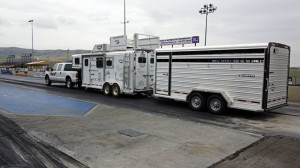
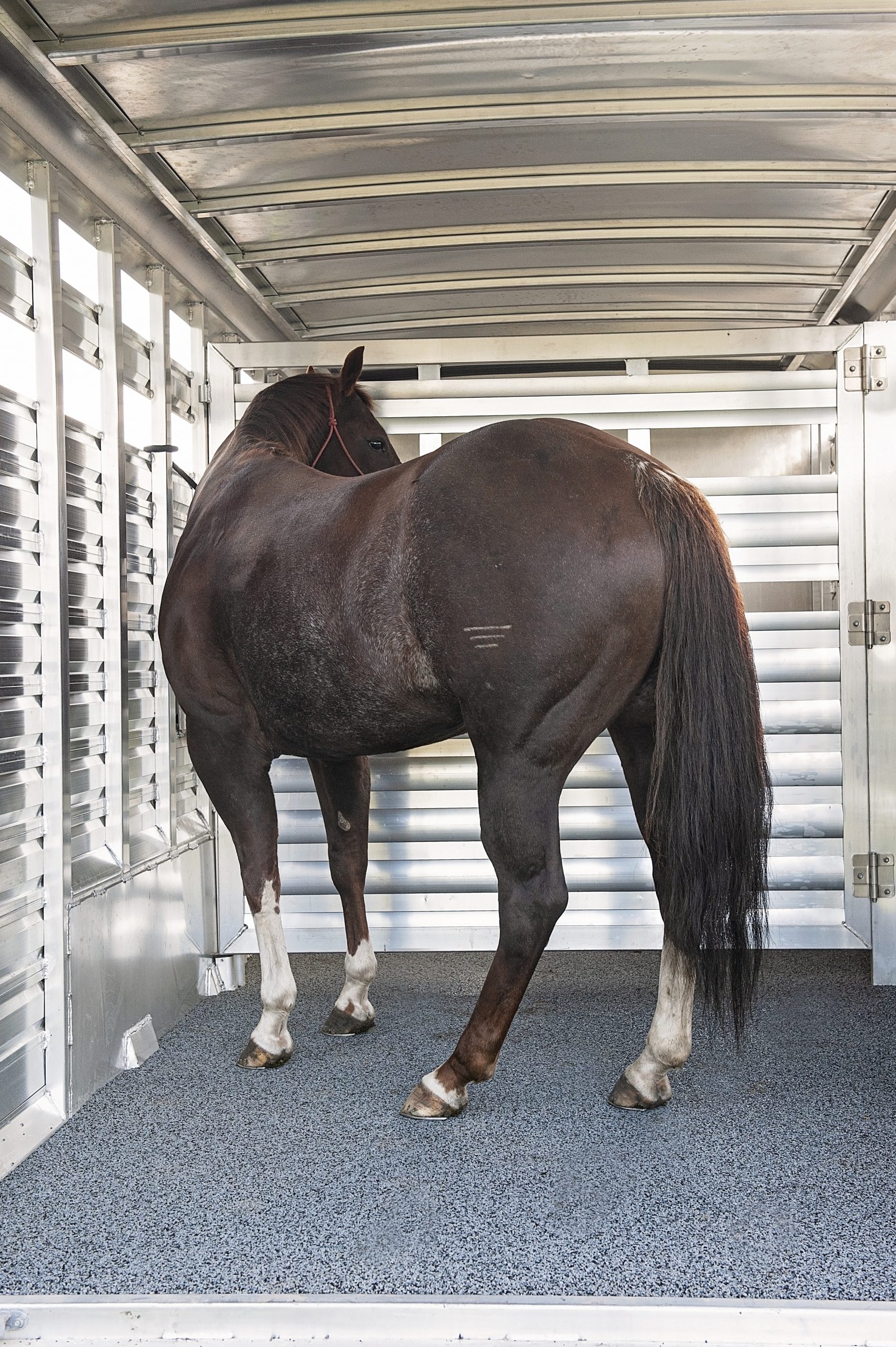
If you are towing a large fifth-wheel, horse trailer, or equipment trailer regularly, one-ton trucks start to make more sense than three-quarter-tons. Buyers often try to save a little money by staying in a 250 or 2500 series truck, but a 350 or 3500 may give you the payload margin you actually need. That extra cushion matters for safety, tire loading, and peace of mind.
Gas or diesel depends on how you tow
Diesel still rules when you tow heavy, tow often, or spend time in steep country. The torque, engine braking, and relaxed feel at highway speed are hard to beat. If your trailer is big enough to make the truck work hard every trip, diesel is usually the better tool.
But diesel is not a free upgrade. It raises purchase price, fuel system complexity, maintenance costs, and repair exposure. For buyers towing moderate loads a few times a month or less, a gas heavy-duty truck can be the smarter value. Modern big gas V8s pull well, cost less up front, and avoid some of the long-term diesel headaches.
That is the kind of trade-off many buyers miss. The best truck on paper is not always the best truck for your use.
Cab, bed, axle, and payload matter more than trim
Trim packages sell trucks, but towing buyers should stay focused on specs that affect the job. Crew cab, short bed, four-wheel drive, panoramic roof, and luxury options all add weight. That extra weight cuts into payload.
A plush interior is nice on a long trip, but not if it costs you the payload needed for hitch weight. Short beds can also complicate fifth-wheel and gooseneck setups depending on trailer front cap design and turning clearance. Axle ratio matters too. The right ratio can improve towing response and grade performance, while the wrong one can leave the truck hunting gears and working harder than it should.
In other words, do not shop by trim name. Shop by the door sticker, axle ratio, wheelbase, and intended trailer.
Which truck is best?
If you want the short answer, here it is. For moderate towing and daily driving, the Ford F-150 is one of the strongest all-around half-ton choices when properly equipped. The Ram 1500 is hard to ignore if ride comfort is a top priority. GM half-tons remain solid picks for buyers who want a balanced truck without gimmicks.
For serious towing, Ford Super Duty, Ram HD, and GM HD trucks all belong on the shortlist, with the final call depending on payload, powertrain, and trailer type. For large fifth-wheels and heavy pin weights, moving up to a one-ton is usually the smarter decision. For the heaviest RV and commercial-style loads, a dually is not overkill. It is the right tool.
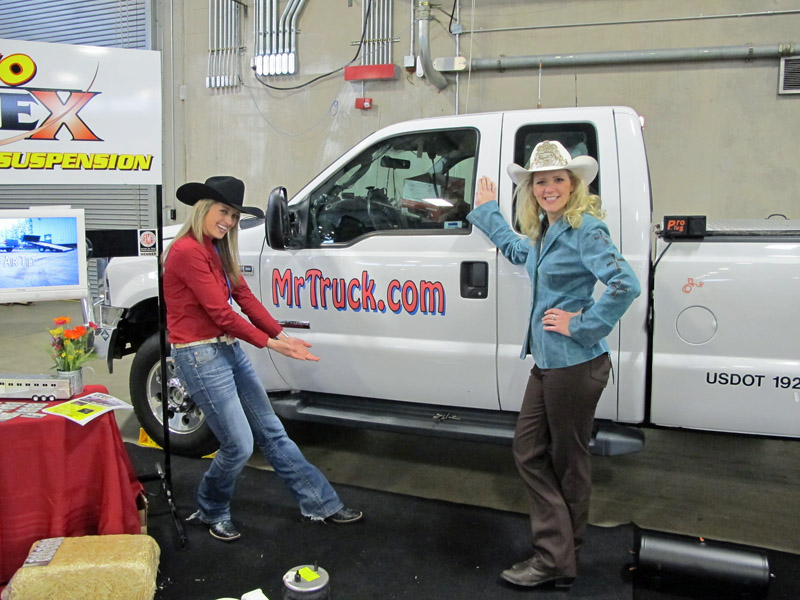
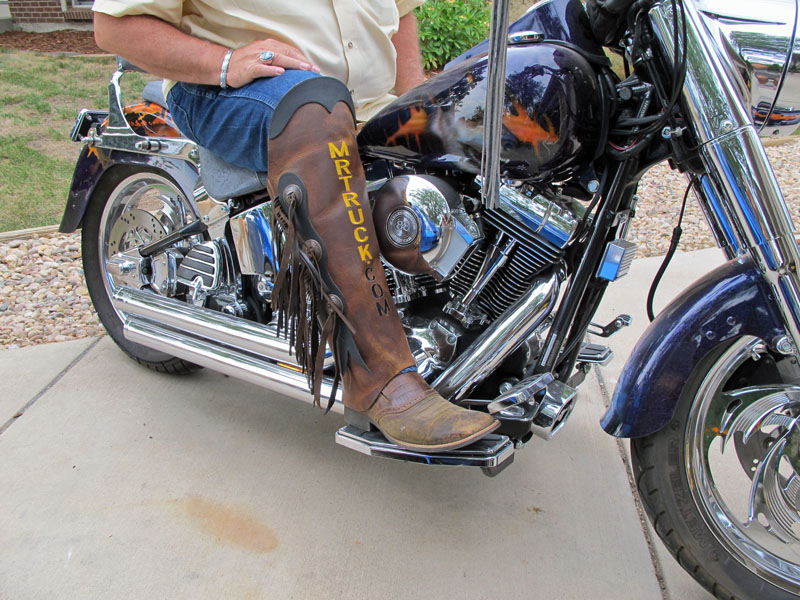
That is how MrTruck has always looked at pickups – not as trophies, but as towing tools. Match the truck to the trailer, leave yourself margin on payload, and buy for the work you really do, not the story you tell yourself on the dealership lot.
A good truck can make towing comfortable. The right truck makes it calm, controlled, and safe when conditions stop being easy.