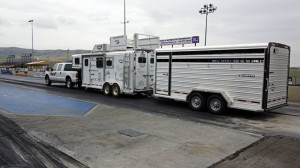


Backing a trailer into a tight campsite or a narrow barn lane is where bad guesses turn into dented fenders, bent jacks, and frayed nerves. The best trailer backup cameras give you a clear view where your mirrors quit helping, and for many truck and trailer owners, that makes them a safety tool, not a luxury.
A good camera system can save time, cut stress, and help you hitch up without a spotter every single trip. But there is no one-size-fits-all answer. A horse trailer owner hauling valuable animals has different needs than an RV traveler crossing three states in wind and traffic, and both are different from a ranch operator backing a flatbed around equipment.
What makes the best trailer backup cameras
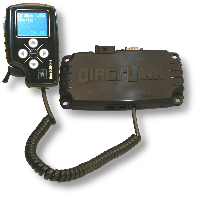
The first thing to sort out is whether you need a true backup camera, an observation camera, or both. A backup-only camera comes on when the truck is in reverse. That works fine if your main problem is parking or hitching. An observation camera stays on while driving, which matters if you want to monitor traffic behind the trailer, watch a load, or keep an eye on horses.
Screen quality matters more than most buyers think. A fuzzy image on a small monitor may technically work, but it will not help much at dusk, in rain, or when you are backing into a shaded site. The better systems have enough brightness and contrast to stay useful in real towing conditions, not just in a product photo.
Signal strength is another big dividing line. Wireless sounds convenient, and sometimes it is. On a short utility trailer or a bumper-pull camper, a solid wireless system can perform well. On a longer fifth-wheel or a metal-heavy trailer, signal dropout becomes a real issue. Hardwired systems take more installation time, but they are still the most dependable choice when you need a camera to work every time.
Best trailer backup cameras by use case
Best overall for most towing setups
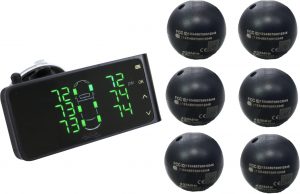
For most pickup-and-trailer owners, a quality wireless camera kit with a dedicated monitor is the sweet spot. It gives you easier installation than a fully wired system, but still offers enough image quality and stability for regular use. The better kits also include night vision, audio, and the option to add more cameras later.
This is usually the best fit for travel trailers, cargo trailers, horse trailers, and general-purpose haulers in the 20- to 35-foot range. If the camera has a strong transmitter and the monitor is sized for actual use in the cab, it will handle the job well without turning installation into an all-day wiring project.
The trade-off is consistency. Wireless systems vary a lot. Some are stable and sharp. Others work fine in the driveway and start cutting out on the highway or near interference. That is why brand reputation and real-world testing matter more here than an impressive box description.
Best for long fifth-wheel and gooseneck trailers
Longer trailers expose the weakness in cheaper wireless systems fast. If you haul a big fifth-wheel or gooseneck, especially one with aluminum skin, enclosed walls, or a lot of structure between the camera and the truck cab, hardwired is still the safer bet.
A wired system gives you the cleanest signal and usually the most dependable picture. It also makes sense for owners who tow often and plan to keep the trailer for years. Yes, installation takes longer. But if you are serious about towing safety, especially with a larger rig, reliability beats convenience.
This kind of setup is also a strong pick for commercial users or ranch operators. If the trailer gets used weekly or daily, downtime and signal problems get old in a hurry.
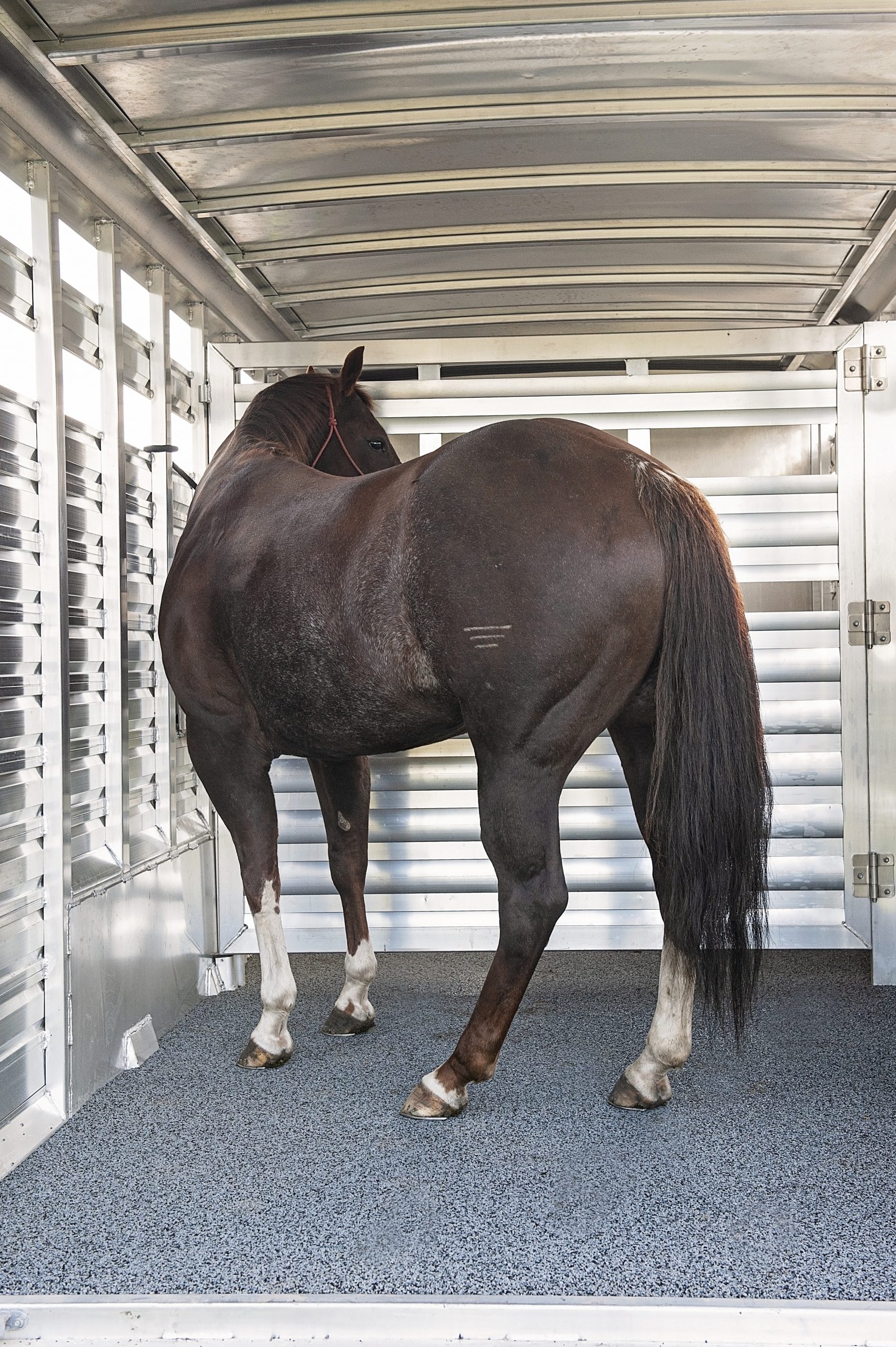
Best for horse trailers and livestock haulers
Horse trailer owners often need more than a rear-facing backup view. Many want an interior observation camera so they can check on animals while traveling. That pushes you toward systems that support multiple cameras and a monitor that can switch views easily.
In this case, night vision and image stability matter a lot. Trailer interiors can be dim even in broad daylight, and movement inside the trailer can make a poor camera nearly useless. A system with a wide viewing angle helps, but too wide can distort distance when backing, so balance matters.
For horse and livestock use, dependability matters even more than image sharpness. You are not buying a gadget. You are buying extra awareness while hauling valuable cargo that moves, shifts, and needs monitoring.
Best for easy hitching and solo hookups
If your biggest headache is lining up the ball and coupler by yourself, you may not need a full multi-camera trailer system. A simple rear camera aimed at the hitch area can save a lot of climbing in and out of the truck.
Some owners go with a tailgate or license plate style truck camera for this job, while others mount a dedicated trailer tongue camera. Either can work. The key is camera placement. If the lens is too high or too wide, your alignment still becomes guesswork.
For this use, a fast startup time is worth paying for. A camera that takes too long to wake up every time you shift into reverse becomes irritating quickly.
Wireless vs. wired trailer camera systems
This is where most buyers make the wrong call because they shop by convenience first. Wireless is easier to install, and for many moderate-length trailers it works well enough. If you tow on weekends, want a cleaner install, and do not need commercial-grade reliability, a good wireless system is often the practical answer.
Wired systems are better when the trailer is long, the body construction blocks signal, or the camera needs to stay on continuously without dropout. They are also better if you are adding multiple cameras. More cameras mean more chances for interference or lag in a wireless setup.
There is also a middle ground. Some systems are wireless for video but still require solid power wiring at the camera. That can confuse buyers who expect a truly cordless setup. No trailer camera is magic. You still need good power, proper mounting, and a monitor positioned where you can see it without taking your eyes too far off the road.
Features worth paying for
Night vision is one of them. If you ever back into dark storage lots, campgrounds, or barn areas before sunrise, it matters. Not all night vision is equal, though. Some systems advertise it and still deliver a muddy, low-detail image.
A larger monitor is also worth it, within reason. Too small, and details disappear. Too large, and it starts taking up useful space in the cab. For most truck owners, a mid-size dedicated screen is easier to live with than trying to force everything through a tiny display.
Weather resistance is non-negotiable. Trailer cameras live in road spray, dust, washouts, and temperature swings. Cheap housings and weak seals do not last. The same goes for mounts. A shaky camera with vibration blur is barely better than no camera.
Audio can be useful too, especially for livestock or when working with a spotter. But it should not be the reason you buy a system. Picture quality and reliability come first.
Common mistakes when buying trailer backup cameras
The biggest mistake is buying by price alone. Cheap systems often disappoint in signal range, screen clarity, and longevity. Towing equipment is one place where bargain gear can cost you more later.
Another common mistake is ignoring the trailer itself. Length matters, but so does construction. A short enclosed trailer with thick walls can be tougher on a wireless signal than a longer open trailer. You have to match the system to the actual rig, not just the spec sheet.
Many buyers also underestimate installation. Even a simple wireless kit needs correct power connection, secure mounting, and smart monitor placement. If the camera angle is wrong, or the monitor blocks your view, the system becomes more annoying than helpful.
So which type should you buy?
If you tow a moderate-length RV, utility trailer, or horse trailer and want easier installation, start with a high-quality wireless observation camera system from a proven towing-focused brand. That is the best balance for most owners.
If you tow a long fifth-wheel, use your trailer constantly, or cannot afford signal issues, go wired. It takes more effort up front and usually pays you back in reliability.
If your main goal is solo hookup, focus on camera placement first and extra features second. A basic system mounted right will outperform a fancy one mounted wrong.
The right camera should make you calmer, quicker, and more precise every time you tow. That is the standard to use.
If you want expert help choosing a proven camera system for your truck and trailer, shop the towing gear trusted by serious haulers at https://Store.MrTruck.com. A good camera is one of the easiest upgrades you can make for safer, less stressful towing.