

A truck that squats hard in the rear can feel loose, vague, and nervous long before it reaches its tow rating. That is usually when people ask, can airbags improve towing stability? The honest answer is yes, but only in the right setup, and only if you understand what airbags fix and what they do not.
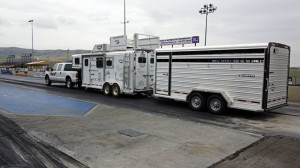
Air helper springs are one of the most misunderstood towing upgrades on the market. They can level a loaded truck, improve control, reduce bottoming, and make a heavy trailer feel more settled. They can also mask a bad hitch setup, shift too much weight off the front axle, and make handling worse if you rely on them as a cure-all. If you tow a travel trailer, fifth-wheel, horse trailer, or a loaded equipment trailer, that distinction matters.
Can airbags improve towing stability in real use?
Yes, airbags can improve towing stability when the truck is overloaded on the rear suspension or sagging enough to upset steering, braking, and headlight aim. Bringing the truck back to a more level attitude helps the suspension work in its normal range. That usually means better control over bumps, less porpoising, and a more confident feel at highway speed.
But airbags do not create payload capacity, and they do not replace proper weight distribution or sway control. If a bumper-pull trailer is swaying because tongue weight is too light, cargo is loaded poorly, or the hitch is wrong for the trailer, airbags alone will not solve that. In some cases, they can make sway more noticeable if you pump them up too much and unload the front axle.
That is the key point experienced towers learn fast. Airbags are a suspension support tool, not a bandage for every towing problem.
What airbags actually do for a tow vehicle
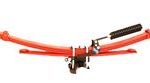
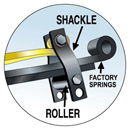
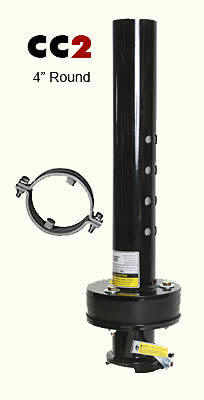
Airbags sit between the frame and axle or leaf spring area, depending on the truck and kit. By adding air pressure, they help carry some of the load that would otherwise compress the rear suspension. That gives you a way to tune ride height for different trailer weights and bed loads.
In practical terms, that can help in a few important ways. First, it cuts rear-end squat. A truck that stays closer to level generally steers better and feels less light in the front. Second, it can reduce suspension bottoming on rough roads, bridge joints, and dips. Third, it often improves stability with top-heavy loads or trailers that create a lot of rear suspension movement.
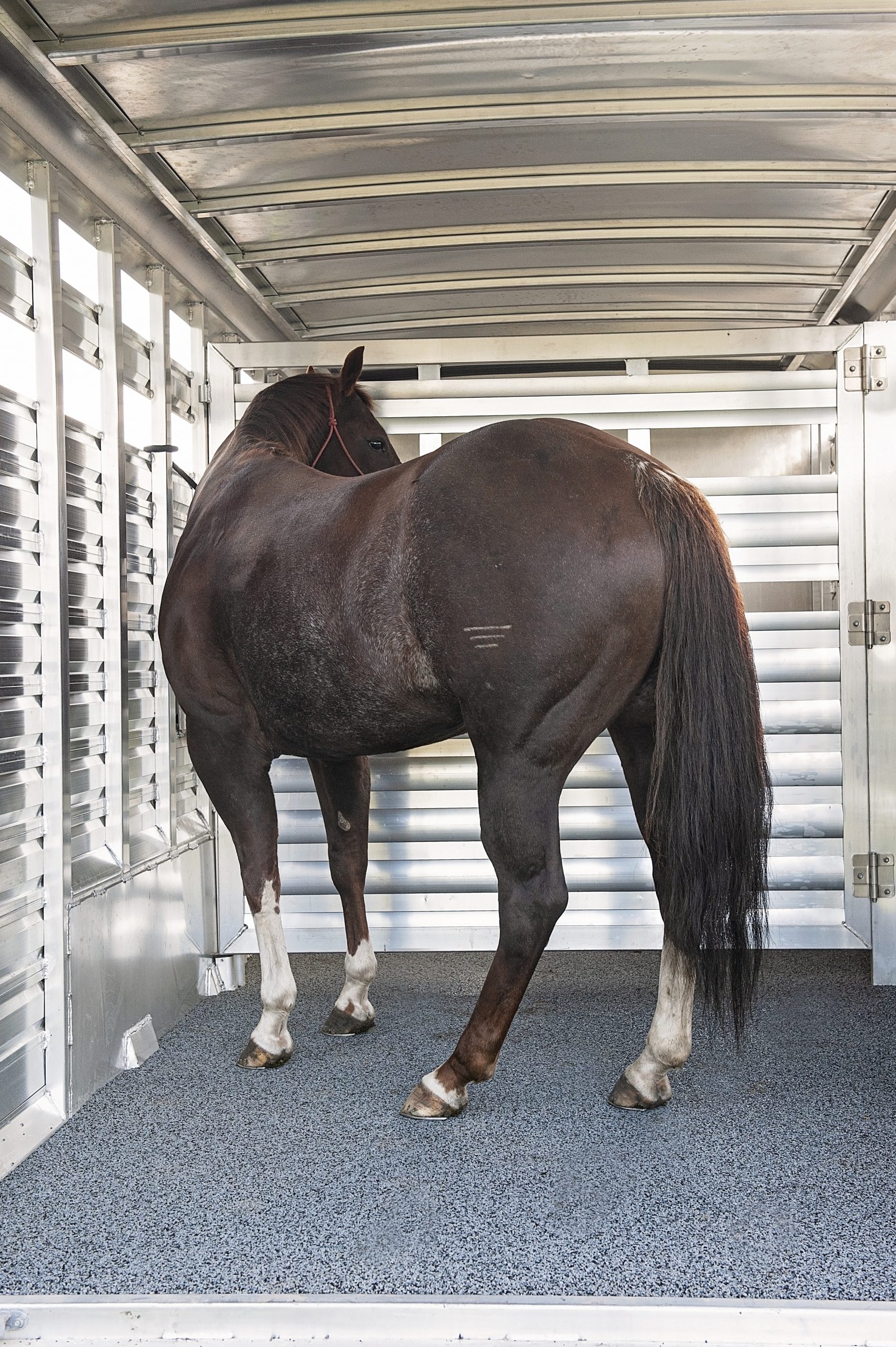
For horse trailers and RVs, that matters because the load is not always static. Water tanks shift. Tack, feed, and gear move around. Horses move. Airbags can help the truck stay composed when the rear suspension would otherwise get overwhelmed.
Where airbags help the most
Airbags are usually most useful for trucks that tow often but do not carry the same load every day. If your pickup serves as both a daily driver and a tow rig, being able to run low pressure unloaded and higher pressure when towing is a real advantage.
They also shine when the trailer has higher pin or tongue weight and the truck sits low in the rear. Fifth-wheel and gooseneck owners often like airbags because the added support can improve ride attitude without making the unloaded truck ride harsh all the time. For heavy bumper-pull trailers, airbags can help too, but they need to be part of a complete setup that includes the right hitch and enough tongue weight.
If your problem is simple sag from cargo in the bed plus trailer weight, airbags are often a smart answer. If your problem is trailer sway, wandering, or poor braking because the hitch setup is wrong, start there first.
Where airbags can hurt towing stability
This is where people get into trouble. They install airbags, inflate them until the truck looks perfectly level, and assume they improved the whole towing system. Sometimes they did the opposite.
On a bumper-pull trailer, too much rear lift can reduce the effectiveness of a weight distribution hitch by changing the balance between the truck axles. If the front axle is not restored properly, steering can get lighter and less precise. That can make the trailer feel less stable even though the truck looks better parked in the driveway.
The same problem shows up when airbags are used to compensate for too much trailer weight on too little truck. The truck may sit higher, but the brakes, tires, axle ratings, and overall control limits have not changed. Airbags do not increase GVWR, RAWR, or tire capacity. They only help support the load within the suspension.
Another trade-off is side-to-side firmness. Some kits can make the rear suspension feel stiffer or more reactive over uneven pavement, especially if pressures are higher than needed. That is not always bad, but it is part of the tuning process.
Airbags vs. weight distribution hitches
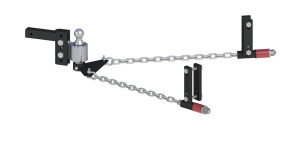
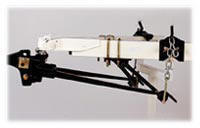
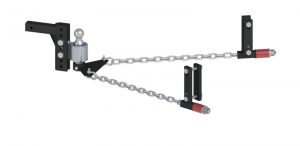
A lot of confusion comes from mixing up these two jobs. A weight distribution hitch is designed to transfer some load from the rear axle forward to the front axle and back to the trailer axles. That is critical for many bumper-pull trailers. It improves steering, braking, and stability by restoring balance.
Airbags do something different. They support the rear suspension and help level the truck. They do not redistribute weight the same way a weight distribution hitch does.
That means airbags are not a replacement for a weight distribution hitch on a trailer that needs one. In many cases, the best towing setup uses both. Set the weight distribution hitch correctly first, then use airbags conservatively to fine-tune ride height and suspension support. If you inflate the bags first and then try to adjust the hitch, you can chase the setup in circles.
Can airbags improve towing stability with fifth-wheels and goosenecks?
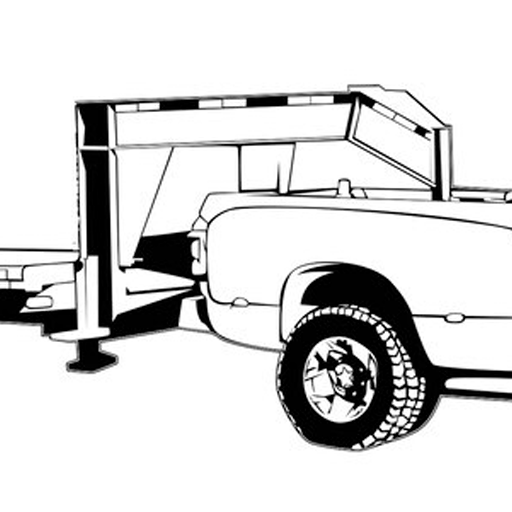
Often, yes. Fifth-wheel and gooseneck trailers generally do not rely on sway control the same way bumper-pull trailers do, so airbags can be especially useful here for managing pin weight and improving suspension control. A truck carrying a heavy pin load can benefit from extra rear support, particularly if it sees varying load weights or rough roads.
That said, the same limits apply. Airbags do not upgrade a three-quarter-ton truck into a one-ton. They do not fix tire overload, and they do not excuse ignoring axle ratings. For serious fifth-wheel towing, stable tires, proper shocks, and enough truck are still the foundation.
The right way to set airbags up
The best setup starts with accurate weights. Weigh the truck alone, then weigh it with the trailer hitched and loaded as you actually travel. That tells you whether the issue is normal squat, poor weight distribution, or a truck that is already beyond its comfortable range.
If you are towing a bumper-pull trailer, set the weight distribution hitch first. Restore the front axle load according to the hitch maker’s guidance and the truck’s measurements. Then add just enough air pressure to support the rear and fine-tune ride height. More pressure is not automatically better.
If you are towing a fifth-wheel or gooseneck, start with minimum bag pressure, hitch the trailer, and add air gradually until the truck sits where it should and handles predictably. Watch for overcorrection. You want support, not a rear suspension inflated into stiffness.
Good shocks also matter. Airbags and worn-out shocks are a poor combination. If the truck wallows or bounces, quality shocks often do as much for towing control as airbags.
So, are airbags worth it?
If your truck sags under trailer load, bottoms out on rough pavement, or feels unsettled because the rear suspension is overloaded within its rated limits, airbags are often worth it. They are especially useful for people who tow different trailers, haul bed cargo, or want adjustability that factory springs cannot provide.
If you expect airbags to fix sway, replace a weight distribution hitch, or make an undersized truck safe for a trailer that is too heavy, they are the wrong answer. That is where a lot of disappointment starts.
The best towing upgrades are the ones that solve the actual problem. Sometimes that is airbags. Sometimes it is a better hitch, better shocks, more tongue weight, better tires, or simply a truck that matches the trailer. A level truck looks good, but a balanced towing setup is what keeps it steady when the crosswind hits or traffic stacks up on the interstate.
If you want proven towing parts and real advice on what works, visit our store at https://Store.MrTruck.com.
Get the setup right before the next trip. Your truck, trailer, and everyone riding with you will feel the difference.