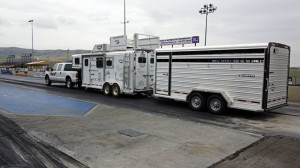



A horse trailer can look fine sitting in the driveway and still have a problem waiting to show itself at 60 mph. A soft tire, a corroded connector, a loose hitch pin, or a horse loaded out of balance can turn an ordinary trip into a dangerous one fast. This horse trailer safety guide focuses on the checks that matter when real horses, real roads, and a loaded pickup are involved.
The rule is simple: your truck, trailer, hitch, tires, brakes, and loading routine all work as one system. A strong diesel pickup cannot compensate for worn trailer brakes. A premium trailer cannot overcome an improperly adjusted hitch. Start with the system, not a single part.
Start With the Tow Vehicle and Hitch
Before you load a horse, verify that the truck is rated for the actual trailer weight, not just the empty trailer weight printed in a brochure. Add the trailer, horses, tack, hay, water, feed, mats, and anything stored in the dressing room. A two-horse bumper-pull that seems modest on paper can get heavy in a hurry, especially when it has a large tack area.
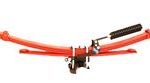
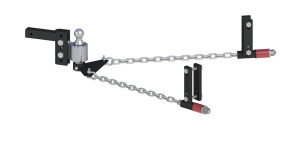
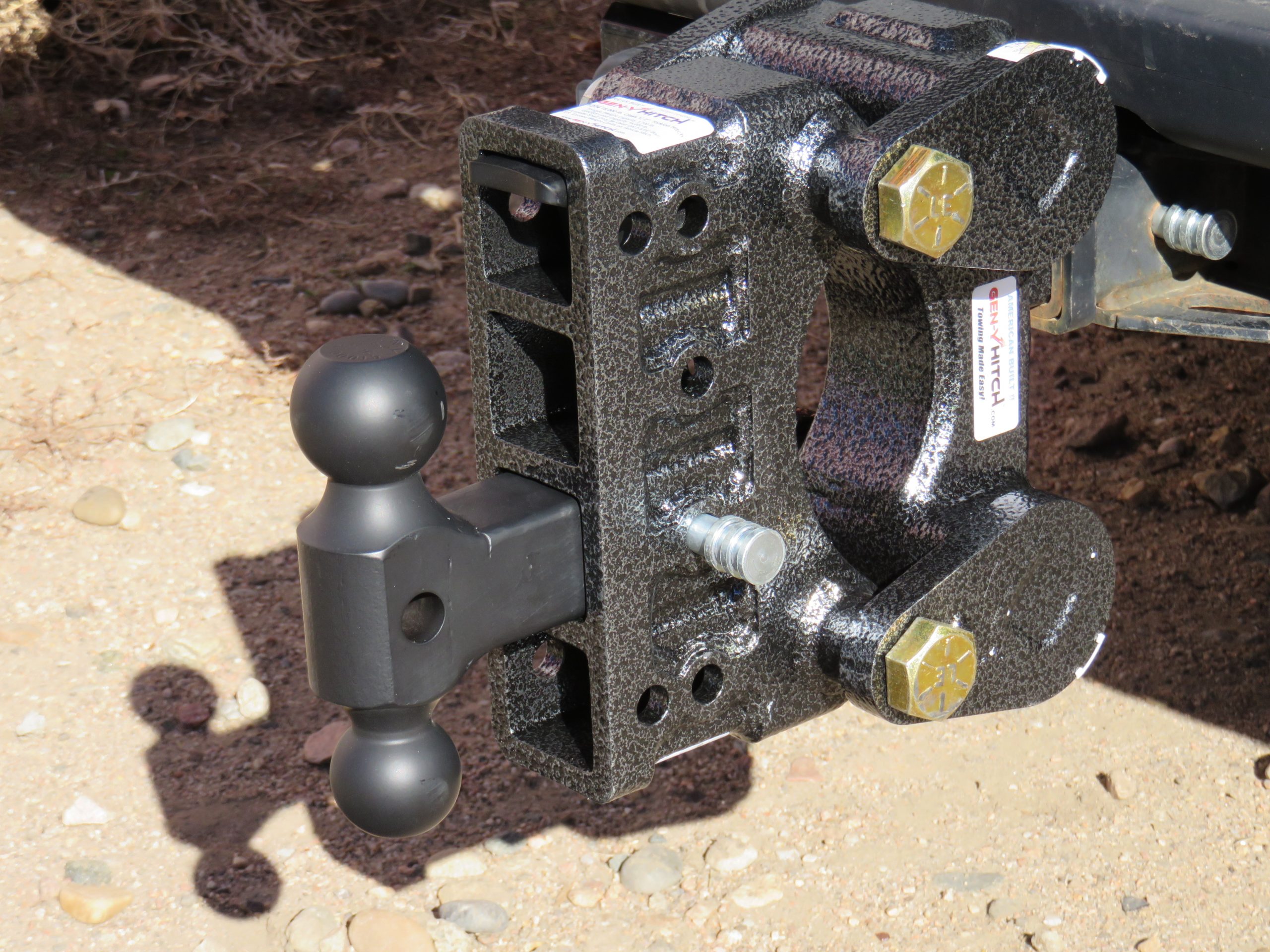
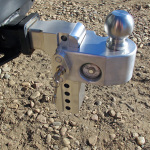
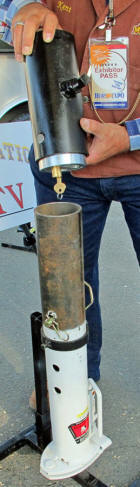
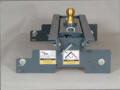
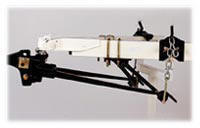
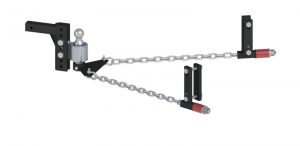
Check the receiver, ball mount, hitch ball, coupler, and safety chains for the correct weight ratings. The hitch ball must be the exact size called for by the coupler, fully seated in the mount, and tightened to specification. Do not trust a ball that “looks about right.” A mismatched or loose ball is one of those failures that gives little warning.
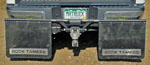
With a bumper-pull trailer, the trailer should sit level or close to it when hitched. A nose-high trailer can reduce stability and move too much weight off the front axle of the truck. A nose-low trailer can overload the rear axle and make the rig harder to control. If the trailer is not level, correct the ball-mount drop or rise before the next trip.
Connect crossed safety chains under the coupler, leaving enough slack for turns but not enough to drag. Attach the breakaway cable to a solid point on the truck separate from the safety chains. It needs enough length for normal cornering, but it should pull the trailer breakaway switch before the chains go tight if the trailer separates.
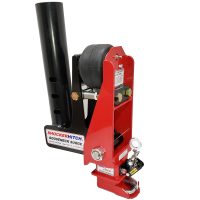
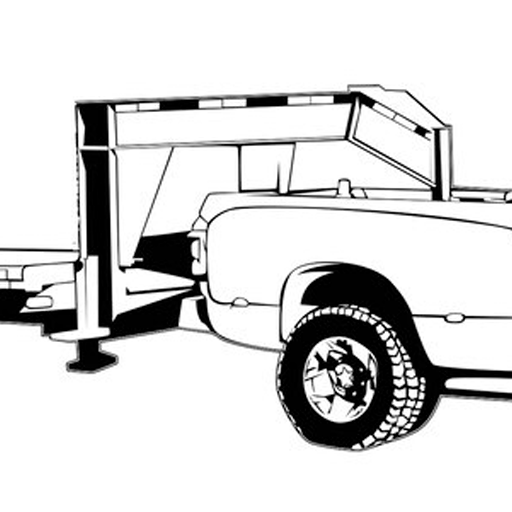
For gooseneck trailers, inspect the coupler, safety chains, bed-mounted hitch, and all hardware at the hitch connection. Short-bed truck owners must also confirm adequate cab-to-trailer clearance during tight turns. A damaged truck cab is expensive. A jackknifed horse trailer is worse.
Horse Trailer Safety Guide: Tires, Wheels, and Brakes
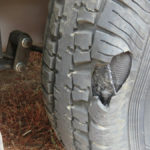
Trailer tires age out before many owners expect. They may have deep-looking tread and still be unsafe due to age, sidewall cracking, belt separation, or sun damage. Check the DOT date code and inspect both sidewalls, including the inside sidewall that is easy to ignore. If tires are old, cracked, bulged, or showing uneven wear, replace them as a set with tires rated for the trailer’s axle capacity.
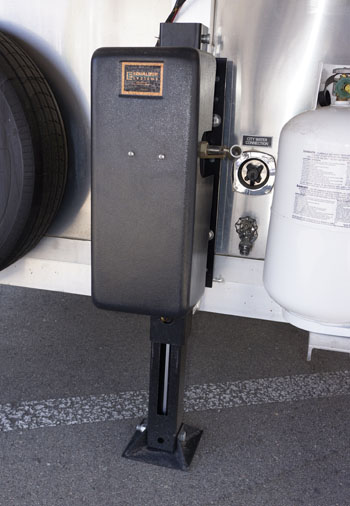
Set cold tire pressure to the tire manufacturer’s recommendation for the load. Do not guess based on what feels right with a tire gauge. Underinflation builds heat, and heat destroys trailer tires. Overloading has the same result. Make sure the spare is inflated, in usable condition, and that you have the correct wrench, jack, and a solid plan for safely lifting the trailer.
Wheel bearings deserve regular service, especially on trailers that sit through winter or travel long distances in summer heat. After a short stop early in the trip, carefully check each hub for excessive heat. One hot hub compared with the others can signal a bearing or brake issue that needs immediate attention.
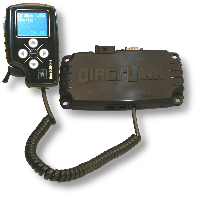
Test trailer brakes every time you hook up. With the trailer connected, use the manual lever on the brake controller at low speed in a clear area. You want firm, even braking without the trailer wheels locking easily. Brake controller settings are not permanent. A lightly loaded trailer, a fully loaded trailer, dry pavement, rain, and mountain grades can all call for an adjustment.
Check every exterior light before leaving: running lights, brake lights, turn signals, reverse lights if equipped, and the license plate light. If the lights flicker when you move the plug, clean the connector and inspect the ground connection. Electrical trouble rarely fixes itself on the road.
Load for Balance, Not Convenience
How you load a horse trailer affects handling more than many owners realize. The goal is stable, balanced weight with appropriate tongue weight on a bumper-pull or proper pin weight on a gooseneck. Too little hitch weight is a common contributor to trailer sway. Too much can overload the truck’s rear axle, tires, suspension, and hitch.
Load horses according to the trailer manufacturer’s intended configuration. In most standard two-horse trailers, that means placing horses in their designed stalls, securing dividers and butt bars correctly, and avoiding a heavy pile of tack at the very rear. Water cans, hay bales, portable generators, and feed bags are not small items once they are all collected in one place.
Secure every loose object. A loose shovel, tack trunk, or water bucket becomes a projectile during a hard stop. Latch dressing room doors, escape doors, ramps, and roof vents. Check that interior padding is secure and that no sharp edge, broken latch, or exposed fastener can injure a horse.
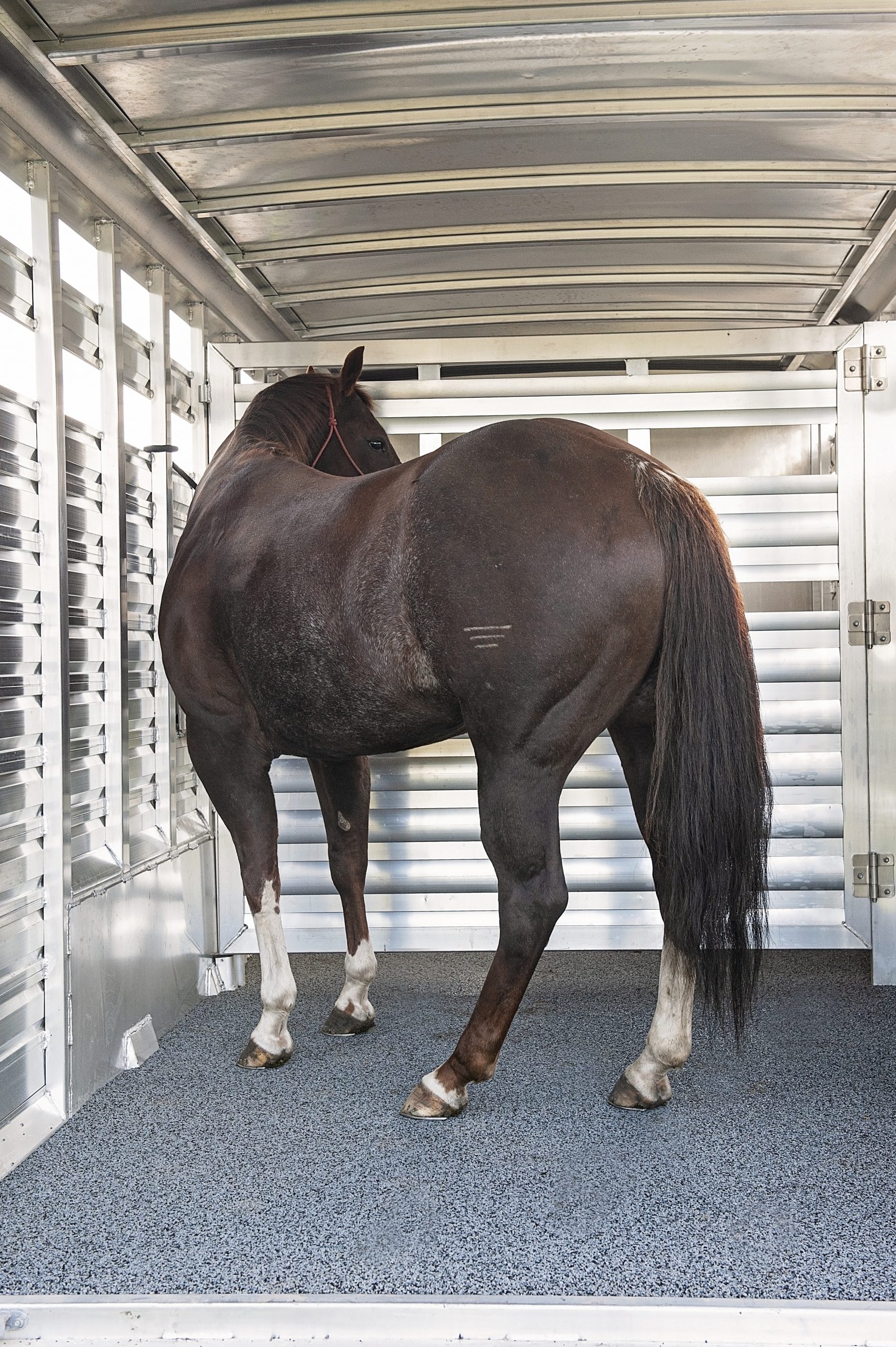
Do not load a horse into a trailer with a questionable floor. Lift mats and inspect the flooring regularly, particularly near the rear doors, wheel wells, and urine-exposed areas. Wood floors can rot from the underside while appearing acceptable from above. Aluminum floors can corrode. If there is doubt about the floor structure, repair it before hauling.
Give the Horse a Safe Place to Ride
A safe trailer ride is not only about avoiding breakdowns. Ventilation, footing, room, and calm handling affect how the horse arrives. Open vents as conditions allow, but avoid creating a strong direct draft on the horse. In hot weather, airflow is necessary, but it does not replace sensible scheduling, hydration, and rest stops.
Use secure, properly fitted halters and ties designed for trailer use. Keep the tie short enough to prevent a horse from getting a leg over it, while allowing normal head movement. Quick-release hardware or a quick-release knot is a practical safeguard, provided the handler knows how to use it under pressure.
Load calmly and do not rush the process because traffic is building or daylight is fading. A reluctant horse is telling you something, whether it is training-related, a footing issue, a bee in the trailer, a dark interior, or a previous bad experience. Forcing the issue can create a loading accident before the truck ever moves.
On longer trips, stop periodically to inspect the rig and check the horses. Listen for unusual movement, coughing, scrambling, or repeated kicking. Never open a horse trailer door until the trailer is parked safely, the truck is secured, and you are prepared for a horse that may be anxious or eager to exit.
Drive Like You Have Live Cargo Behind You
Horse trailers need more following distance than an empty utility trailer. Brake early, accelerate gradually, and make lane changes with patience. Sudden steering input is how a manageable sway event becomes a serious loss of control.
Watch your mirrors constantly. You are looking for tire smoke, a sagging corner, an open door, shifting cargo, or a horse behaving abnormally. A tire pressure monitoring system can add valuable warning time, especially on long highway trips, but it does not replace a hands-on pre-trip inspection.
If the trailer begins to sway, do not stab the truck brakes or try to steer sharply out of it. Hold the wheel straight, ease off the accelerator, and use the trailer brake controller manually if needed to bring the trailer back in line. Then pull over when safe and find the cause. Common culprits include low tire pressure, poor loading balance, excessive speed, wind, worn suspension parts, or inadequate tongue weight.
Be especially conservative in crosswinds, on downhill grades, in construction zones, and when passing or being passed by large trucks. The posted speed limit is not always the safe towing speed. Conditions, trailer design, horse behavior, pavement, and load weight all matter.
Build a Pre-Trip Routine You Will Actually Use
The best inspection routine is the one you will perform every time. Walk around the entire rig after hitching and again after loading. Look under the trailer, touch latches, verify the plug, inspect tires, and confirm that doors and vents are secured. It takes only a few minutes and catches the mistakes that happen when people are distracted.
Keep maintenance records for tires, wheel bearings, brakes, battery condition, breakaway switch testing, floor inspections, and suspension service. That record helps you spot patterns before they become roadside failures. It also gives you a clear answer when someone says, “When were these bearings last packed?”
A good haul should be uneventful. That is the standard. Put the same care into your hitch, tires, brakes, and trailer equipment that you put into your horses, and you will avoid many of the problems that strand haulers on the shoulder. For proven towing and horse trailer equipment selected for real-world use, visit the MrTruck store.