

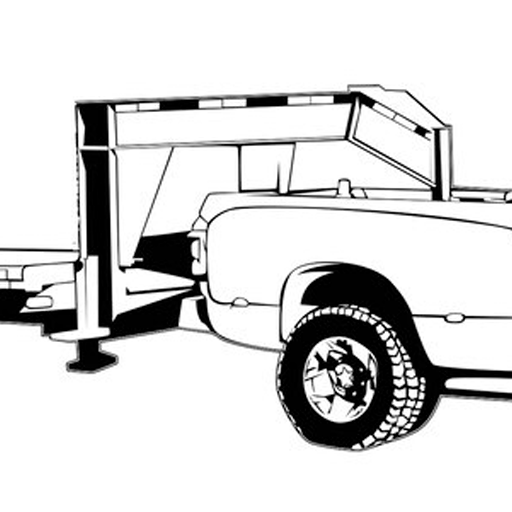
A used truck can look perfect on the lot and still be the wrong rig for your trailer. That is why pickup truck reviews used by real towing people matter more than glossy sales talk. If you haul an RV, horse trailer, equipment trailer, or a bed full of feed and tools, the smart buy is not just about price, miles, or a shiny interior. It is about how that truck was built, how it was used, and whether it still has the bones to tow safely.
A lot of used truck shopping goes sideways because buyers focus on badge and trim before they look at axle ratio, payload sticker, hitch setup, tire condition, or transmission behavior under load. For a commuter, that might slide. For a towing owner, it is where expensive mistakes begin.
How to read pickup truck reviews used buyers actually need
Most used truck reviews online tell you whether the seats are comfortable and the infotainment works. Fine, but that is not enough if your truck has a job to do. The right review should tell you how the truck behaves with weight on the rear axle, how stable it feels with a trailer behind it, whether the powertrain holds gears properly on grades, and how the suspension handles squat.
This is where experience counts. A half-ton that feels strong empty can get pushed around by a taller travel trailer. A heavy-duty truck that rides stiff unloaded may be the better long-term buy if you tow often. There is always a trade-off. Comfort matters, but control matters more when the trailer starts talking back in crosswinds.
When you read a used review, pay attention to whether the writer understands towing ratings in the real world. A truck may advertise a big max tow number, but the payload sticker can shut that down fast once you add passengers, a hitch, cargo, and trailer tongue weight. That is especially true with half-tons dressed up in luxury trim.
Start with the job, not the truck
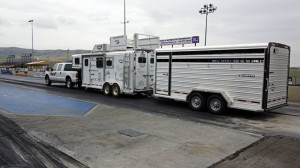
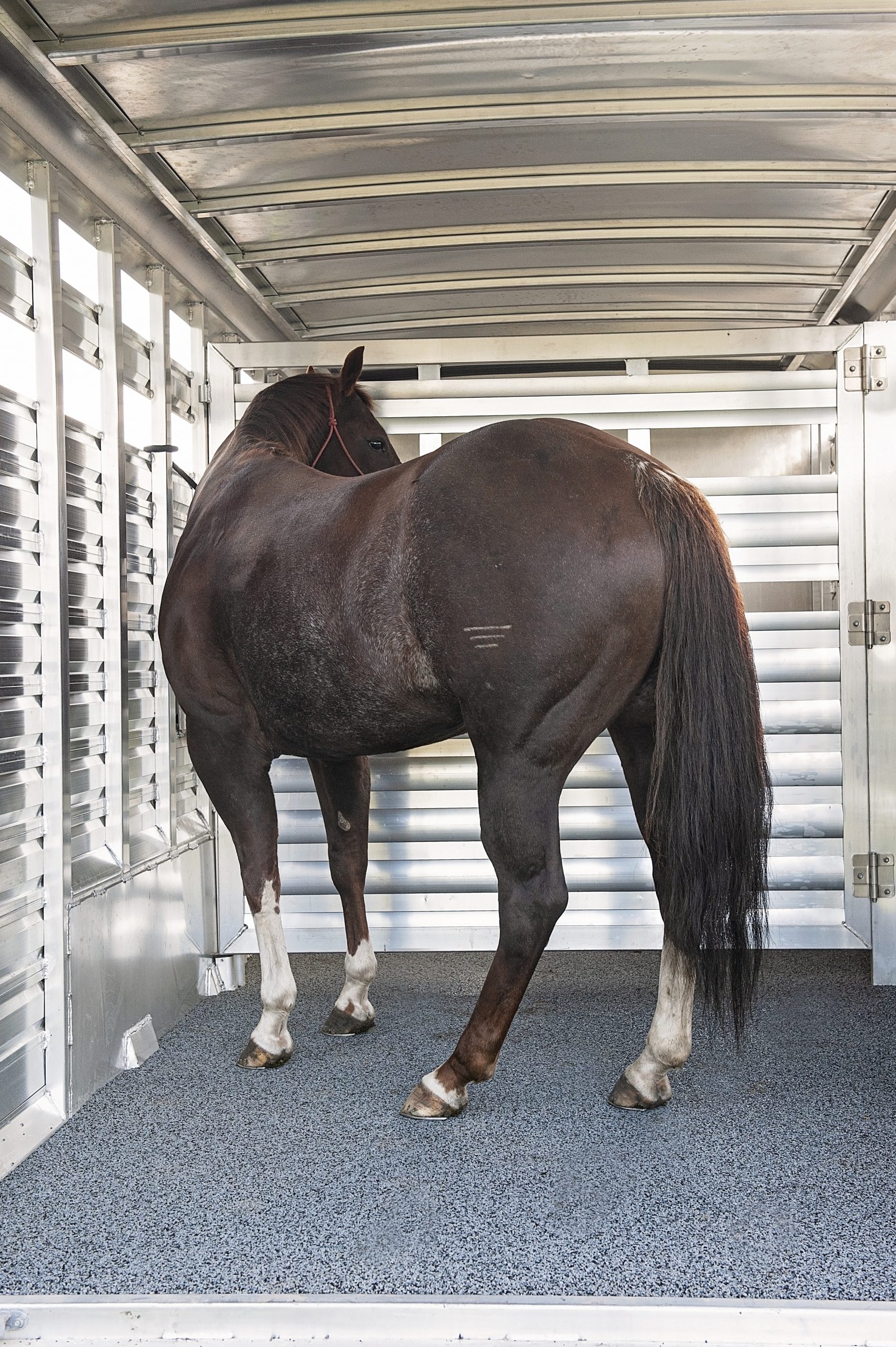
Before you compare brands, get honest about what you pull and how often. A buyer towing a 6,000-pound utility trailer twice a month has different needs than someone hauling a loaded horse trailer through mountain country. If your trailer is tall, catches wind, or carries live animals, stability becomes a bigger deal than brochure bragging rights.
For lighter occasional towing, a well-equipped half-ton may be enough. For repeated heavy towing, especially with a fifth-wheel, gooseneck, or larger enclosed trailer, a three-quarter-ton or one-ton usually makes more sense. The used market often fools buyers here. A loaded half-ton can cost nearly as much as an older heavy-duty truck, yet still come up short on payload and rear suspension control.
Diesel or gas depends on use. Diesel brings torque, better grade pulling, and often better fuel economy under load. It also brings higher repair costs, more emissions complexity on newer trucks, and more expensive maintenance. Gas trucks are simpler, usually cheaper to buy used, and can be the better value for moderate towing or lower annual miles. There is no magic answer. The right engine is the one that matches your trailer, terrain, and budget for ownership after the sale.
The used truck review checklist that saves money
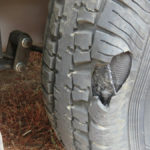
When I look at a used pickup, I care less about chrome and more about evidence. Start with the tires. Uneven wear can point to alignment issues, worn suspension parts, or a truck that spent its life overloaded. Check for mismatched tires too. That often tells you maintenance was handled by convenience, not by a careful owner.
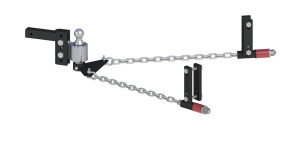
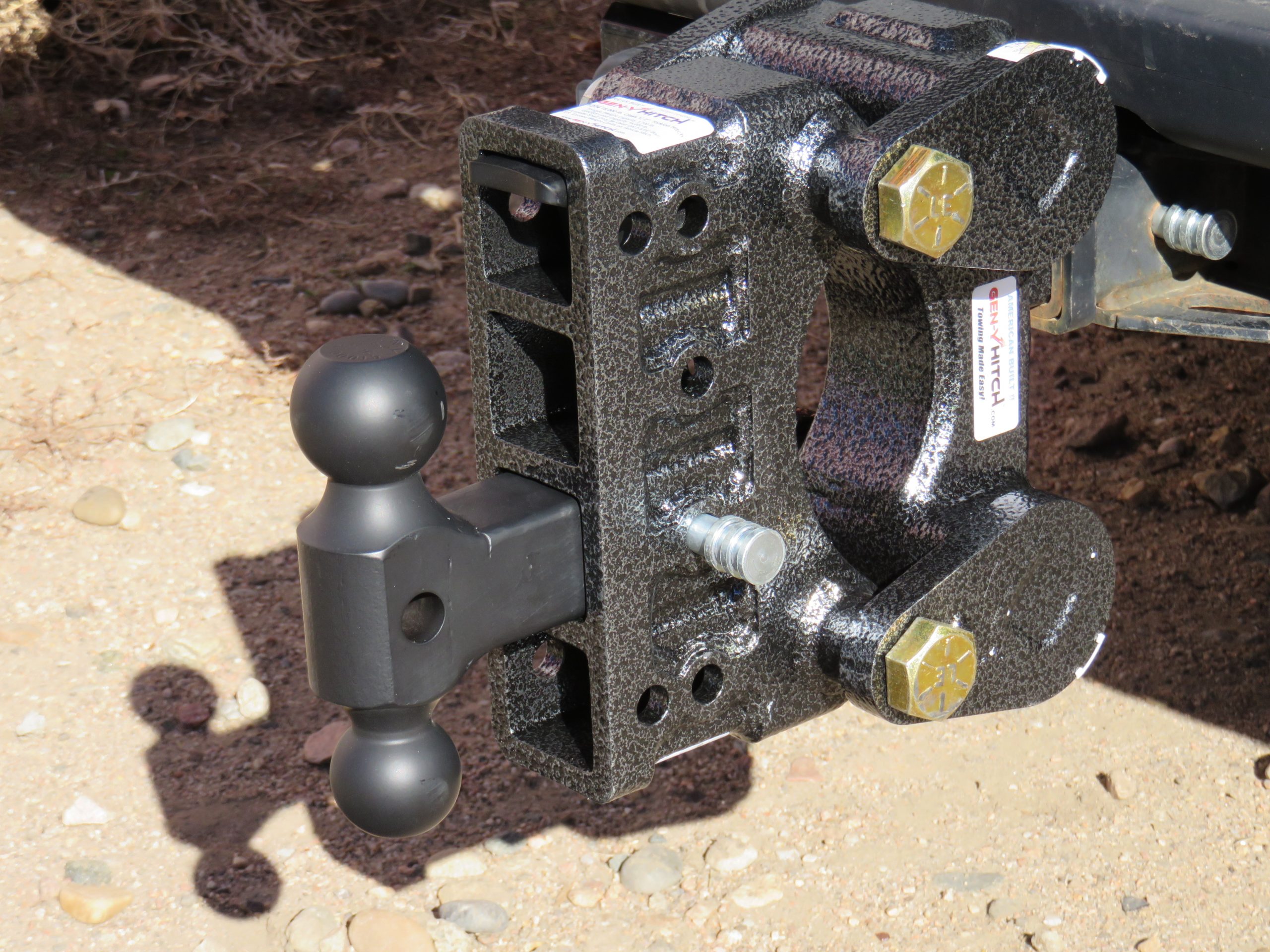
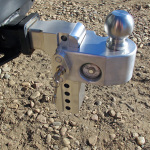
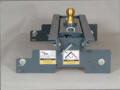
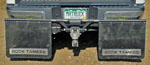
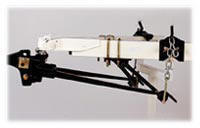
Next, inspect the receiver hitch, bed, and electrical plugs. Bent safety chain loops, heavy rust around the receiver, cracked seven-way plugs, or a bed beaten up around a gooseneck ball opening all tell a story. None of that automatically makes it a bad truck, but it does tell you it worked for a living. Then price it like a work truck, not a cream puff.
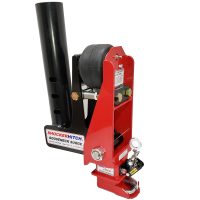
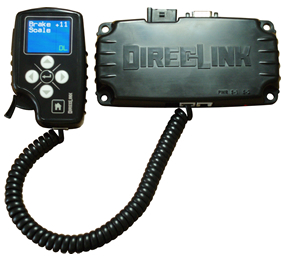
Look under the truck for seepage at the differential, transfer case, transmission pan, and shocks. Check the springs for sag and the bump stops for signs of repeated bottoming out. If the truck has aftermarket air bags, helper springs, or an add-on brake controller, ask why. Sometimes those are smart upgrades. Sometimes they are bandages on a truck that was undersized for the trailer.
On a test drive, do not just circle the block. Let it shift through all gears. Feel for delayed engagement from park to drive or reverse. Listen for driveline clunk. Hit a rough section of road and see whether the rear suspension settles or wallows. Brake firmly and check if it stays straight. A used truck review that ignores these basics is missing the point.
Best bets by class in pickup truck reviews used searches
There is no single best used pickup for everybody, but some patterns hold up.
Half-ton trucks make sense when towing is moderate and payload is watched carefully. They are easier to live with day to day, usually easier to park, and often cheaper to insure. The catch is that many used half-tons were sold as family vehicles with luxury features that eat into payload. A nice crew cab 4×4 with every option may look capable, but the door sticker may tell a different story.
Three-quarter-ton trucks are often the sweet spot for serious trailer owners. They give you more rear suspension, stronger brakes, heavier frames, and better overall control without always stepping into the cost and size of a one-ton. If you tow a substantial travel trailer, horse trailer, or equipment trailer on a regular basis, this class deserves a hard look.
One-ton single-rear-wheel trucks are excellent for heavier fifth-wheel and gooseneck use where payload matters. Dually models raise the bar further for stability and carrying power, but they are wider, rougher in tight spaces, and not as handy for everyday use. Again, it depends on the job. A dually is not overkill if the trailer demands it. It is cheap insurance.
Older pre-emissions diesels get a lot of praise in used-truck circles, and some of it is earned. Simpler systems can mean fewer expensive failures. But age brings its own problems – worn front ends, tired injectors, neglected transmissions, and rust. Newer gas heavy-duty trucks can be the more dependable buy for many owners, especially if you want fewer surprises and easier service.
Common mistakes used truck buyers make
The biggest mistake is buying for ego instead of payload. A truck can have plenty of horsepower and still be the wrong truck because the payload is too low for the trailer tongue weight or pin weight. This happens every day.
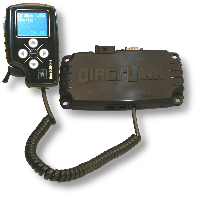
The next mistake is assuming aftermarket parts add value dollar for dollar. A lift kit, oversized tires, or tuner may actually lower the value if you care about towing. Those changes can hurt stability, braking, gearing, and long-term reliability. On the other hand, a properly installed brake controller, quality towing mirrors, or suspension support setup can be a plus if the truck was used intelligently.
Another mistake is skipping the paperwork. Service records matter. A transmission service, cooling system maintenance, differential fluid changes, and brake work are not exciting, but they tell you the truck was cared for. If the seller has no records and a polished engine bay, stay skeptical.
Pickup truck reviews used for towing should answer one question
Would you trust this truck with your family and trailer at highway speed in bad wind or mountain grades?
That is the standard. Not whether the seat leather still smells new. Not whether the touchscreen is pretty. Towing puts every weak link on display – cooling, brakes, tires, suspension, hitch setup, and driver confidence. A good used truck earns trust because it is matched to the load and still performs like it should.
If you are shopping used, slow down and buy the truck that fits the trailer, not the truck that flatters the driveway. The right used pickup can give you years of dependable service, but only if you judge it by real towing standards.
When you are ready to set up that truck the right way with proven towing gear, brake controllers, hitches, suspension upgrades, tire monitors, and trailer safety equipment, visit our store at https://Store.MrTruck.com.
A smart truck buy is only half the job. The other half is making sure it tows as safely as it should.