


You usually ask, do I need sway control, after the trailer gives you one bad moment. Maybe a crosswind shoved the camper half a lane. Maybe a passing semi got your attention. Maybe the steering felt light enough that you backed off the throttle and white-knuckled it home. That is the right time to ask, because trailer sway is not just annoying. It is one of the fastest ways a normal tow turns into an emergency.
The short answer is this: if you tow a conventional bumper-pull trailer of any real size, sway control is often a smart investment and sometimes a necessary one. But it is not automatic for every trailer, every truck, or every load. The right answer depends on trailer length, trailer weight, tongue weight, wheelbase, suspension, tire setup, speed, and how well the whole combination is matched.
Do I need sway control if my trailer tows fine now?
Maybe not. But “tows fine” can be misleading. A trailer can feel acceptable on calm roads at 55 mph and still be one gust or one downhill curve away from showing you its weak spot. Sway control is there to resist the side-to-side yaw that starts when outside forces or poor setup push the trailer off center.
If you are towing a short utility trailer with proper tongue weight behind a heavy pickup, you may not need it. If you are towing a 28-foot travel trailer behind a half-ton in mountain wind, that is a different story. The bigger and taller the trailer, the more sway control starts moving from optional to wise.
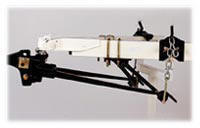
A lot of owners confuse two different jobs. Weight distribution puts load back on the truck’s front axle and helps level the rig. Sway control reduces the trailer’s tendency to pivot side to side. Many modern weight distribution hitches build sway control into the same system, but they are not the same function.
What actually causes trailer sway?
Sway usually starts with one of three things: the trailer is loaded wrong, the hitch setup is marginal, or outside forces overcome a lightly controlled trailer. Crosswinds, passing trucks, rough pavement, downhill speed, and sudden steering inputs can all trigger it.
The biggest setup issue is low tongue weight. If the trailer is too light on the hitch ball, it gets easier for the trailer to wag the truck. Most bumper-pull trailers want about 10 to 15 percent of total trailer weight on the tongue. Too little is trouble. Too much can overload the truck and create its own handling problems.
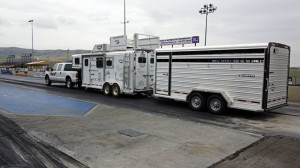
Trailer length matters too. Long boxy RVs and horse trailers catch more wind and generate more leverage against the hitch. A short pickup towing a long trailer is naturally at more disadvantage than a long-wheelbase truck pulling the same load.
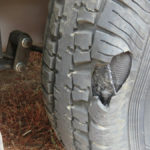
Tires get overlooked. Soft passenger-rated truck tires, underinflated trailer tires, worn suspension parts, or too much rear sag all make the combination less stable. Sway control helps, but it cannot fix a bad foundation.
When sway control makes the most sense
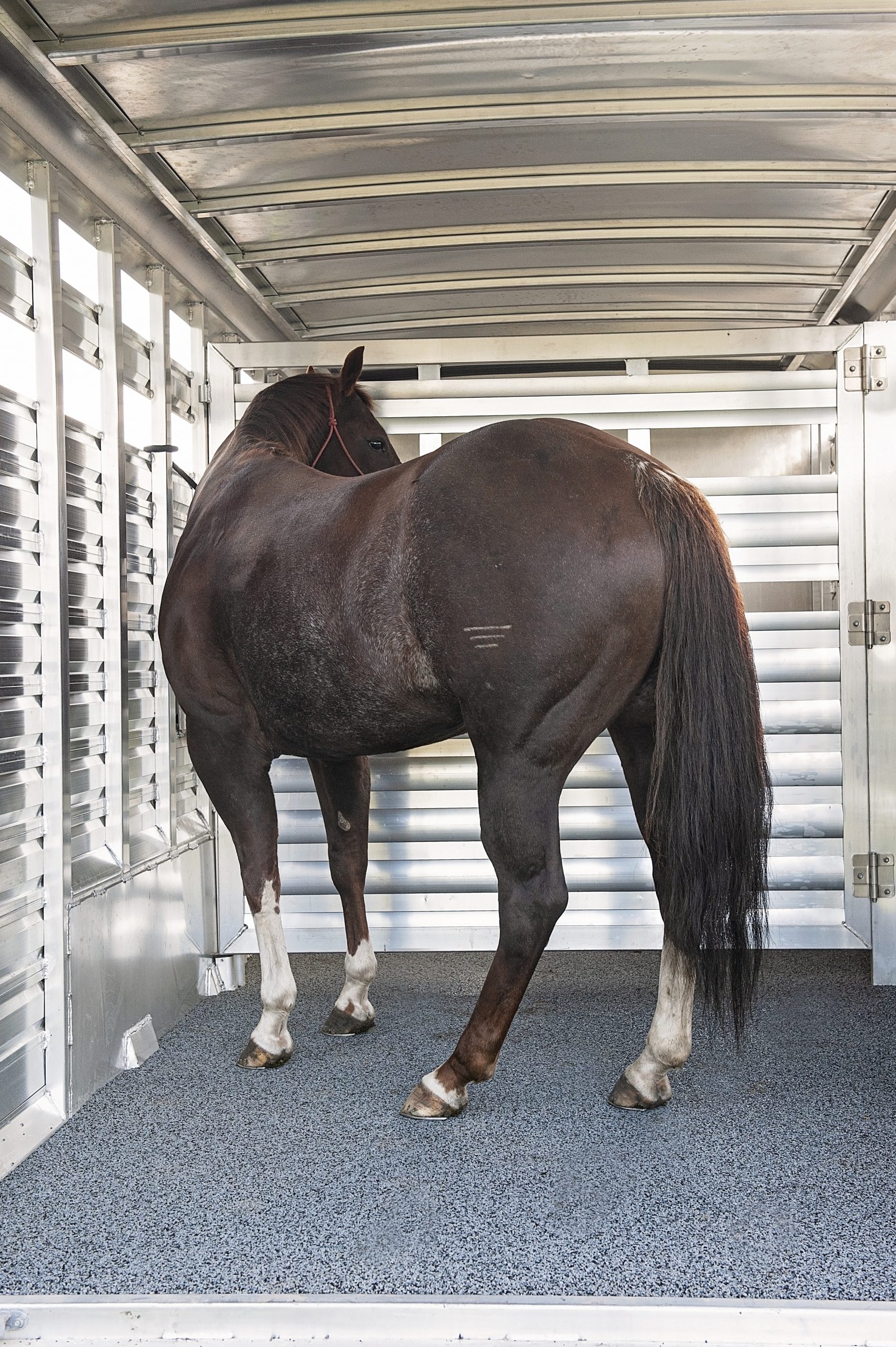
If you tow a travel trailer, a tall enclosed trailer, or a horse trailer at highway speeds, sway control is usually worth having. These trailers have side area, length, and weight transfer that can make them more reactive than owners expect.
It also makes sense when your truck is towing near the upper half of its comfortable range. Notice I said comfortable range, not just the brochure max tow rating. Real-world towing is about stability and control, not just whether the truck can pull the load on paper.
Half-ton pickups are the most common case. Many do a good job towing moderate trailers, but they benefit from a properly matched weight distribution hitch with built-in sway control. Shorter wheelbase SUVs and short-bed trucks can benefit even more.
If you tow only a few times a year, that is not a reason to skip sway control. Inexperience is one more reason to stack the odds in your favor. The less seat time you have, the more you should value equipment that makes the rig calmer and more forgiving.
When you may not need sway control
There are setups that naturally tow stable enough without it. A properly loaded equipment trailer with a low center of gravity behind a three-quarter-ton or one-ton truck may not need extra sway control. The same goes for some short utility trailers that carry compact loads and maintain good tongue weight.
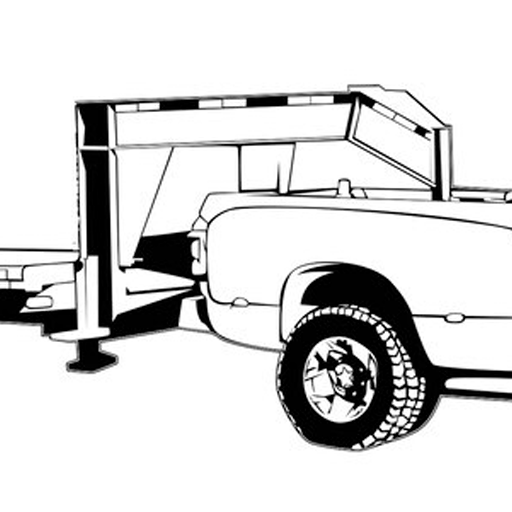
Fifth-wheel and gooseneck trailers are a different category. Because the hitch point sits over or just ahead of the rear axle, these trailers are far less prone to sway than bumper-pull trailers. That does not make them immune to poor loading or bad handling, but they usually do not rely on the same sway control devices.
That said, “may not need” is not the same as “never needed.” A bumper-pull trailer that has behaved well for years can start swaying after one bad load job, one suspension change, or one set of underinflated tires.
Signs your trailer setup wants sway control
The warning signs are usually obvious once you know what they are. If the trailer feels busy behind the truck, reacts strongly to passing semis, or needs constant steering correction, you are not as stable as you should be. If the rear of the truck squats and the front end feels lighter, you may need weight distribution and sway control together.
Look at your loading habits too. If your cargo position changes from trip to trip, or if you are towing water, feed, tools, camping gear, or horses with varying balance, your tongue weight may not stay consistent. A more forgiving hitch setup can help cover the real-world variation that comes with actual use.
Another sign is speed sensitivity. If the trailer feels acceptable at 55 mph but starts moving around at 62 to 65, that is a clue. The issue may still be loading or tire pressure, but it often means the combination needs better control.
What kind of sway control works best?
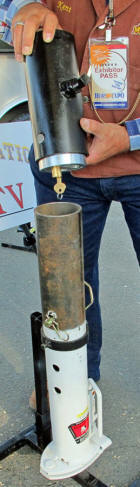
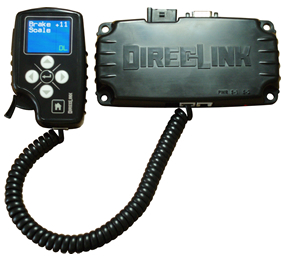
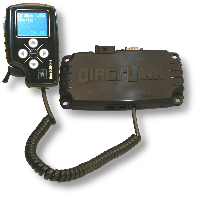
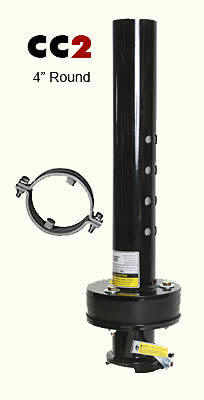
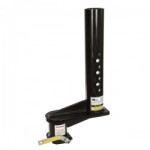
Tuson Trailer Sway Control Module: Full Product Review and Exclusive Sales
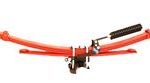
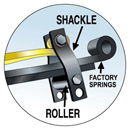
For lighter trailers, a basic friction sway control bar can help. It adds resistance to trailer movement and can be enough for modest setups. The downside is that it is a simpler, older-style solution with limits. It is not what I recommend first for larger travel trailers or heavier bumper-pull loads.
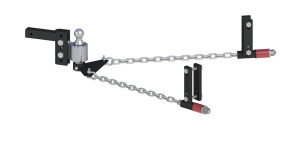
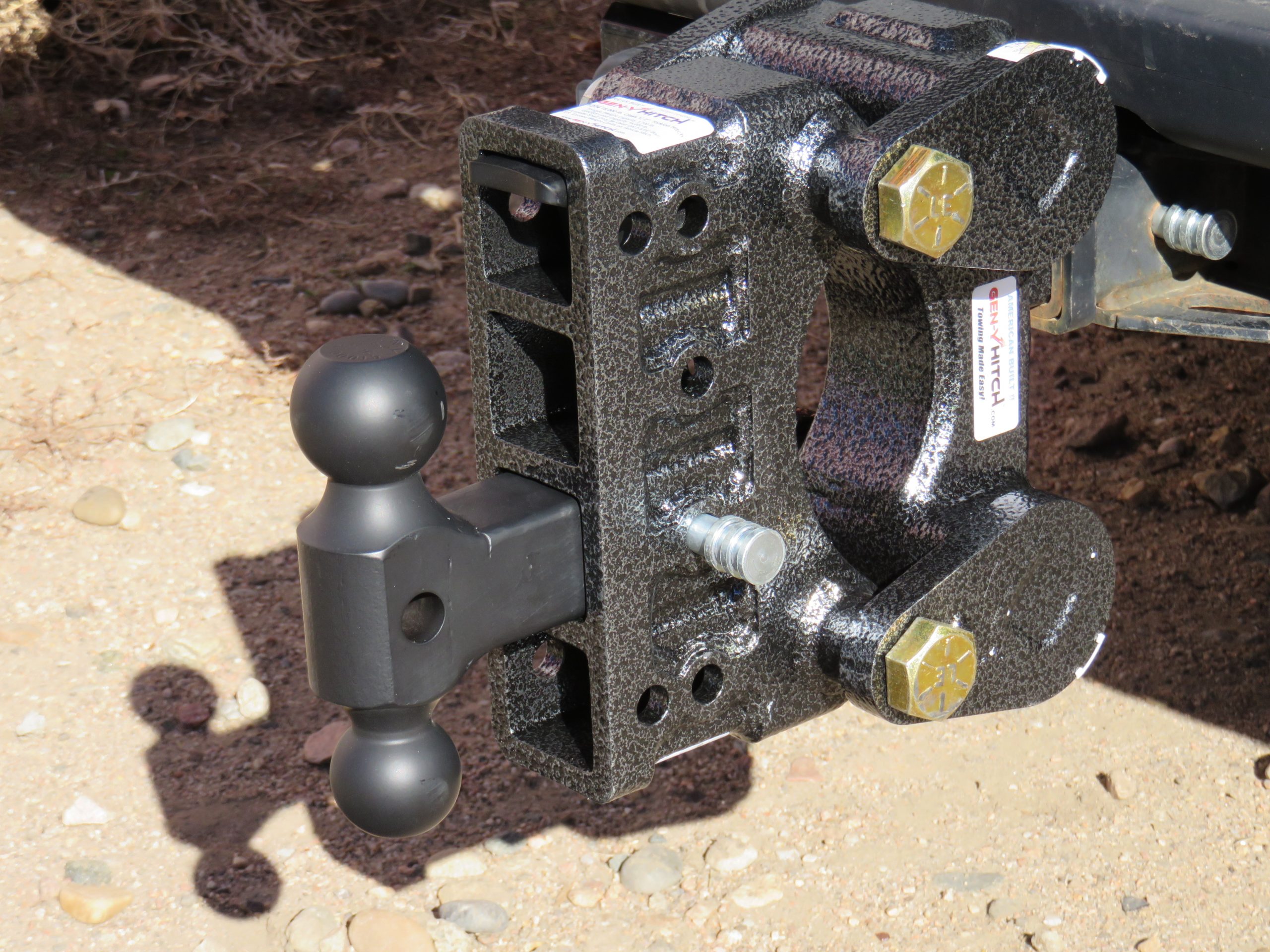
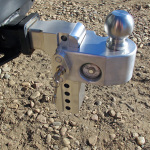
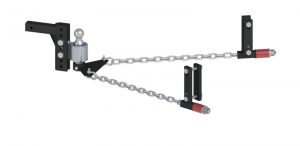
Integrated weight distribution hitches with built-in sway control are the better answer for most serious towing. These systems combine spring bars with sway resistance designed into the hitch head or brackets. They do a better job of managing weight transfer and resisting trailer yaw under normal highway conditions.
Not all sway control systems feel the same on the road. Some are quieter, some are more aggressive, and some handle backing and wet conditions better than others. What matters most is matching the hitch rating and design to the actual loaded trailer, not the empty brochure weight.
Sway control is not a substitute for proper setup
This is where some owners get disappointed. They buy sway control expecting it to cure every bad towing habit and every mismatch. It will not.
If the trailer is tail-heavy, fix the load. If tongue weight is too low, move cargo forward. If the truck is overloaded, reduce weight or move to the right truck. If the tires are wrong or underinflated, correct them. If the hitch height is off, set it properly. Sway control should be part of a balanced towing package, not the bandage for an unsafe one.
Brake controller adjustment matters too. So does trailer brake condition. A trailer that can help itself stay in line under braking is easier to manage than one that pushes the truck downhill.
So, do I need sway control?
If you tow a conventional bumper-pull trailer that is long, tall, or loaded anywhere near serious highway use, the honest answer is probably yes. If you tow a compact, low-profile trailer with solid tongue weight behind a heavy pickup, maybe not. Most people asking the question are not towing a tiny lawn trailer. They are towing campers, cargo trailers, horse trailers, or work trailers where stability matters every mile.
My advice is simple: do not wait for a real sway event to make the decision for you. Build the safest, calmest towing setup you can before the weather, traffic, or road makes the choice. Good sway control does not just reduce drama. It reduces fatigue, improves steering confidence, and makes the whole rig easier to live with.
If you need help choosing the right sway control or weight distribution setup for your truck and trailer, visit our store at https://Store.MrTruck.com. The right hitch setup is cheaper than one bad trip home.