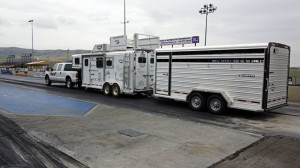



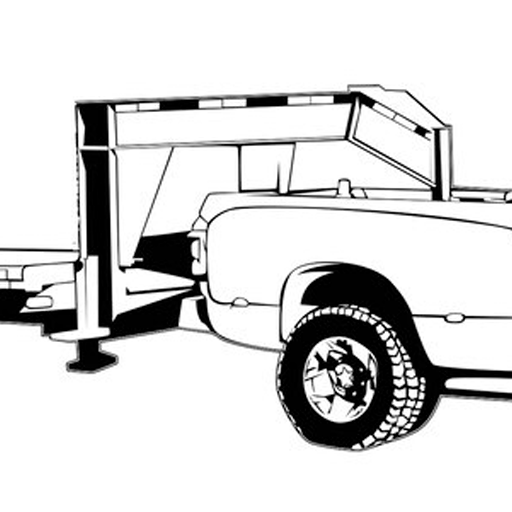
A gooseneck that jerks the truck hard enough to toss your coffee is not just making the drive miserable. It is telling you that the truck and trailer are fighting each other. If you are asking, why is my gooseneck bucking, start by treating it as a setup and loading problem until proven otherwise. Most bucking can be reduced substantially, and sometimes eliminated, without buying a bigger truck or replacing a perfectly good trailer.
The key is identifying when it happens. Does it buck only on concrete expansion joints? Is it worse when the trailer is empty? Does it start under braking, on rolling roads, or at one particular speed? Those details point you toward the real cause.
What Gooseneck Bucking Actually Means
Owners use “bucking” to describe several different motions. True bucking is a fore-and-aft shove between truck and trailer. You feel it as a sharp push, then a pull, often over uneven pavement. It is also called chucking or surging.
Porpoising is different. That is the up-and-down rocking motion where the truck and trailer take turns lifting and dropping. A trailer can do both at once, especially when the load is light on the pin and the road has repeating dips or bridge joints.
A little movement is normal with a heavy trailer. A gooseneck does not have the built-in spring action of a weight-distribution hitch. But hard, repeated impacts through the truck frame, hitch, and trailer tongue are not something to accept as “just how it tows.” They fatigue equipment, wear out passengers, and can make control worse when you need to brake or make a quick correction.
The Most Common Reason Your Gooseneck Is Bucking
The usual culprit is an unbalanced trailer load. A gooseneck needs enough pin weight to keep the trailer planted and stable, but not so much that it overloads the truck’s rear axle, tires, or suspension. For many flatbed and equipment trailers, roughly 15 to 25 percent of loaded trailer weight on the gooseneck ball is a useful working range. The ideal number depends on trailer design, axle placement, cargo, and the truck carrying it.
Too little pin weight lets the trailer pivot around its axles. When the trailer hits a bump, it can shove forward against the truck and then snap back. This is especially common when equipment is loaded too far rearward, a hay trailer is loaded unevenly, or a horse trailer is being towed nearly empty.
Too much pin weight can cause trouble too. When the rear suspension is compressed excessively, the truck may pitch over bumps and set up a rocking cycle with the trailer. Airbags can level the truck, but they do not magically correct a bad load balance. In fact, airing them up too far can make the rear suspension stiffer and transmit more impact into the cab.
Before changing parts, weigh the truck and trailer loaded exactly as you tow them. Get individual axle weights if possible. Guessing from how level the truck looks is not a substitute for knowing what is on the pin and each axle.
Load Position Matters More Than Many Owners Expect
Moving a skid steer, tractor, side-by-side, or palletized load even a foot can change how a gooseneck behaves. Load the cargo with the trailer’s axle location in mind, then confirm that the weight distribution is appropriate.
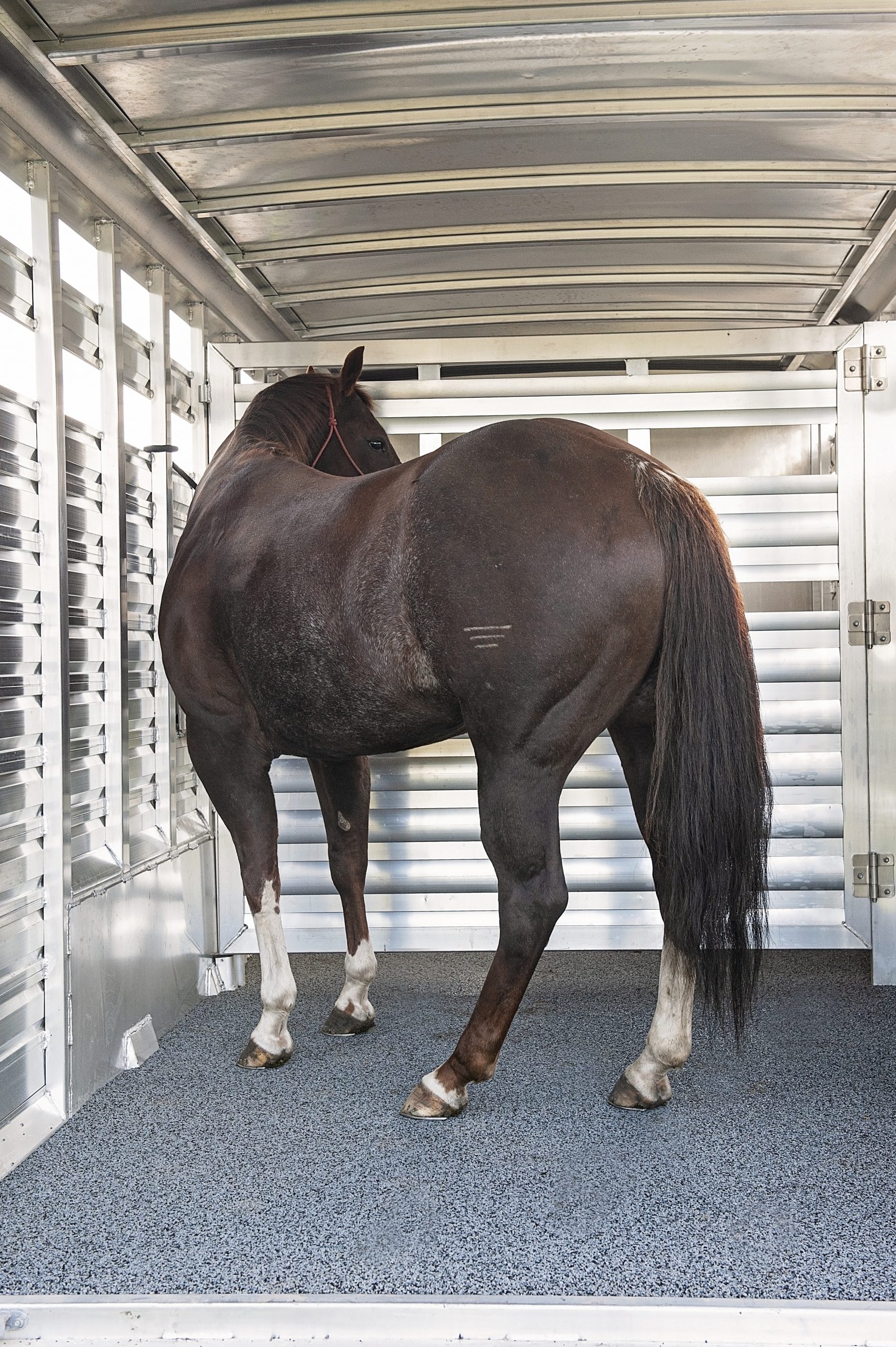
For a horse trailer, the situation is less simple because the load can move. Water tanks, tack, hay, and the number and location of horses all affect pin weight. If the trailer bucks mostly when it is empty or lightly loaded, that may be a trailer-suspension issue as much as a loading issue. Still, make sure storage compartments are not putting heavy items at the very rear.
Check Hitch Height and Trailer Attitude
A gooseneck trailer should generally run level or very slightly nose-high when loaded. If the nose is noticeably high, more weight shifts toward the rear trailer axle. That can reduce pin weight and make chucking worse. If the nose is too low, the trailer can overload the front axle and place excessive weight on the truck.
Park on level ground, load the trailer as usual, and look at the trailer frame rather than the fenders. Measure the frame ahead of the axles and behind them if you want a clear answer. Then adjust the coupler or ball height as needed.
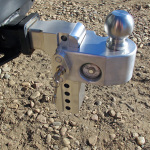
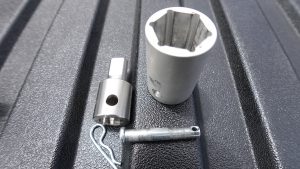
Also inspect the hitch connection itself. The coupler should fully seat and latch securely on the correct ball size. A worn, loose, or poorly adjusted coupler creates extra free play. That slack turns ordinary road movement into a noticeable bang and jerk. Look for wear at the ball, coupler socket, safety-chain attachment points, and hitch mounting hardware in the truck bed.
Why Is My Gooseneck Bucking on Certain Roads?
Concrete highways with evenly spaced joints can expose a mismatch between the truck suspension and trailer suspension. At a certain speed, each axle hits the next joint at just the right time to reinforce the prior bounce. That is why a rig can feel acceptable at 58 mph and miserable at 63 mph on the same stretch of road.
Do not try to power through that rhythm. Safely changing speed by a few mph can immediately interrupt it. That is a useful diagnostic clue, but it is not the permanent repair. If the rig bucks severely at normal highway speeds, inspect loading, trailer level, tire pressures, suspension condition, and hitch play.
Road sensitivity is usually worse with an empty trailer. Heavy-duty trailer springs are designed to carry a load. With little weight on them, they can be stiff and reactive. An empty gooseneck may never ride like a loaded one, but it should not beat the truck like a jackhammer.
Tires, Shocks, and Suspension Can Make the Problem Worse
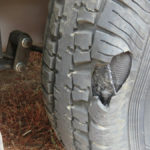
Tire pressure is a common overlooked factor. Overinflated trailer tires are less able to absorb sharp impacts, particularly on an empty or lightly loaded trailer. Underinflation is far more dangerous because it builds heat and can lead to a blowout. Set truck and trailer tires according to actual axle load, tire load tables, and the tire manufacturer’s specifications. Do not lower pressure below what the load requires just to soften the ride.
On the truck, worn rear shocks allow uncontrolled rebound. The truck may squat, rise, and keep oscillating after a bump. That movement transfers directly to the gooseneck. On the trailer, inspect spring packs, equalizers, bushings, hangers, U-bolts, and axle alignment. Cracked equalizers, worn plastic bushings, loose U-bolts, or a bent axle can create unpredictable motion that looks like a load problem.
Do not overlook the truck’s rear suspension either. Broken leaf-spring components, loose sway-bar links, deteriorated control-arm bushings on certain trucks, or aftermarket lift components that changed pinion and suspension geometry can all contribute. A level-looking truck is not necessarily a properly controlled truck.
Brake Controller Settings Matter During Surging
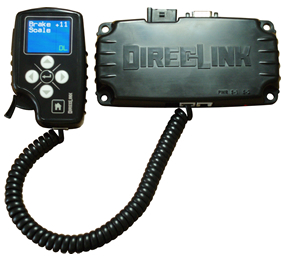
If the bucking is strongest when slowing down, inspect the trailer brakes and brake controller. Too much trailer-brake gain can make the trailer grab and pull against the truck. Too little gain lets the trailer push the truck before the brakes catch up. Either condition can feel like a repeated shove.
Set gain with the trailer loaded on a safe, open stretch of pavement. You want firm, even braking without trailer-wheel lockup. If one trailer wheel locks before the others, or braking feels uneven, inspect brake adjustment, wiring, magnets or calipers, and tire condition. A brake issue is not something to tune around with the controller.
A Practical Order for Finding the Fix
Start with the basics before spending money. Load the trailer properly, verify pin and axle weights, and make sure the trailer runs level. Then inspect the ball, coupler, and mounting hardware for wear or movement. Check tire condition and pressures, followed by truck shocks and the trailer’s suspension components.
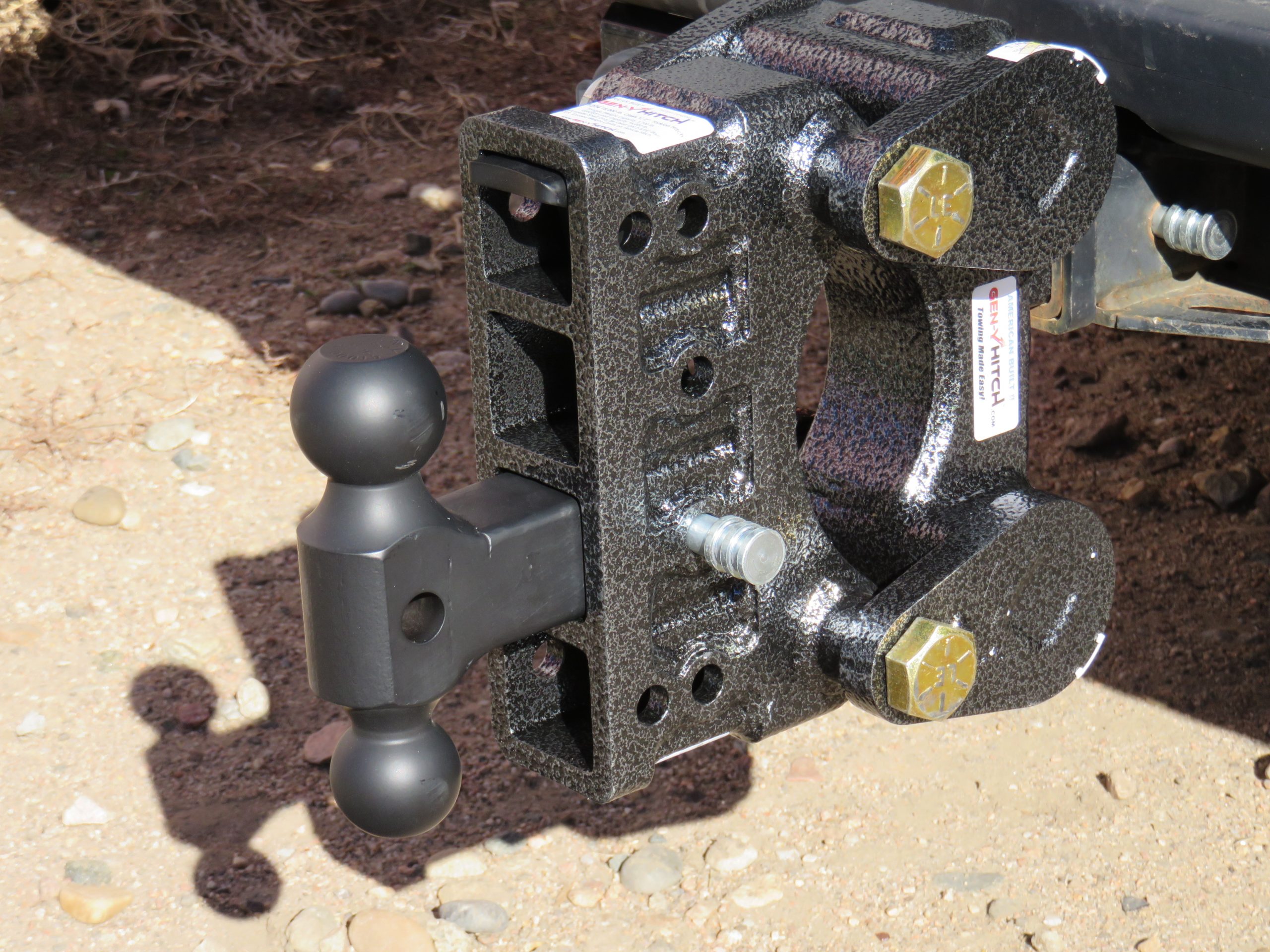
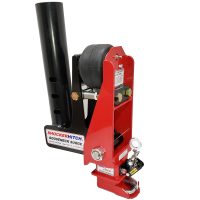
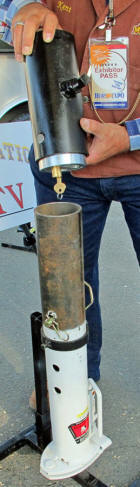
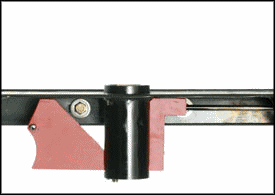
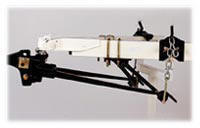
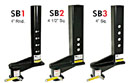
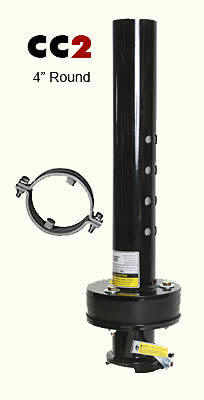
If those items are right but the truck still takes hard hits, consider the hitch system. A quality cushioned gooseneck coupler or an air-ride pin box style system can reduce the sharp transfer of energy between trailer and truck. They work best when the underlying setup is already correct. They are not a cure for a rear-heavy trailer, loose coupler, weak shocks, or overloaded truck.
The same goes for airbags. They can be valuable for maintaining ride height and headlight aim under pin weight, but they should support a sound suspension setup rather than mask an overloaded rear axle. Use onboard air pressure conservatively, and verify the truck remains within its payload, rear axle, wheel, and tire ratings.
A good gooseneck tow should feel settled, not dead rigid. The truck and trailer will move over rough pavement, but they should move as one controlled unit. Fix the cause of the motion instead of adding parts blindly, and your next long haul will be safer for the truck, the trailer, and everybody riding in them.
For proven towing equipment and practical help choosing the right setup, [Visit our store] (https://store.mrtruck.com/).