

If you are shopping for a lighter fifth-wheel hitch and you are tired of wrestling a 200-pound steel beast out of your truck bed, this Andersen hitch review gets right to the point. The Andersen design is different from a conventional jaw-style fifth-wheel hitch, and that difference is exactly why some owners love it and others move on.
The big draw is simple. Andersen gives you a cleaner truck bed, less lifting, and easier handling than a traditional fifth-wheel setup. For many RV owners, especially those towing with a short-bed pickup or using the truck as a daily driver when not towing, that matters a lot. But a hitch is not judged by convenience alone. It has to tow steady, fit your trailer correctly, and inspire confidence when the road gets rough.
Andersen hitch review: what makes it different
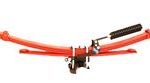
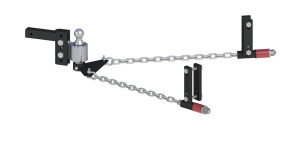
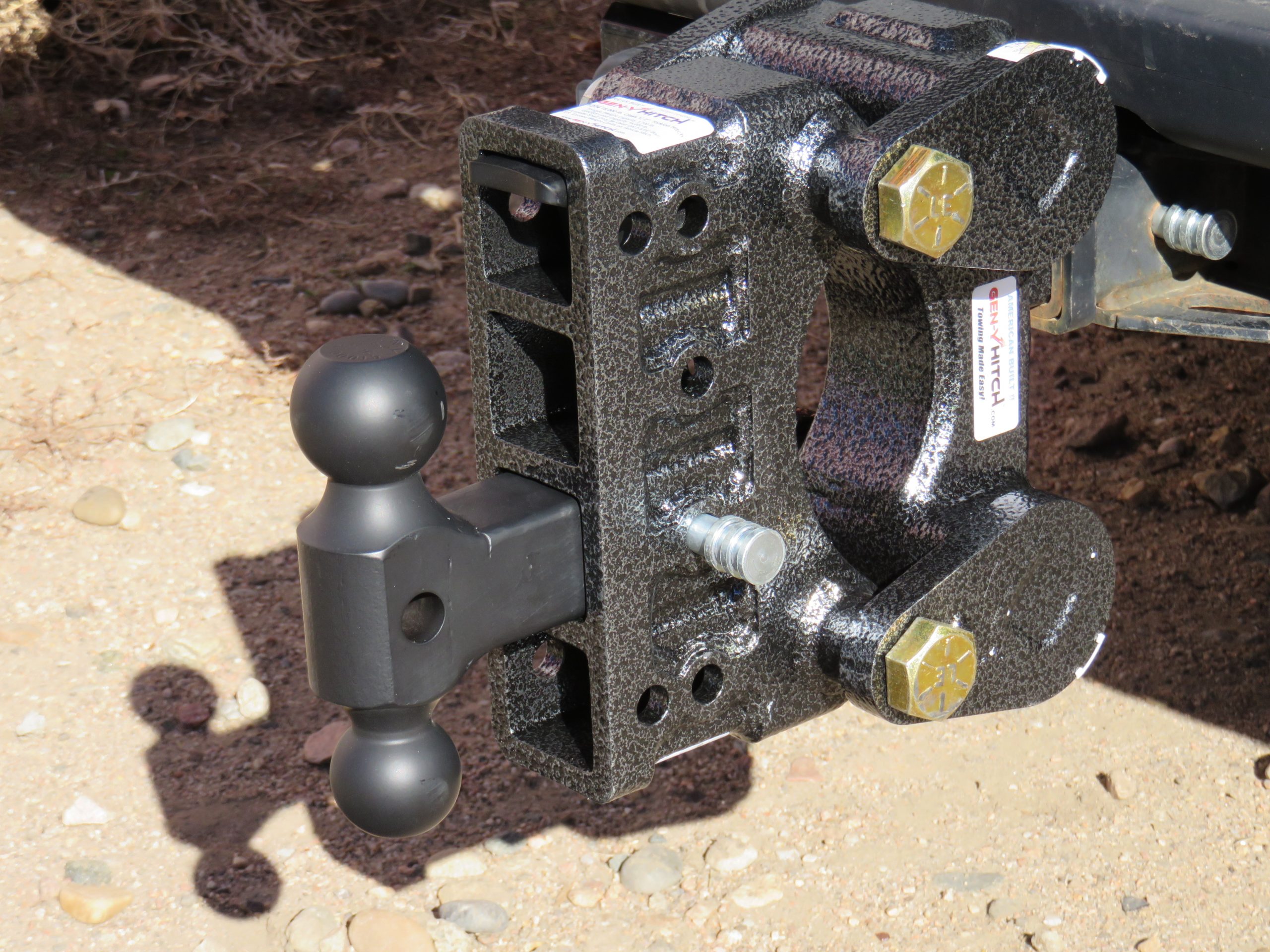
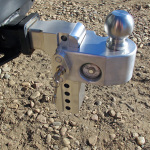
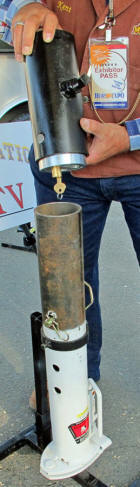
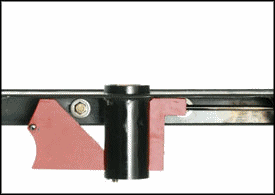
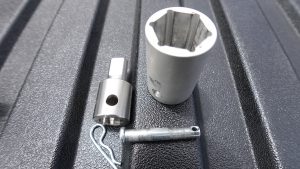
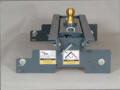
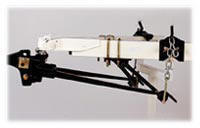
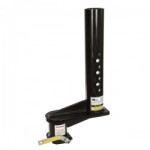
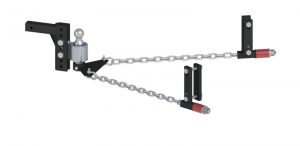
Andersen built its reputation around a lightweight aluminum hitch that uses a ball-and-coupler style connection instead of the more common kingpin jaws. Depending on the model, it mounts to industry-standard rails, OEM puck systems, or a gooseneck ball in the bed. That last version is what gets the most attention because it leaves the bed almost completely open when removed.
From a design standpoint, that is smart. Traditional fifth-wheel hitches are strong, but they are bulky, heavy, and awkward. Andersen went after ease of use. Most owners can remove the components without a second person, which is a real advantage if your truck has to switch between towing duty and work duty.
That lighter design also changes the feel of ownership. Installation is usually less intimidating, bed access is better, and maintenance is simpler. There is no giant hitch head taking up room, and there are fewer parts to grease compared with some conventional hitches.
Where the Andersen hitch works well
For the right truck and trailer combination, Andersen can be a very practical setup. If your trailer is within the hitch’s ratings, your pin box is compatible, and you value bed space, it checks some important boxes.
The first advantage is weight. A lot of RV owners are not interested in bench-pressing hitch components or dedicating half a day to removing a hitch. Andersen makes that part easier. If you are older, tow seasonally, or simply want less hassle, this is one of its strongest selling points.
The second advantage is bed usability. Remove the hitch and your bed is mostly back. That matters for truck owners who haul feed, tools, hay, generators, or building materials during the week and tow the camper on weekends. A giant hitch assembly is not just heavy – it gets in the way.
The third advantage is ride quality for some applications. Many users report smooth towing when the setup is dialed in correctly. The connection geometry is different, and some drivers like the way it behaves compared with a conventional hitch. That said, ride quality is one of those areas where trailer design, pin weight, suspension, and truck setup matter just as much as the hitch itself.
The trade-offs that matter
This is where a fair Andersen hitch review has to be honest. Lightweight and different are not always the same thing as better.
Some owners do not like the added motion or feel they get compared with a traditional jaw-style fifth-wheel hitch. A conventional hitch usually gives a very familiar, planted feel because the kingpin locks into jaws at the hitch head. Andersen’s system can feel different enough that experienced fifth-wheel owners notice it right away. That does not automatically mean unsafe or unstable, but it does mean personal comfort and setup quality matter.
Compatibility is another issue. Not every trailer manufacturer views every aftermarket hitch the same way, and not every pin box is a simple match. Before buying, you need to verify fitment with your trailer and understand exactly how the coupler assembly works with your pin box and frame geometry. This is not the product to buy first and research later.
There is also the question of heavy towing confidence. If you are towing a large, high-profile fifth wheel across mountain grades, windy plains, or rough secondary roads, some owners simply prefer the feel of a heavier conventional hitch. That preference is not irrational. Heavier hardware, a familiar locking mechanism, and a more traditional setup can inspire more confidence under demanding conditions.
Andersen hitch review: installation and daily use
Installation is one of Andersen’s better selling points, but only if you pay attention to detail. The process is generally straightforward, especially for anyone already comfortable with hitch work, torque specs, and bed measurements. But this is not a place to get casual. Ball height, coupler orientation, clearances, and torque all matter.
Hooking up is usually simple once you are used to the system. Many owners appreciate the visibility and the cleaner layout in the bed. It can feel less clumsy than lining up a traditional fifth-wheel head. Unhooking is also easy in normal conditions.
Where people get into trouble is assuming easy means foolproof. Hitching angles, trailer height, bed rail clearance, and tailgate clearance still need to be checked. Short-bed trucks especially need careful attention to cab-to-trailer clearance in tight turns. No hitch design cancels out poor geometry.
Who should buy an Andersen hitch
The Andersen hitch makes the most sense for the owner who values low weight, easy removal, and a clear truck bed almost as much as towing performance. If you tow a moderate-size fifth wheel, your trailer is a confirmed match, and you are not trying to build the toughest heavy-haul setup possible, Andersen can be a very good solution.
It is also a good fit for owners who physically do not want to fight with a heavy hitch anymore. That is not a small point. Plenty of truck owners can tow safely but do not want the strain of removing a conventional hitch. A product that gets used correctly because it is easier to manage has real value.
It can also work well for the multi-use truck owner. If your pickup hauls cargo all week and the RV only comes out on selected trips, Andersen’s easy removal becomes more than a convenience. It becomes part of how useful the truck stays.
Who should look at a conventional fifth-wheel hitch instead
If you tow a heavier fifth wheel, spend a lot of time on rough roads, or want the most traditional feel possible, a conventional hitch is still hard to beat. The extra weight and bulk are a nuisance, but they are often accepted by serious haulers who want that familiar locked-in feel.
The same goes for buyers who do not want to think much about compatibility. Standard fifth-wheel hitches are not all identical, but the basic design is well understood across the market. If you want fewer variables and you are willing to live with more hitch weight, conventional may be the better route.
There is also the matter of owner preference. Some people simply trust what they have used for years. In towing, confidence matters. If a hitch gives you second thoughts every time crosswinds hit, it may not be the right hitch for you even if it is technically rated for the job.
Our take on Andersen hitch value
Andersen deserves credit for solving a real problem. A lot of fifth-wheel hitches are too heavy, too awkward, and too intrusive in the bed. Andersen came at that problem with a fresh design and made towing more manageable for many owners.
But this is not a universal answer for every truck and every trailer. It is best viewed as a specialized solution with clear strengths and real limitations. If your priorities are ease of handling, truck bed access, and a lighter setup, it is worth serious consideration. If your priorities are maximum traditional hitch feel and confidence with larger trailers, there are stronger choices.
That is the honest middle ground. Andersen is neither a gimmick nor a one-size-fits-all winner. It is a smart hitch for the right application, and a questionable one for the wrong application.
Before you buy, match the hitch to the trailer, not just the brochure. Ratings matter, but so do pin box design, truck bed length, turning clearance, and how you actually tow. Weekend campground travel is one thing. Long-distance hauling in crosswinds and uneven roads is another.
If you want help choosing the right towing setup, parts, or hitch for your truck and trailer, shop proven towing gear at https://Store.MrTruck.com . A good hitch should make every mile less stressful, not give you something new to worry about.