

A loaded trailer that starts pushing the back of your truck around is no place to learn what hitch type you should have bought. The bumper pull vs gooseneck decision affects how a trailer handles crosswinds, braking, sharp turns, payload, parking, and the kind of truck you need to pull it safely.
For many owners, a bumper pull is the sensible answer. For others, especially people moving livestock, equipment, or large RV trailers, a gooseneck is worth the added truck commitment. Neither is automatically better. The right one is the hitch system that matches your real trailer weight, cargo, route, and frequency of use.
Bumper Pull vs Gooseneck: The Basic Difference
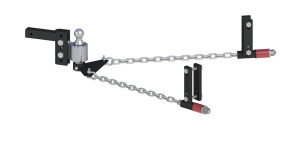
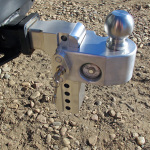
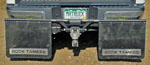
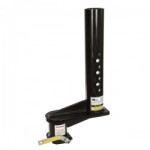
A bumper pull trailer connects to a receiver hitch behind the truck’s rear bumper. Despite the name, it should not be attached to the bumper itself. The hitch ball mounts in a receiver, commonly with a ball mount or a weight-distribution hitch. This setup is familiar, relatively affordable, and works with a wide range of SUVs, half-ton pickups, and heavy-duty trucks.
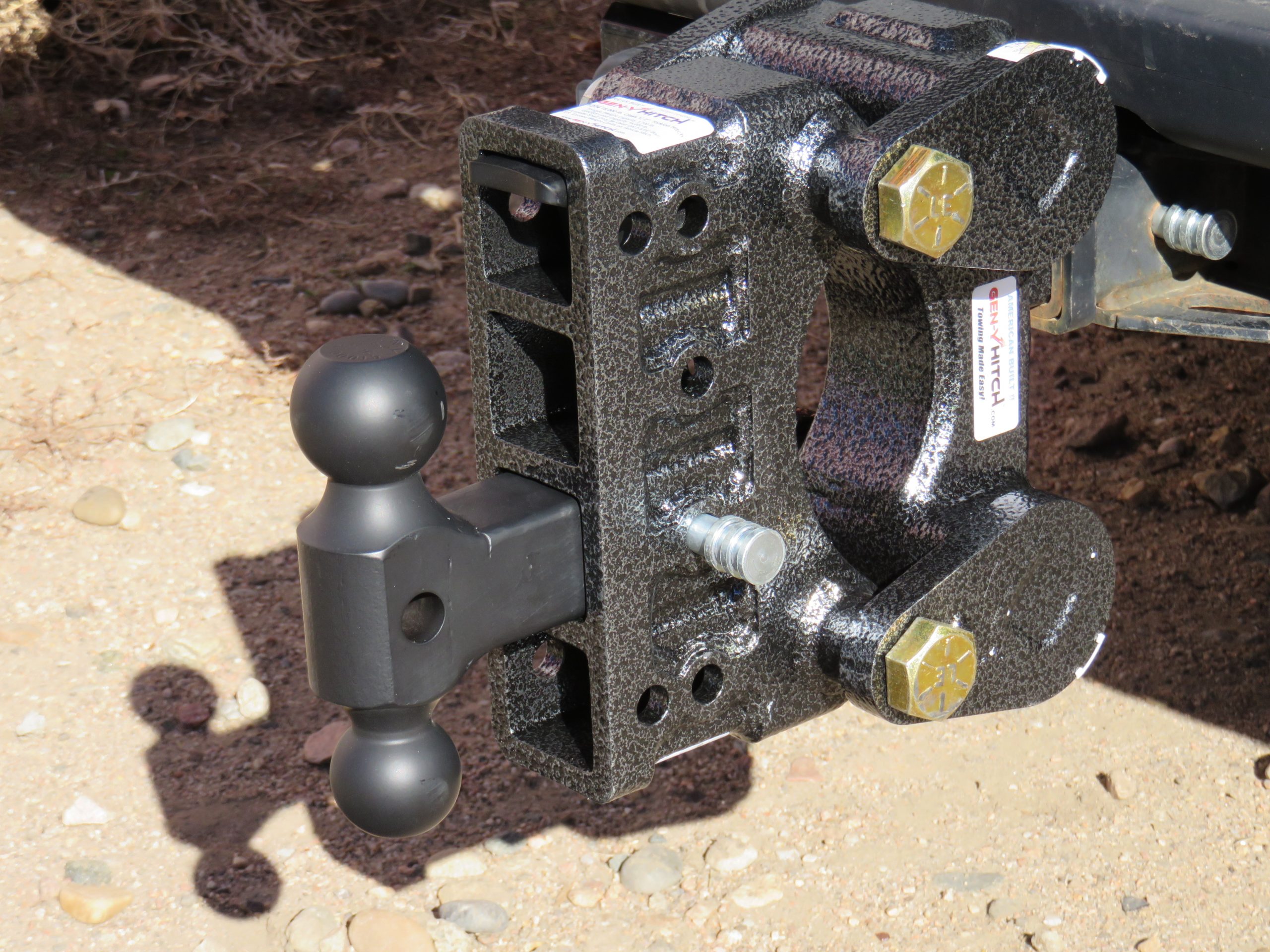
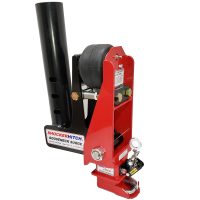
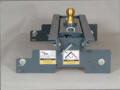
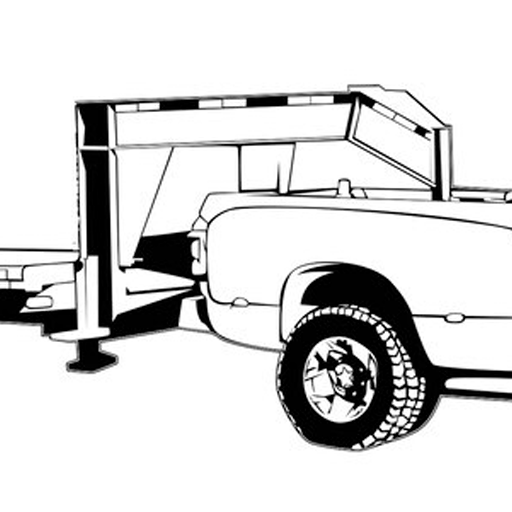
A gooseneck trailer connects to a hitch ball mounted in the pickup bed, usually over or slightly ahead of the rear axle. That location changes the physics. Instead of putting much of the trailer’s tongue weight behind the truck, it places pin weight directly on the truck’s frame and rear axle area. Properly matched, that gives a heavy trailer more stability and better control. https://store.mrtruck.com/
The hitch position is the whole story. It determines leverage on the truck, available bed space, turning behavior, and how much trailer each combination can handle.
Why Goosenecks Usually Feel More Stable
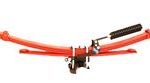
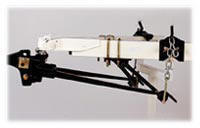
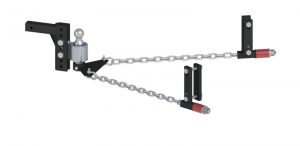
With a bumper pull, the tongue weight acts behind the rear axle. A properly adjusted weight-distribution hitch can transfer some load back to the front axle and trailer axles, which is a major safety improvement on many medium-duty towing setups. But the trailer still has a longer lever arm behind the truck.
A gooseneck carries its load over the bed, closer to the truck’s center of control. That usually makes it less prone to sway when hauling a long, heavy trailer. It also makes the combination feel more settled when passing semis, running in gusty wind, or traveling downhill with a loaded equipment or horse trailer.
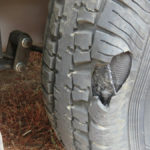
That does not mean a gooseneck cannot sway. Bad loading, underinflated tires, worn suspension parts, a trailer with brake problems, or excessive speed can make any rig unstable. A gooseneck gives you a better starting point, not permission to ignore loading and maintenance.
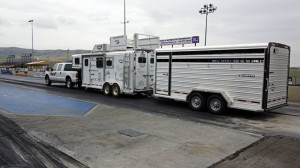
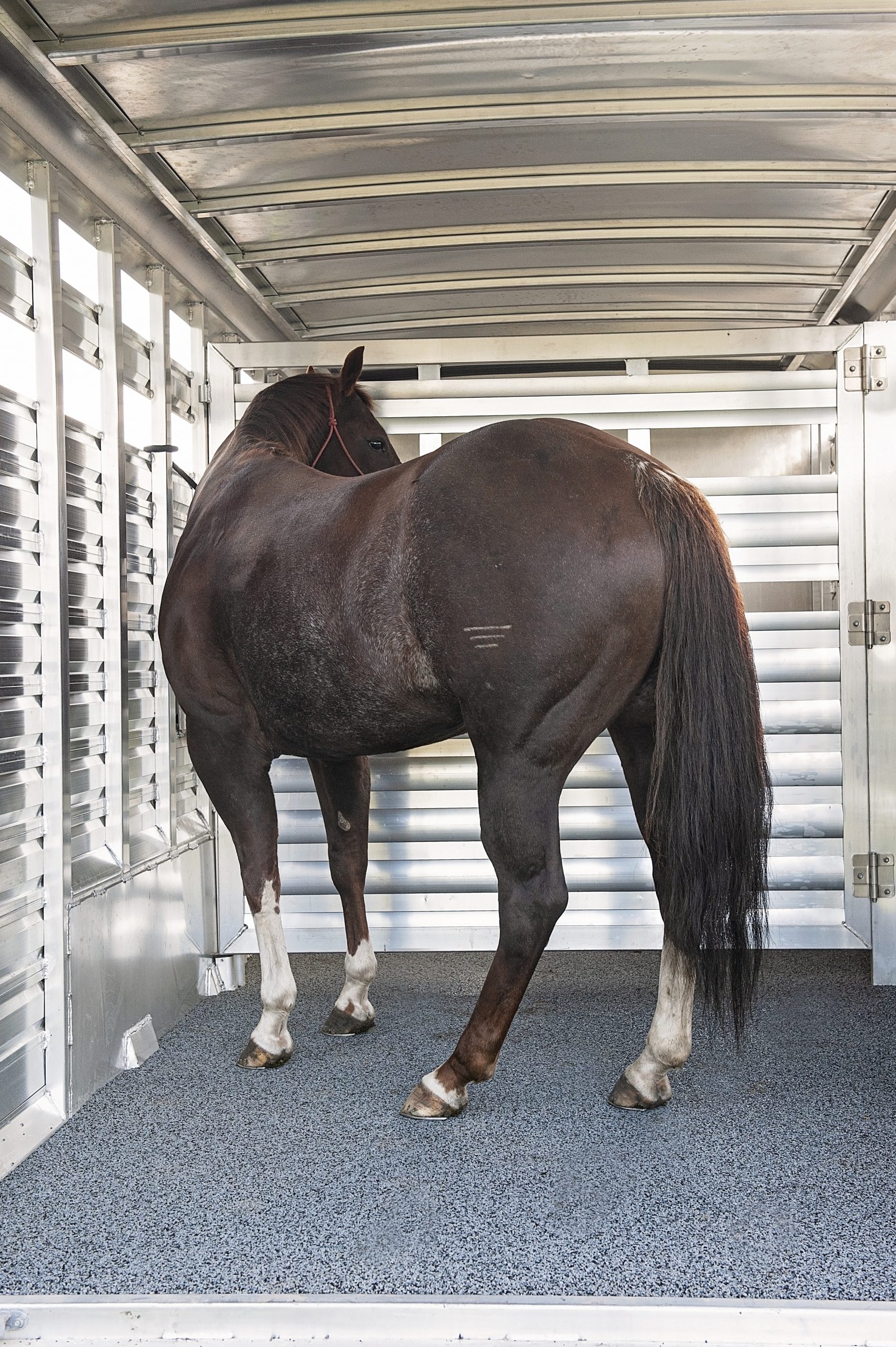
For a ranch operator hauling cattle, a contractor moving a skid steer, or a horse owner pulling a large living-quarters trailer, that added stability is usually the reason to choose gooseneck. Heavy loads move. Livestock shifts. Roads are not always smooth. A hitch arrangement that keeps the truck and trailer calmer is worth serious consideration.
Truck Fit Matters More Than the Trailer Label
A common mistake is shopping by advertised tow rating alone. Tow rating matters, but payload often decides whether the truck is a safe match.
Gooseneck trailers can put substantial pin weight in the bed. A loaded trailer may place 15% to 25% of its total weight on the hitch, depending on trailer design and cargo placement. That weight counts against the truck’s payload along with passengers, tools, auxiliary fuel tanks, bed accessories, and anything else in the cab or bed.
A three-quarter-ton truck may be capable of towing an impressive number on paper but still run out of payload with a large gooseneck and a family in the cab. One-ton single-rear-wheel trucks offer more room, while dual-rear-wheel trucks are often the better tool for heavy, tall, or long goosenecks because they bring more payload and rear-axle stability.
Bumper pulls are often easier to pair with lighter trucks. A well-set-up half-ton can tow a modest utility trailer, small camper, enclosed cargo trailer, or two-horse trailer very well. But once tongue weight climbs, the truck’s rear suspension squats, steering gets light, or the trailer starts controlling the truck, it is time to reassess the combination.
Check the truck’s tire-and-loading label, axle ratings, receiver rating, tire capacity, and the trailer’s actual loaded weight. Then weigh the complete setup. Guessing is cheap right up until it gets expensive.
Bed Space, Daily Driving, and Convenience
Bumper pull wins the convenience contest for many owners. You keep the truck bed open for cargo, and connecting a trailer is straightforward. If you change trailers often, a receiver hitch with the right ball mount can be quick and practical. It is also easier to move a bumper-pull trailer around with a jack and trailer dolly in tight storage areas.
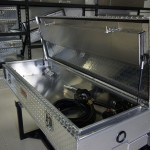
A gooseneck hitch occupies bed space, though modern under-bed systems can leave a mostly flat floor when the ball is removed. You still need to think about toolboxes, fifth-wheel hitch rails, bed covers, and cargo that could interfere with the trailer neck. If you use your pickup as a daily work truck, that trade-off deserves attention.
Goosenecks also turn differently. They can make tighter turns than bumper pulls, which is helpful when maneuvering around barns, job sites, and fuel islands. But the trailer’s front corners can approach the cab on very sharp turns, especially with short-bed trucks. Cab clearance is not something to assume. A properly designed trailer neck and compatible hitch setup are essential.
Cost and Setup Differences
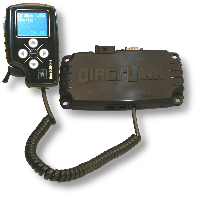
Bumper-pull equipment generally costs less to buy and install. Many trucks already have a receiver, and owners may only need the correct ball mount, hitch ball, wiring connection, and brake controller. For heavier bumper pulls, add a quality weight-distribution hitch with sway control rather than treating it as an optional accessory.
A gooseneck setup requires an in-bed hitch, installation labor or careful do-it-yourself work, and a truck with enough bed and payload capacity. The trailer itself may cost more, too. That upfront expense is justified when the trailer is used hard and loaded heavy, but it makes little sense for someone who tows a lightweight trailer a few weekends a year.
Do not buy a gooseneck strictly because it looks more serious. Likewise, do not stay with a bumper pull because the truck you own has a receiver. The hitch should follow the job, and sometimes the job requires a different truck.
When a Bumper Pull Is the Better Choice
A bumper pull is often the right answer for smaller utility trailers, landscape trailers, compact equipment trailers, modest campers, enclosed trailers, and lighter horse trailers. It is especially practical when you need an open truck bed, tow with more than one vehicle, or want the simplest path to occasional towing.
It can also be an excellent choice for medium-size travel trailers when paired with the right truck and a correctly adjusted weight-distribution hitch. The key word is correctly. Measure trailer tongue weight, set the hitch according to the manufacturer’s instructions, verify front-axle load restoration, and test the rig before a long trip.
When a Gooseneck Earns Its Keep
Choose gooseneck when your work regularly involves substantial trailer weight, long trailers, shifting livestock, heavy equipment, or frequent highway miles. It is the natural choice for many flatbeds, stock trailers, large horse trailers, and equipment trailers because stability, payload management, and control matter more than preserving an empty bed.
It is also a better long-term fit when you know your hauling needs will grow. Buying a truck and trailer combination with some real capacity margin is smarter than running at the edge of every rating. Margin helps with passengers, gear, rough roads, hot weather, steep grades, and the unexpected cargo that always seems to join the trip.
The Best Choice Is the One You Can Load Correctly
No hitch type fixes poor loading. Keep heavy cargo low and positioned to maintain proper tongue or pin weight. Secure every machine, bale, crate, and piece of gear. Confirm that trailer brakes work on all axles, tires are properly inflated, safety chains or breakaway equipment are correctly connected, and the brake controller is adjusted before you reach highway speed.
If your trailer is light enough for a bumper pull and your truck is properly equipped, there is no reason to overcomplicate it. If you are routinely hauling heavy, tall, or valuable loads, a gooseneck and a truck built to carry its pin weight can provide a noticeably calmer, safer ride.
Before the next haul, inspect the parts that keep your truck and trailer under control – hitch hardware, brake controls, suspension support, tire monitoring, and trailer security. Visit the MrTruck Store for towing equipment selected for owners who expect their gear to work when the load is on. https://store.mrtruck.com/