

A trailer starts talking before it fails. The problem is that most tow rigs still are not listening very well. A hot wheel bearing, a soft trailer tire, a brake that is dragging on one axle, a coupler that was not fully latched – all of those issues usually give warning signs before they become a roadside mess or a serious crash. That is why the future of trailer safety tech is not just about adding gadgets. It is about catching problems early enough to matter.
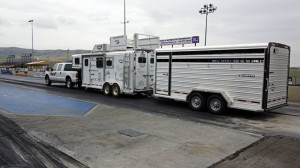
If you tow an RV, horse trailer, equipment trailer, or a loaded gooseneck, you already know the hard truth. Safety does not come from one miracle part. It comes from layers – better visibility, better braking, better tire monitoring, stronger theft protection, and smarter alerts that help the driver react before a bad situation gets expensive.
Where the future of trailer safety tech is really heading
A lot of marketing around trailer electronics makes it sound like towing is about to become fully automatic. That is oversold. Trucks are getting more capable, but trailers still live hard lives. They sit outside, get backed into rough spots, haul uneven loads, and spend years dealing with moisture, corrosion, road shock, and rushed maintenance. So the real future is not flashy automation for its own sake. It is durable, field-worthy systems that survive real towing.
The biggest shift will be integration. Right now, many owners piece together safety from separate products – a tire pressure monitoring system, a rear camera, a brake controller, a theft lock, and maybe a battery monitor. Going forward, those systems will increasingly share information. Your truck screen, your phone, and the trailer itself will work more like one system.
That matters because a single alert is useful, but a connected warning is better. Low tire pressure is one thing. Low tire pressure combined with rising temperature on the same wheel, while the trailer begins tracking poorly under braking, tells a much more serious story.
Smarter tire monitoring will do more than warn about pressure
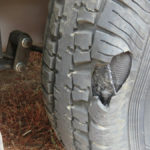
Trailer tire problems are still near the top of the list for roadside failures. Any experienced tower knows that pressure alone is not the whole story. Heat kills trailer tires, and heat comes from several places – underinflation, overloading, bad alignment, worn suspension parts, dragging brakes, or failing bearings.
That is why the next step in tire monitoring is more meaningful data, not just more beeps. Better systems are already getting more reliable on signal strength, battery life, and sensor accuracy. The next generation will get better at trend detection. Instead of waiting for a tire to hit a critical threshold, the system will flag a developing problem sooner.
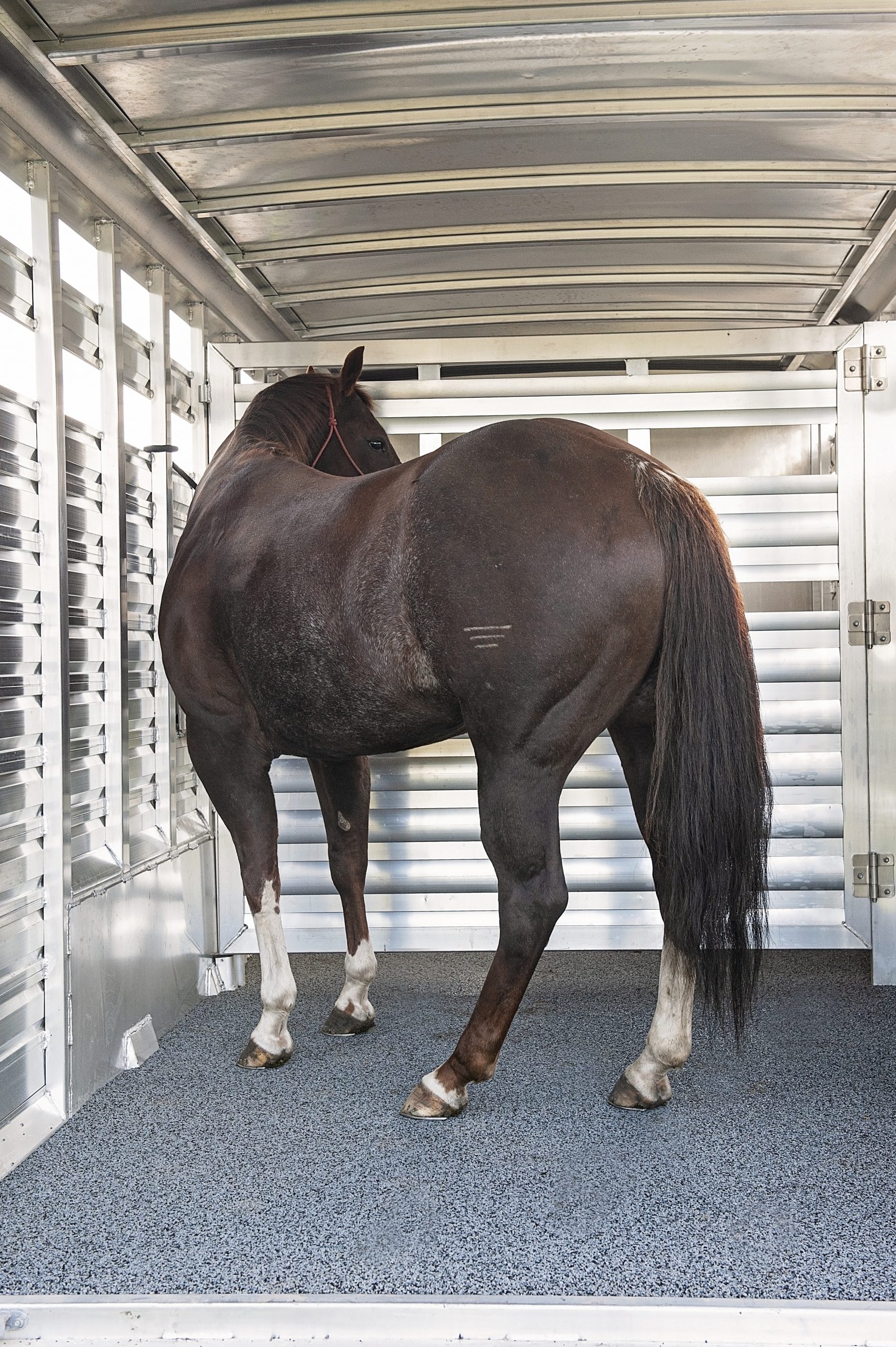
For serious haulers, that is a big deal. A horse trailer owner wants warning before a tire gets dangerous, not after. An RV owner crossing long grades wants to know which wheel is heating up first. A contractor towing daily wants fewer breakdowns and less guesswork. Good TPMS systems are already worth the money. The future version will be less reactive and more predictive.
Cameras are moving from convenience to true safety equipment
Trailer cameras used to be treated like a nice extra for backing. They still help there, but that is no longer the main story. Better side-view and rear-view camera systems are becoming real driving safety tools, especially for lane changes, blind spots, and watching trailer behavior in traffic.
This is especially useful with longer bumper-pull trailers and tall enclosed units that block rear visibility. A clean camera view can show sway starting before the driver fully feels it. It can also help confirm that cargo doors are shut, ramps stayed latched, and traffic behind the trailer is doing something stupid.
The trade-off is that camera systems need to be dependable. Wireless systems are easier to install, but not all wireless setups handle long trailers and interference equally well. Wired systems tend to be more stable, but installation is more involved. The future likely favors hybrid setups with stronger signal management, better night performance, and easier truck-screen integration.
Brake control is getting sharper, and it should
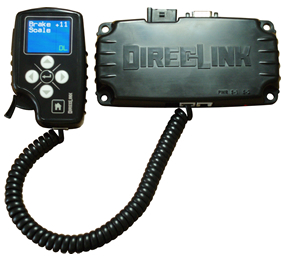
Trailer brakes are one area where technology can make a direct difference in stopping distance and control. Factory integrated brake controllers in newer trucks have improved a lot, and the better aftermarket units have become more refined as well. But there is still room for smarter trailer-specific response.
The future of trailer safety tech includes brake systems that adapt more intelligently to trailer load, grade, and behavior. That does not mean the driver stops being part of the equation. It means the system can react faster and with better balance. If the trailer starts to sway under braking or one axle is not responding like the others, better diagnostics should help identify it quickly.
Electric-over-hydraulic systems will also keep gaining ground in certain heavy-duty applications because they offer stronger, more controlled braking when properly matched. Not every trailer owner needs that setup. But for heavier rigs, repeated mountain towing, or commercial-style use, better braking feel and consistency are worth paying for.
Sway control will get more predictive, not just corrective
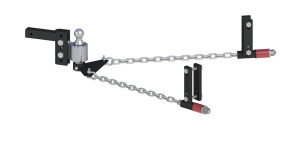
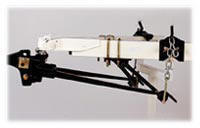
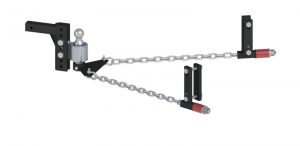
Anyone who has felt a trailer start wagging the truck understands how fast things can go bad. Weight distribution and sway control hitches already solve a lot of the problem when the trailer is matched and loaded correctly. That will not change. Mechanical setup still matters. Tongue weight still matters. Tire condition still matters.
What will improve is how electronics support the driver when something starts going wrong. Trucks already use stability systems that can detect sway and reduce it with selective braking and engine management. Expect those systems to get better at identifying the difference between normal trailer movement and the first stages of real instability.
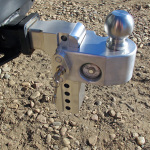
That said, no electronic system fixes bad loading, too much speed, or a poorly matched hitch. This is where some buyers get fooled. Trailer safety tech can help save a marginal situation, but it is not a license to ignore fundamentals. The best future setup is still built on correct hitching, proper suspension support, quality tires, and realistic tow ratings.
The coupler, jack, and breakaway system are overdue for upgrades
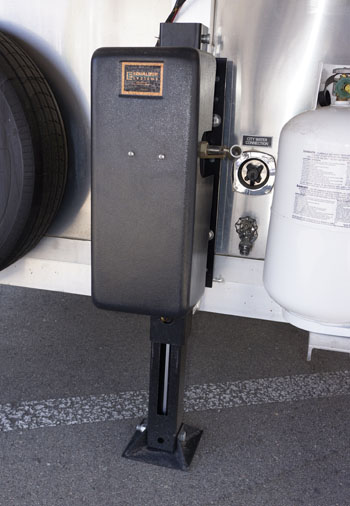
Some of the most valuable safety improvements will happen in less glamorous places. Coupler mis-latch incidents, failed breakaway batteries, and jack problems are not headline-grabbing tech stories, but they cause real trouble.
Expect more trailers to use smarter coupler confirmation systems, battery health monitoring for breakaway kits, and better status lights that tell the driver exactly what is armed, locked, charged, and connected. That kind of simple verification can prevent the kind of mistake that happens when somebody is in a hurry at dawn, in the rain, loading up for a trip.
This is one area where practical beats fancy every time. A clear warning that the breakaway battery is weak or the coupler is not fully secured may not sound exciting, but it can prevent a disaster.
Security tech will become part of safety tech
Trailer theft is not separate from safety. If a trailer disappears, gets tampered with, or is left with damaged wiring, brakes, or locks, the safety risk is obvious. More owners are starting to see trailer security as part of the same system.
The next wave will include better GPS tracking, tamper alerts, wheel and coupler lock integration, and battery-backed monitoring that stays active when the trailer is parked. Ranch owners, horse trailer users, and RV owners all benefit here, especially when trailers sit for stretches between trips.
The catch is power management and durability. A security device that drains batteries or quits after one wet winter is not much use. The best systems going forward will need to be simple, hard to defeat, and built for long-term outdoor use.
Data is coming, but too much of it will be a problem
There is no question that more trailer data is on the way. Load sensing, axle temperature, brake health, battery condition, and maintenance reminders all make sense. But there is a line between helpful information and dashboard clutter.
For most owners, the best trailer safety tech will not be the system with the most features. It will be the one that gives the right warning at the right time and stays quiet the rest of the trip. Good design matters. A serious tower does not need ten confusing alerts. He needs one accurate alert that he can trust.
That is the real standard the industry should aim for. Not novelty. Not gimmicks. Better information, fewer false alarms, and tougher hardware that holds up through years of towing.
The future of trailer safety tech looks promising, but the winners will be the products that work in wind, rain, dust, heat, and real highway miles. If you tow often, now is the time to think in layers: tires, brakes, visibility, hitch control, and security. Build a safer rig one proven upgrade at a time.
If you want towing equipment that has been reviewed with real-world safety in mind, shop proven trailer, hitch, suspension, and monitoring gear at https://Store.MrTruck.com .