


#image_Geny
A heavy trailer will tell you the truth about your hitch in the first few miles. If the truck bucks over bridge joints, the trailer pushes through rough pavement, or every dip feels like a hammer hit, the problem is not always the truck. In this Gen Y Hitch review, the real question is whether the torsion design does enough to improve control and ride quality to justify the price and extra weight.
For many truck owners, the answer is yes – but not for every trailer, every receiver, or every towing habit. Gen Y built its reputation on shock-absorbing hitches that target the harshness you feel when trailer and truck start working against each other. That matters most when you tow often, tow heavy, or spend long hours on broken highways where a standard ball mount can make the whole rig feel nervous and busy.
What makes the Gen Y Hitch different
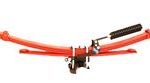
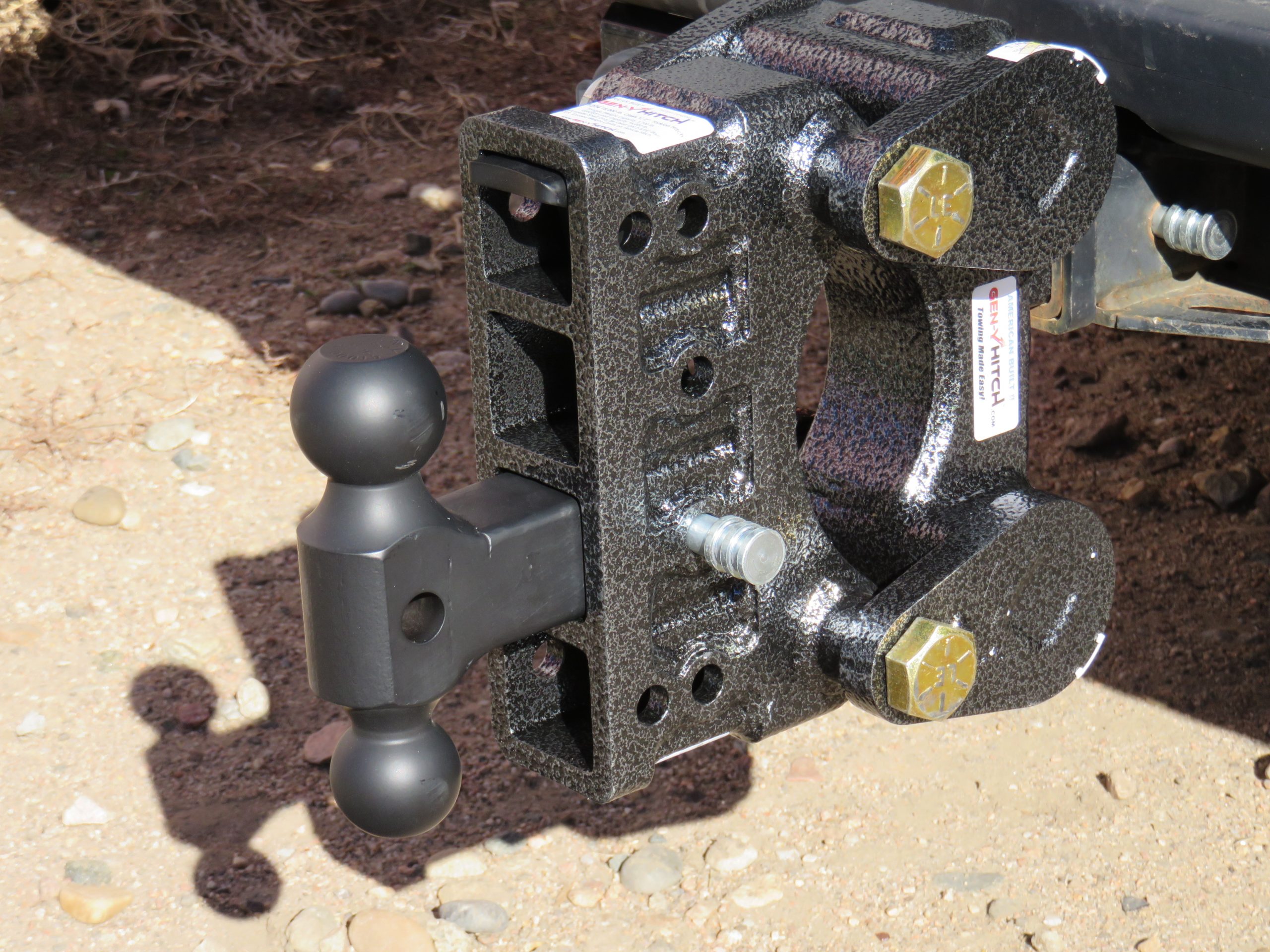
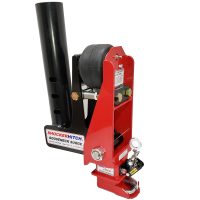
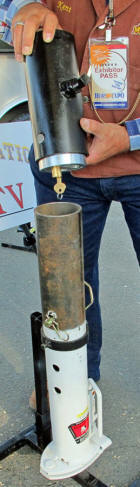
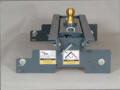
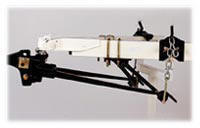
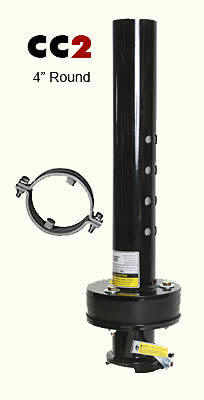
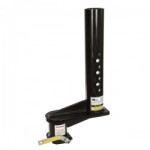
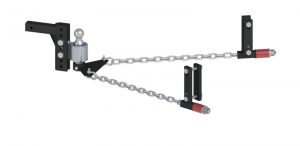
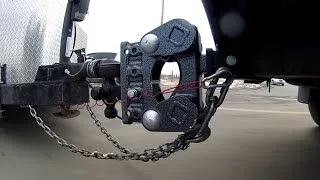
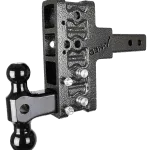
The main difference is the built-in torsion system. Instead of a rigid ball mount transmitting every bump straight into the truck, Gen Y uses stacked rubber torsion assemblies inside the hitch body to absorb some of that vertical shock. On the road, that usually translates to less chucking, less jarring over uneven pavement, and a more settled feel when the trailer starts moving around behind the truck.
#image_Geny
That does not mean it works like magic. It does not erase a poorly balanced trailer, too little tongue weight, bad shocks, weak tires, or suspension sag. A hitch can improve the connection point, but it cannot fix a bad setup. That is where some owners get disappointed. They expect one part to solve every towing complaint, and that is not how towing works.
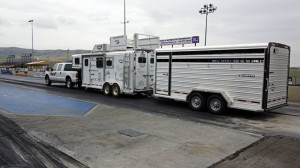
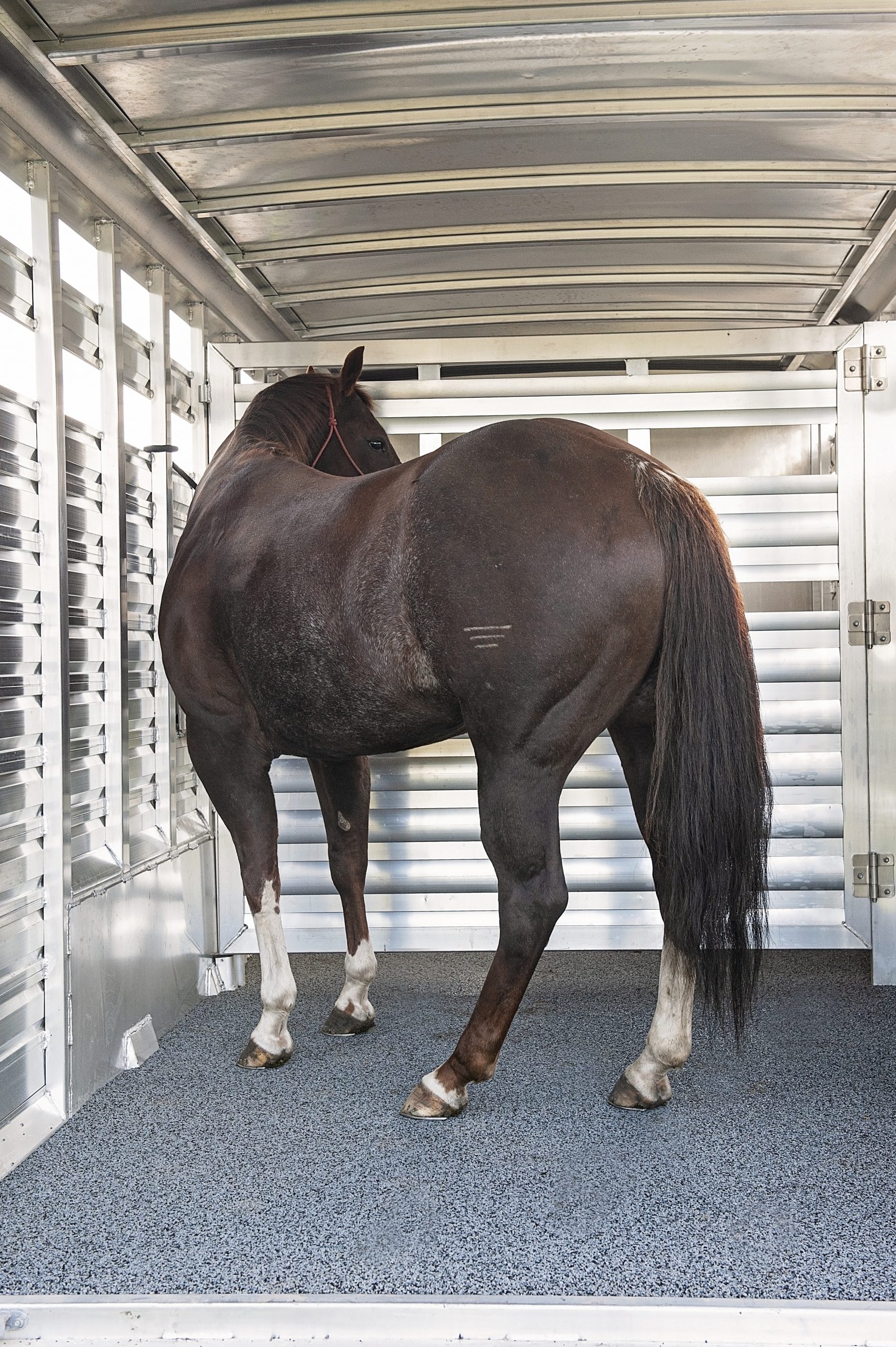
Still, when the trailer is loaded correctly and the truck is matched properly, the Gen Y design can make a noticeable difference. Horse trailer owners, RV users, and equipment haulers tend to notice it quickly because those loads often create the kind of fore-and-aft jerking and vertical shock that wear you out on a long day.
Gen Y hitch review: ride quality on real roads
Ride quality is the reason most buyers look at Gen Y in the first place, and it is where the hitch earns its keep. A conventional drop hitch is simple and strong, but it is also unforgiving. Every bump, expansion joint, and frost-heaved section of road sends a sharp message through the receiver and into the truck. With Gen Y, the edge of that impact gets softened.
On heavier bumper-pull trailers, that can mean the truck feels less like it is being snapped backward and forward. The effect is especially noticeable when the trailer is loaded near the upper end of what the truck should be towing. If you tow a dump trailer, car hauler, enclosed cargo trailer, or larger travel trailer, the hitch often feels more composed than a standard solid mount.
There is a trade-off. The hitch itself is heavy. That extra steel is part of why it is rated so high and built so stout, but it also means more weight hanging off the rear receiver. For some owners that is no big deal. For others, especially half-ton owners already close to payload limits, hitch weight matters. You need to count it just like any other part of the towing setup.
Another point worth saying plainly: the improvement is more dramatic with heavier trailers than light ones. If you pull a small utility trailer once in a while, you may not feel enough difference to justify the cost. If you tow a 10,000-pound plus trailer on a regular basis, the value becomes much easier to understand.
Build quality and ratings
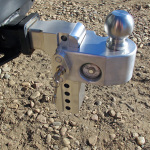
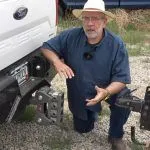
Gen Y hitches are overbuilt in a good way. The steel construction is thick, the finish is generally solid, and the overall design looks and feels like it was made for work, not for store-shelf appeal. That matters in towing equipment. Fancy marketing does not keep a trailer in line. Material strength, weld quality, and correct ratings do.
#image_Geny
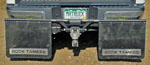
This is one area where Gen Y stands out. The company offers high gross trailer weight and tongue weight ratings across much of the line, which gives serious towers options beyond the light-duty hardware you see too often in big-box retail channels. If you are towing a heavier bumper-pull trailer with a three-quarter-ton or one-ton truck, the higher-capacity models make sense.
But higher ratings do not eliminate the need to match the hitch to the receiver, ball, and trailer coupler. The whole system has to work together. A heavy-duty adjustable hitch is only as capable as the lowest-rated component in the chain. That is basic towing, but it gets overlooked more often than it should.
Where Gen Y fits best
This hitch makes the most sense for owners who tow often enough to get tired of a rough connection between truck and trailer. RV owners covering long interstate miles, horse owners hauling live cargo, and contractors pulling equipment trailers are the best candidates. Those are the users who appreciate less shock transfer and a calmer ride.
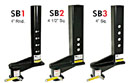
It is also a strong fit for people who need a large drop or rise. Gen Y offers adjustable setups that help level a wide range of trailers, and proper trailer attitude is not optional. A trailer that runs nose-high or nose-low can affect braking, sway behavior, tire wear, and general stability.
If your trailer changes often, an adjustable Gen Y can be more than a comfort upgrade. It can be a practical tool that keeps different trailers towing level without owning a pile of separate ball mounts.
The downsides you should know before buying
No honest Gen Y Hitch review should skip the drawbacks. First is price. These hitches cost more than standard adjustable ball mounts, and some buyers will have a hard time justifying that unless they tow frequently. If your truck only pulls a trailer a few weekends a year, the return may not pencil out.
Second is weight. Gen Y hitches are not something you casually toss behind the seat. Some are heavy enough that moving them in and out of the receiver becomes a chore. That is the price of high-capacity steel construction, but it is still a real-world inconvenience.
Third is fit for the application. Not every trailer needs torsion cushioning, and not every owner wants the bulk of this design. Some setups may benefit more from improving trailer loading, adding a quality weight distribution system, upgrading shocks, or correcting rear sag before spending money on a premium ball mount.
There is also the issue of ground clearance with deep drops. If your truck sits high and your trailer coupler sits low, you may need substantial drop. That is manageable, but the longer and lower the assembly, the more attention you need to pay when entering steep driveways or uneven job sites.
Gen Y hitch review: is it worth the money?
If you tow heavy, tow often, and care about reducing the abuse that gets transferred between truck and trailer, yes, it can be worth the money. The value is not in looks. It is in less harshness, better day-long comfort, and a towing feel that is more controlled when the road gets rough.
If you are a light-duty or occasional user, the answer is more complicated. You may appreciate the build quality and adjustability, but the ride improvement may not feel dramatic enough to justify the cost and weight. In that case, your money may go further by addressing other parts of the towing setup first.
This is where experience matters. The best hitch is not automatically the most expensive one. It is the one that fits the trailer, the truck, the receiver rating, and how you actually tow. https://mrtrailer.com/genysale.htm
Who should buy one and who should pass
A Gen Y is a smart buy for the owner who pulls substantial loads on a regular basis and wants a better-behaved connection at the receiver. It is especially appealing for horse trailers, RVs, enclosed haulers, and equipment trailers where road shock and chucking are more than just an annoyance.
You should probably pass, or at least pause, if you are near payload limits, tow light loads, or have not solved basic setup issues yet. A premium hitch cannot make up for an overloaded truck, a bad trailer balance, or the wrong ball height. Get the fundamentals right first.
The bottom line is simple. Gen Y makes a serious hitch for serious towing. It is not the cheapest option, and it is not the lightest, but it has real advantages when your trailer weight and mileage make those advantages count.
If you want proven towing gear and expert help matching the right setup to your truck and trailer, visit our store at https://Store.MrTruck.com.
A smoother tow is nice, but a better-matched hitch is what keeps long miles from turning into hard miles.
Comments