
A trailer bearing usually gives you plenty of warning before it fails, but only if you know what to look for. If you are asking when replace trailer wheel bearings, the honest answer is not a single mileage number. It depends on trailer weight, how often you tow, whether the hubs get wet, how hot they run, and whether the bearings were packed and adjusted correctly to begin with.
That is why experienced trailer owners do not treat wheel bearings like a set-it-and-forget-it part. A bad bearing can ruin a spindle, destroy a hub, lock up a wheel, or leave you stranded on the shoulder with livestock, a camper, or a loaded equipment trailer behind you. This is one of those maintenance jobs that is cheap when done early and expensive when ignored.
When to replace trailer wheel bearings
In many cases, trailer wheel bearings do not need automatic replacement on a fixed calendar the way brake pads or tires sometimes do. What they do need is regular inspection, cleaning, repacking, and correct adjustment. If the bearing surfaces still look smooth and clean, and there is no looseness, pitting, bluing, scoring, or overheating, they may be fine to keep using.
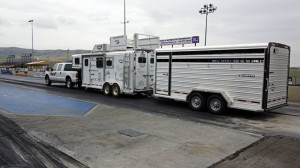
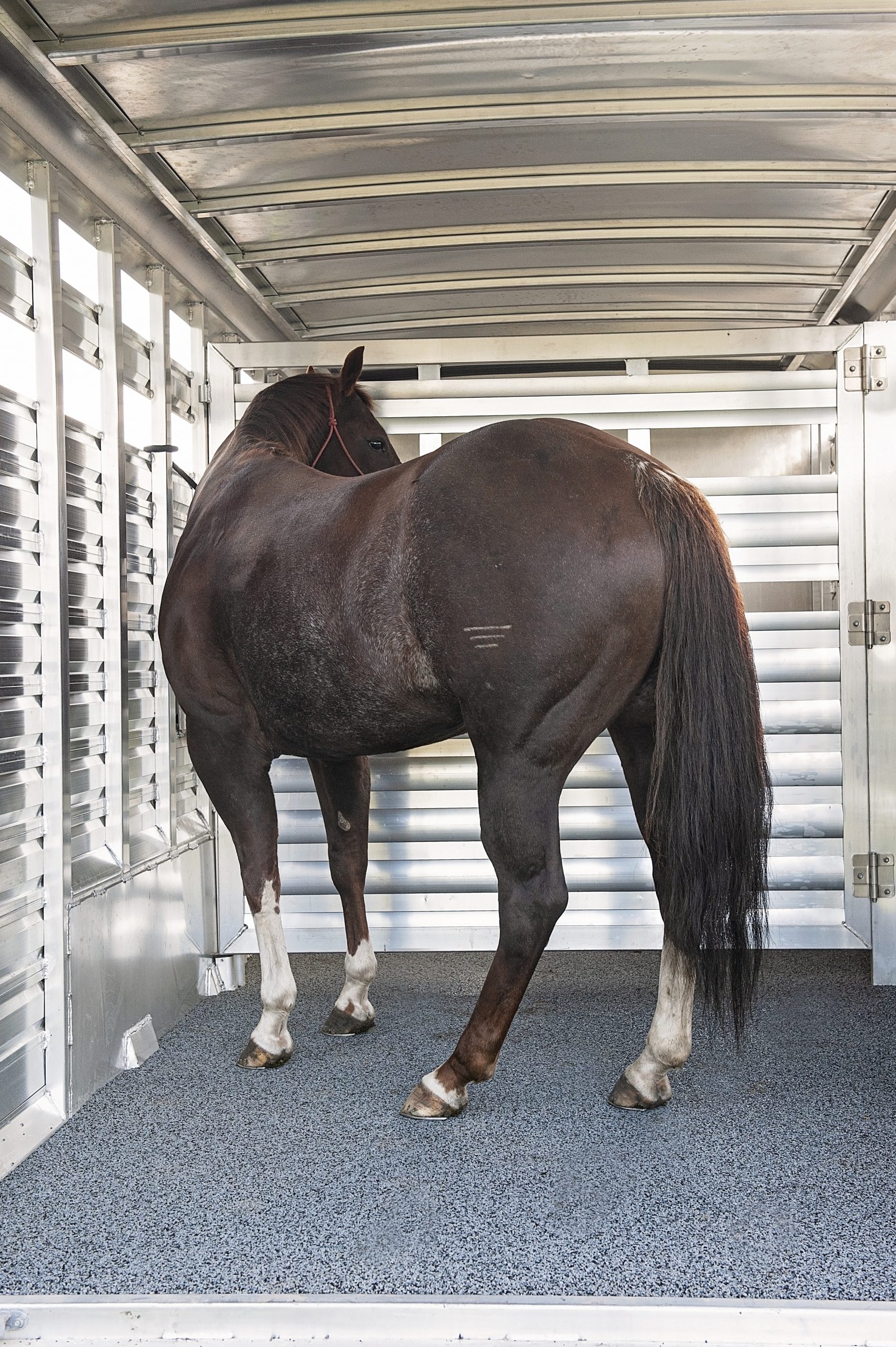
A common rule for light and medium-duty trailers is to inspect and repack bearings about every 12 months or around 10,000 to 12,000 miles. For boat trailers or any trailer that sees regular water intrusion, service may need to happen much sooner. For heavy RVs, horse trailers, and work trailers that spend long days on hot highways, annual inspection is still a smart baseline even if mileage stays low.
Replacement makes sense when inspection shows wear, not just because a date rolled around. If the rollers or races show pitting, discoloration, rough spots, flaking, or metal transfer, replace them. If a bearing has run hot enough to turn blue or black, replace it. If the grease is contaminated with water or metal, do not try to save the bearing. Replace it and find out what caused the contamination.
The signs your bearings are done
Most owners notice the problem in stages. First, the hub may run warmer than the others after a normal tow. Then you may hear a growl, feel vibration, or notice a little wheel play when the trailer is jacked up. If things keep going, the grease seal fails, grease leaks onto the wheel or brakes, and the bearing starts coming apart.
Here are the warning signs that usually mean replacement is the right call:
- Roughness when you spin the wheel by hand
- Noticeable wheel wobble or end play that adjustment does not fix
- Burnt grease smell or dark, cooked grease
- Blue, purple, or black heat marks on the bearing or race
- Pitting, scoring, or flaking on rollers or races
- Water contamination, rust, or milky grease
- Repeated seal failures or grease leaking past the hub
If you have one failed bearing on a tandem-axle trailer, inspect all of them closely. The same age, same miles, and same maintenance habits usually affect every hub.
Heat tells the truth
Heat is one of the best clues. After towing, place your hand near each hub carefully, or better yet use an infrared temp gun. All hubs should be in the same general temperature range. One hub noticeably hotter than the others is a red flag. That can point to a bearing issue, bad adjustment, dragging brakes, or a failing seal.
Bearings do not have to be completely destroyed to be replaced. If a hub keeps running hot compared with the rest, you are already in the danger zone.
Noise matters too
Trailer bearings do not always scream before they fail. Sometimes the sound is a low hum or growl that blends in with road noise. On an RV or enclosed trailer, you may not hear it at all from the cab. That is why hub temperature checks at fuel stops are such a good habit.
Mileage is only part of the answer
Owners love a mileage number because it feels clear. The trouble is that 10,000 easy highway miles with light loads is not the same as 10,000 miles hauling horses, running rough county roads, or backing a boat trailer into the water every weekend.
A lightly used utility trailer stored indoors might go years with bearings that still inspect clean after repacking. A hard-used livestock or equipment trailer may need replacement much earlier because of load, heat, dust, shock, and frequent stop-and-go use.
That is the real answer to when replace trailer wheel bearings: replace them when inspection shows wear or contamination, and inspect them often enough that you catch trouble before the spindle gets damaged.
What shortens bearing life fastest
Water is high on the list. Boat trailers live a hard life because the hot hub hits cool water, and moisture finds a way in. Once water gets into the grease, rust starts and bearing life drops fast.
Improper adjustment is another common killer. Too tight and the bearing runs hot. Too loose and it pounds itself to death. Poor-quality grease, mixed grease types, overfilled hubs, damaged seals, and cheap replacement bearings can all shorten service life.
Storage also matters more than some owners think. A trailer that sits for long periods can collect condensation. Grease can separate over time. Surface corrosion can start before the next trip, especially in humid climates.
Heavy trailers need less guesswork
If you are towing a heavy fifth-wheel, horse trailer, or gooseneck, this is not the place for guesswork. Loaded weight, speed, and heat work against bearings every mile. These trailers deserve scheduled inspections, not just a quick glance before vacation season.
With heavier trailers, many seasoned owners carry a spare bearing set, races, seals, grease, and the tools to do a roadside repair if needed. That is not paranoia. That is towing experience.
Repack or replace?
A lot of bearings that get replaced did not actually need replacement. They needed cleaning, fresh grease, new seals, and proper adjustment. If the bearing and race are smooth, bright, and free of wear, repacking is often enough.
But once there is visible damage, do not cut corners. Replace both the bearing and the race as a matched set. Replacing one without the other is asking for trouble. Always install a new seal when the hub comes apart. Reusing old seals is one of the easiest ways to invite grease loss and contamination.
If the spindle is scored, blued, or worn, the job may have gone beyond bearings. At that point, you may be looking at spindle repair or axle replacement.
How often should different trailers be checked?
A small utility trailer used locally may only need annual service if usage is light and storage is good. A travel trailer should still get bearings inspected at least once a year, especially before a long trip. Horse trailers and livestock trailers deserve close attention because a roadside failure is more than an inconvenience. Boat trailers need the most frequent service because water changes everything.
If you just bought a used trailer and do not know the service history, inspect the bearings now. Do not trust the seller’s memory. Fresh grease on the outside of a hub tells you nothing about the condition of the rollers and races inside.
The mistakes that lead to bearing failure
The biggest mistake is waiting for obvious symptoms. By the time a bearing is noisy or wobbling, damage may already be advanced. Another mistake is pumping grease blindly into an EZ lube or greaseable hub and assuming the bearing is fine forever. Those systems can help with maintenance, but they do not replace teardown inspection. You still need to look at the bearings, races, and seals.
Cheap offshore bearing kits can also be a false bargain on a trailer that sees real towing miles. This is a safety part. Quality matters.
Finally, do not ignore the brakes when you service bearings. Grease contamination on brake shoes or pads, magnet wear, drum condition, and seal leakage all deserve a look while the hub is apart.
A practical replacement rule
If you want a straightforward shop-floor rule, use this one. Inspect and repack trailer wheel bearings every year or roughly every 10,000 to 12,000 miles. Replace them any time you see heat damage, roughness, pitting, rust, scoring, contamination, or looseness that proper adjustment does not correct.
That approach is a lot smarter than replacing good bearings on a timer or running damaged ones until they fail. Trailer maintenance is about catching small problems before they become dangerous ones.
If you need proven towing parts, maintenance gear, or trailer accessories that hold up in real use, shop at MrTruck’s store: https://Store.MrTruck.com . A few dollars spent before the trip beats a burned-up hub on the side of the interstate.