
Factory puck systems are convenient right up until you realize not every hitch that drops in is worth towing with. Fit is only the start. If you’re shopping for a fifth wheel hitch for puck system trucks, the real question is how it tows under load, how easy it is to remove, and whether it matches your truck bed, trailer, and actual use.
That matters because puck systems changed the buying process. Years ago, you bought bed rails, matched a hitch, and accepted the hardware sitting in the bed full time. Today, Ford, Ram, GM, and Nissan puck layouts give you a cleaner install and easier removal, but they also make hitch choice more brand-specific. A hitch can be an excellent design and still be the wrong one for your truck or trailer setup.
What a fifth wheel hitch for puck system trucks needs to do
A good puck-system hitch should do three things well. It needs to lock securely into the factory anchors, it needs to hold the king pin with minimal chucking and noise, and it needs to be practical to live with when the trailer is not attached. That last part gets overlooked. A lot of owners love the clean bed until they buy a hitch so heavy or awkward that it rarely comes out.
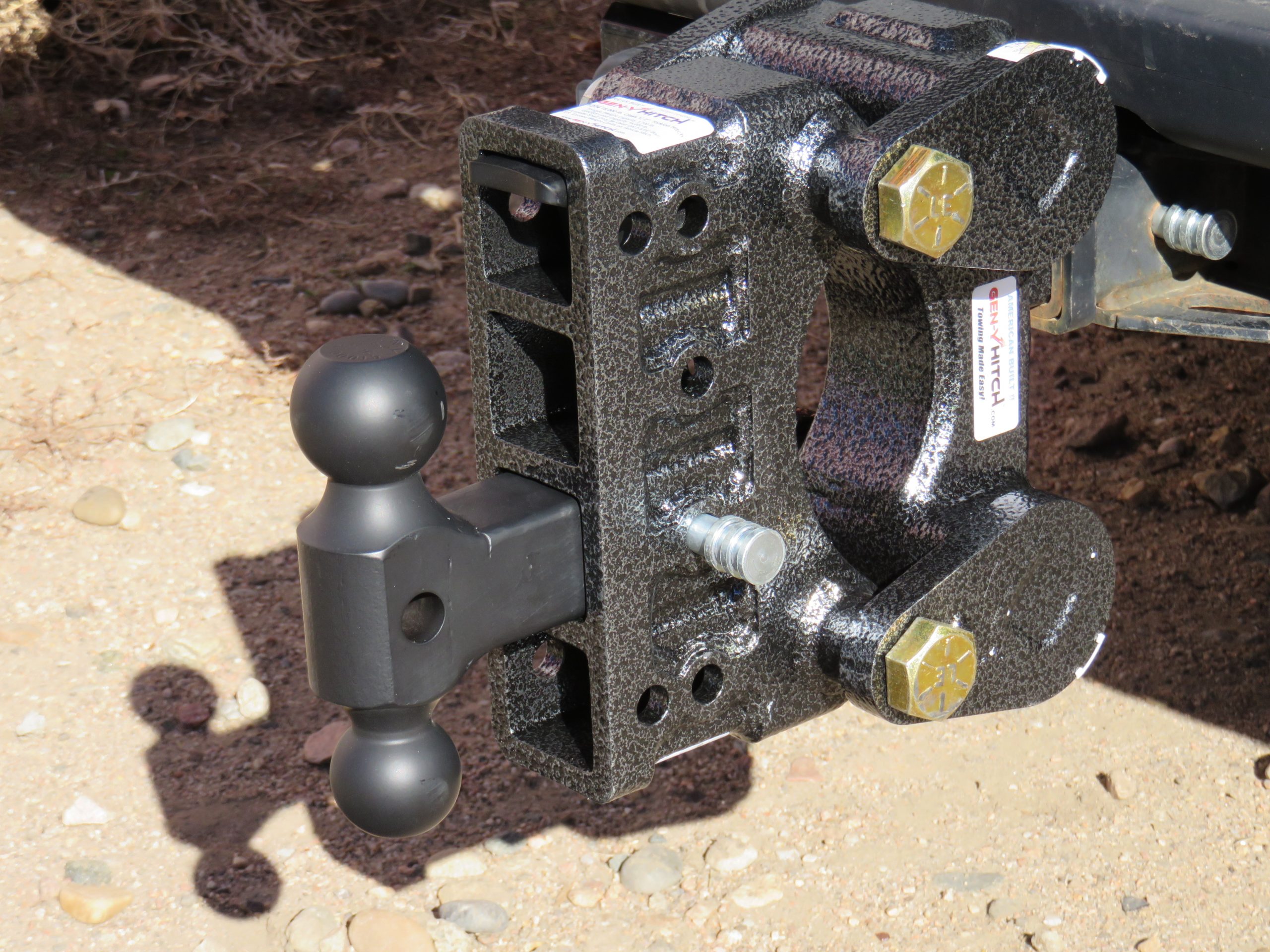
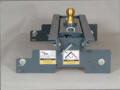
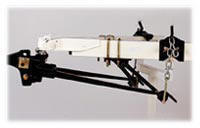
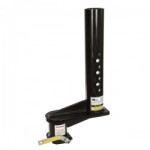
The best designs balance strength with usability. Some hitches are built like a battleship and tow that way too, but they can be miserable to remove in one piece. Others break down into lighter sections, which is a major advantage if you use the truck for cargo during the week and tow on weekends. https://store.mrtruck.com/GoosePuck-5-offset-ball-puck-mount-Ford-2017plus-p/gh-21011.htm Jaw design matters just as much as gross trailer weight ratings. Wraparound jaws generally hold the king pin tighter than slide-bar styles, and that usually means less movement when starting and stopping. For RV owners putting on long highway miles, that difference is easy to feel from the driver seat.
Puck system fitment is not universal
This is where buyers get tripped up. A puck system may look similar from truck to truck, but the dimensions and attachment points are not all the same. Ford’s OEM prep package differs from Ram’s, and GM’s pattern is its own deal. You need the hitch head and base built for that exact factory system unless you’re using an approved adapter.
OEM-specific hitches vs adapter solutions
In most cases, a direct-fit puck hitch is the better answer. It sits lower, has fewer parts between truck and trailer, and keeps the setup simpler. Adapters can help if you already own a standard-rail hitch you like, but they add height, weight, and another interface in the system. Sometimes that is acceptable. Sometimes it creates clearance problems or changes how the trailer rides.
If you’re starting from scratch, buying the right hitch for the factory puck layout is usually the cleaner and safer move.
Short bed or long bed changes everything
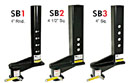
A fifth wheel hitch for puck system applications has to match bed length, not just truck brand. Long-bed owners have it easy. If your trailer and pin box geometry are normal, a fixed hitch often works well and gives you one less moving part to maintain.
Short-bed trucks are different. Cab clearance becomes the issue during tight backing or fuel-station turns. You may need a sliding hitch, especially with a traditional front-cap trailer. Some newer RVs are designed with better turning clearance, and some pin boxes help, but this is not the place to guess. Broken rear glass and dented cabs are expensive lessons.
Auto-slide models are convenient because they move rearward during turns without the driver leaving the seat. Manual sliders cost less and can work fine, but they depend on the operator remembering to use them before a tight maneuver. For some owners, that’s no problem. For others, especially occasional towers, the simpler choice is the one that protects them from a bad day.
Ride quality is where the better hitches separate themselves
A lot of first-time buyers focus on capacity numbers. Experienced towers usually ask about ride. That’s because a harsh, jerky hitch can make even a well-matched truck and trailer feel busy on expansion joints, rough pavement, and stop-and-go traffic.
Look at the head and pivot design
A hitch head that pivots well front to back and side to side makes hitching easier on uneven ground and helps the trailer settle more naturally when towing. Better cushioning and tighter jaw engagement reduce the banging and clunking people often call chucking. You may still feel trailer input – that is part of hauling a heavy fifth wheel – but the better hitch designs keep it under control.
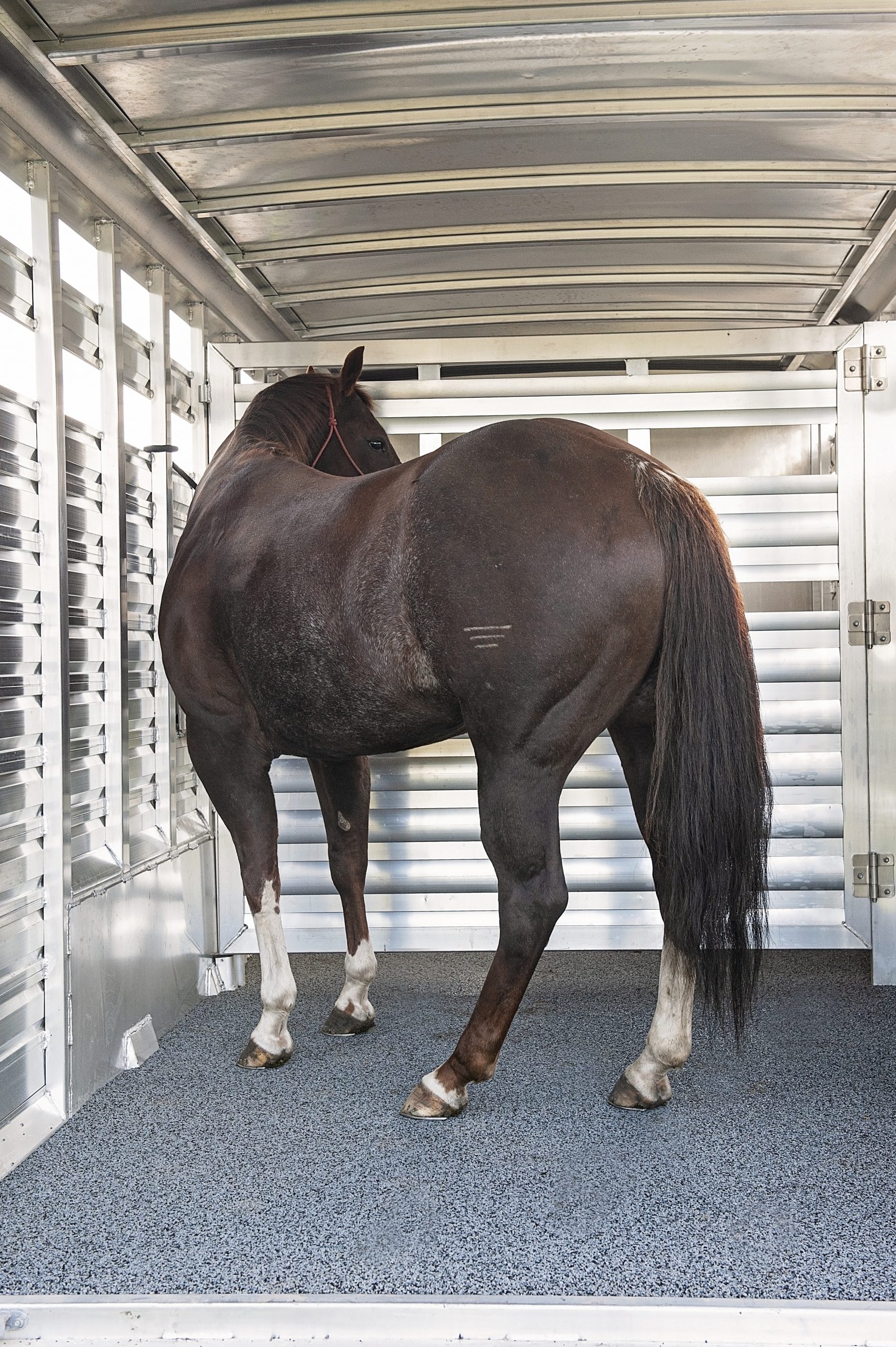
This is especially important for horse trailer owners and anyone carrying valuable cargo. A smoother hitch is not just a comfort upgrade. It can reduce stress on the trailer and improve overall towing confidence.
Weight ratings matter, but not the way many buyers think
You do need enough hitch capacity, but chasing the biggest rating is not always smart. Heavier hitches are often bulkier, harder to remove, and more than you need. What matters is matching the hitch to the loaded trailer weight and pin weight with real margin, not marketing bravado.
If your trailer is a mid-profile fifth wheel and your hitch is properly rated with room to spare, moving to a much larger commercial-style hitch may buy you little besides extra lifting. On the other hand, if you’re pulling a heavy toy hauler or a large livestock trailer with substantial pin weight, this is not a place to cut it close.
Check truck payload too. Plenty of owners look only at tow rating and ignore how quickly hitch weight, passengers, fuel, tools, and pin weight add up.
Installation and removal are part of ownership
The beauty of the puck system is a clean truck bed when the hitch is out. But some hitches make that easy and some do not. If you need bed space for hay, pallets, generators, or everyday work, pay attention to whether the hitch separates into head and base sections and how manageable those pieces are.
Security in the pucks
A good fit in the pucks should feel solid with proper adjustment and locking handles that operate cleanly. Sloppy fitment is more than annoying. It can contribute to movement, noise, and long-term wear. Installation should not require fighting the anchors every time you set the hitch in place.
This is one reason premium hitches earn their keep. Better machining, cleaner tolerances, and better handle design save time every hookup season.
What buyers usually get wrong
The most common mistake is buying by price alone. A fifth wheel hitch is not just another accessory. It is the connection holding thousands of pounds over your truck axle at highway speed. Saving money up front can cost you more in ride quality, ease of use, and confidence every mile afterward.
The second mistake is ignoring truck bed and trailer geometry. Bed length, rail height, trailer overhang, pin box style, and turning clearance all matter. A hitch that technically fits the puck system can still be a poor match for your setup.
The third mistake is forgetting how the truck is actually used. If the hitch stays in all season and the truck is mostly a tow rig, weight may not bother you. If the truck doubles as a ranch truck or daily work pickup, hitch removal becomes a major factor.
So what should you buy?
For most RV owners with a factory prep package, a direct-fit puck-system hitch with wraparound jaws and a well-designed pivoting head is the sweet spot. If you have a short-bed truck and limited cab clearance, a slider deserves serious consideration. If you tow often and want the easiest, most consistent setup, spending more for a smoother, better-built hitch usually pays off every trip.
There is no single best choice for every truck. Ford owners, Ram owners, and GM owners all need the correct puck fit, and the right answer changes with bed length, trailer size, and how often the hitch comes out. The best buying decision is the one that matches your real towing conditions, not the biggest number on the box.
That is how experienced towers shop. They look past the catalog claims and ask what will hold tight, tow quietly, clear the cab, and come out of the bed without a wrestling match. If you want help choosing the right fifth wheel hitch for puck system trucks, visit our store at https://Store.MrTruck.com and get equipment that is selected for real towing, not shelf decoration.
A good hitch should make every hookup feel routine and every mile feel controlled. That is the standard worth paying for.