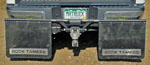

A trailer that tows badly will wear you out faster than a long day behind the wheel. Most towing problems are not caused by the truck itself. They come from overlooked truck and trailer accessories – the parts that control sway, support weight, protect tires, improve visibility, and keep the whole setup working the way it should.
That is why smart accessory choices matter more than chrome add-ons or gadget hunting. If you pull an RV, horse trailer, equipment trailer, or work trailer, the right gear can make the difference between a stable, confident tow and a white-knuckle trip. The key is knowing which accessories actually solve real towing problems.
Which truck and trailer accessories matter most?
The short answer is this: the best accessories are the ones that fix your weak point. For one owner, that means controlling rear-end squat. For another, it means stopping trailer sway in crosswinds. A ranch operator hauling horses may care most about ride quality and tire safety. An RV owner crossing multiple states may put trailer security and tire pressure monitoring at the top of the list.
Too many buyers start with appearance or convenience items and skip the safety hardware. That is backwards. Start with control, braking feel, tire protection, hitch fit, and load stability. Once those are handled, the smaller comfort and utility upgrades make more sense.
Truck and trailer accessories that improve towing safety
If you tow regularly, a few categories deserve serious attention because they affect control every mile.
Weight distribution and sway control
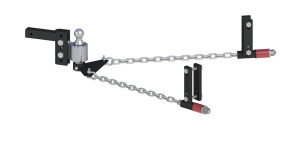
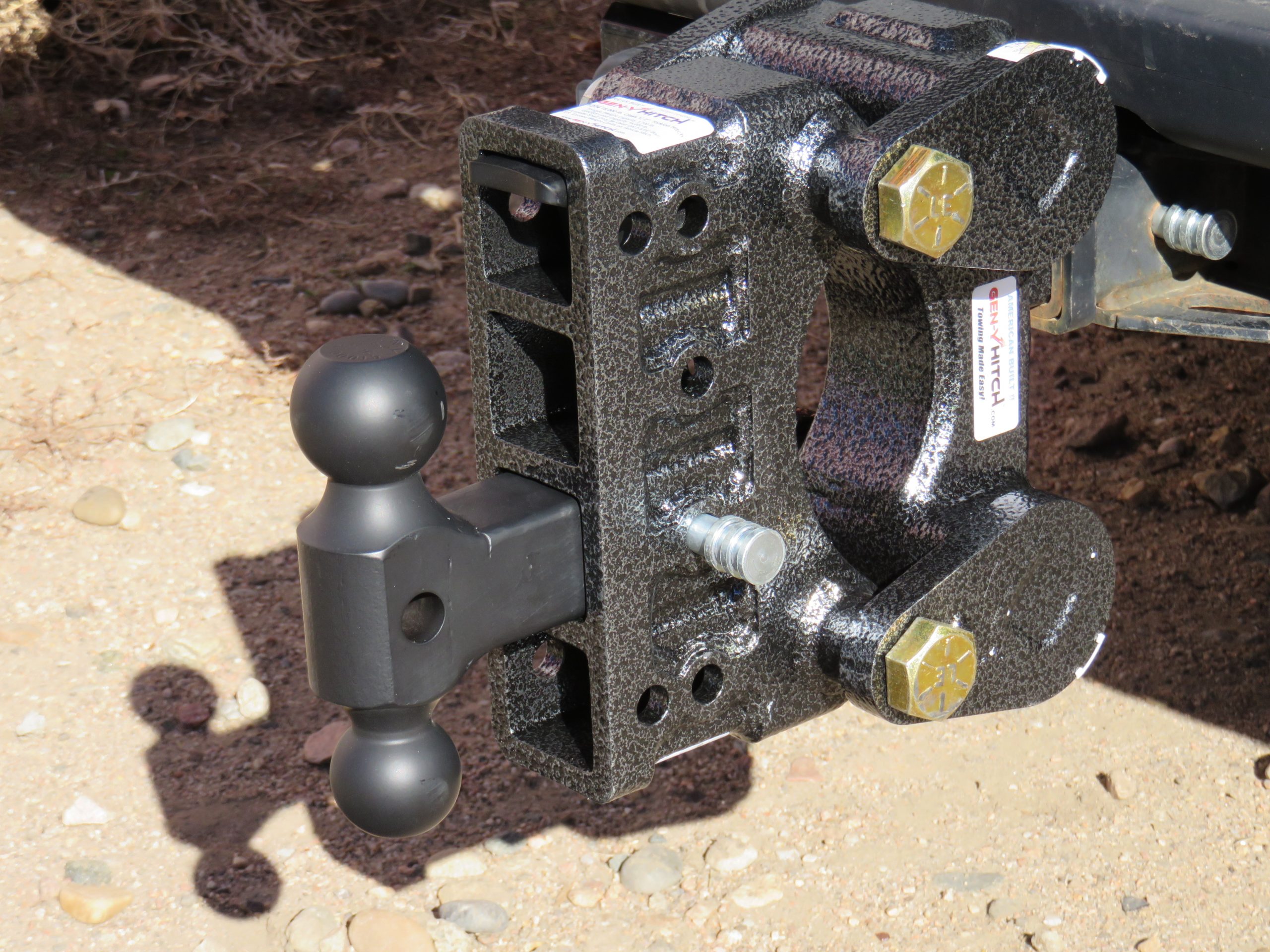
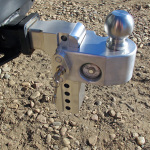
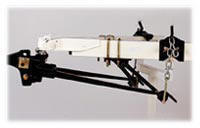
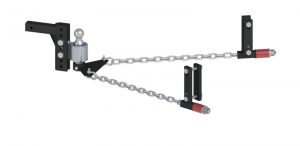
A weight distribution hitch is one of the most important upgrades for many bumper-pull trailers. When tongue weight pushes the rear of the truck down, steering can get lighter, braking can feel less balanced, and headlight aim can climb. A properly matched system redistributes weight across the axles and helps the truck and trailer work together.
Sway control matters just as much. Some trailers are naturally stable. Others become a handful when wind hits, speed rises, or loading is off. The right sway control setup can calm a trailer down dramatically, but it has to match trailer size, tongue weight, and how the trailer is used. A lightweight travel trailer and a heavy enclosed trailer may need very different solutions.
Suspension support
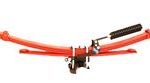
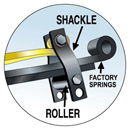
Rear suspension upgrades are often misunderstood. They do not increase the truck’s factory payload rating, but they can improve ride height, handling feel, and stability when carrying heavy tongue weight or pin weight. Air springs, helper springs, and other load-support products can reduce sag and help keep the truck level.
That said, not every truck needs them. If your truck already sits level and handles the load well, adding suspension parts may not solve anything. But when a truck squats too much, especially with a loaded trailer, suspension support can improve control and driver confidence.
Brake controllers and towing electronics
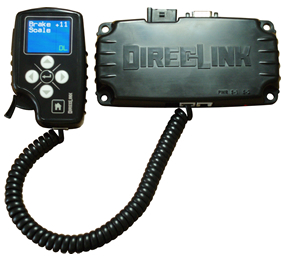
A good brake controller is not optional for serious trailer use. It should apply trailer brakes smoothly, predictably, and in proportion to the truck’s braking effort. Cheap or poorly adjusted controllers can make the trailer feel grabby or lazy, and neither is good when traffic tightens up.
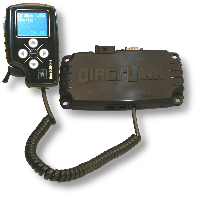
Other towing electronics can be just as valuable. Camera systems, lighting adapters, and wired or wireless monitoring tools help drivers stay aware of what the trailer is doing. On longer rigs, that extra visibility is not a luxury. It is part of towing safely.
Tire and wheel accessories are not a side issue
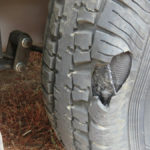
A lot of trailer trouble starts at the tires. Blowouts, heat buildup, underinflation, and overloaded tires are common problems, especially on long summer trips.
Tire pressure monitoring systems
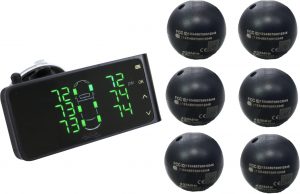
A tire pressure monitoring system is one of the smartest accessories you can add to a trailer. It gives you a chance to catch pressure loss or overheating before the tire comes apart and damages the trailer. That matters for any trailer, but it is especially valuable for RVs, horse trailers, and gooseneck setups that spend long hours on the road.
The trade-off is simple. A monitoring system costs more up front and takes a little setup time, but that is minor compared with the cost of a shredded tire, damaged fender, or roadside delay.
Tire care and wheel security
Valve stem quality, proper inflation tools, and the right replacement wheels also matter. So do torque checks and regular inspection. These are not glamorous upgrades, but they are part of the real-world accessory picture. The best towing setups are usually built by owners who pay attention to the basics.
Security accessories earn their keep
Trailer theft is not rare, and neither is tampering when a trailer sits at a campground, jobsite, storage lot, or event grounds. Security products are easy to ignore until you need them.
Coupler locks, receiver locks, wheel locks, and heavy-duty locking systems all serve a purpose. The best choice depends on where the trailer is stored and how often it is left unattended. A simple coupler lock may be enough for short stops. For longer storage, layered protection makes more sense.
This is one area where cheap products often disappoint. Weak locks and thin materials may look fine on the shelf but fail where it counts. Security accessories should be chosen the same way you choose a hitch – by strength, fit, and real-world reliability.
Accessories for visibility and everyday towing ease
Some truck and trailer accessories are not about correcting a dangerous setup. They are about making routine towing less stressful.
Extended towing mirrors are a good example. If you cannot see down the side of the trailer, lane changes and backing become harder than they need to be. The right mirror solution improves awareness and reduces fatigue, especially on multi-lane roads and in traffic.
Lighting upgrades help too. Better marker visibility, working connectors, and dependable trailer lights reduce the chance of roadside problems and keep other drivers aware of your rig. If you tow in bad weather, after dark, or through heavy traffic, lighting is worth more than many owners realize.
Backing aids also deserve a look, especially for fifth-wheel, gooseneck, and longer bumper-pull trailers. Camera systems and alignment aids can save time and reduce frustration when hitching up alone.
Matching accessories to your type of trailer
Not every trailer needs the same setup, and that is where many buyers waste money.
An RV trailer often benefits most from weight distribution, sway control, tire monitoring, and security gear. A horse trailer may put a higher priority on smooth ride quality, tire safety, dependable brakes, and stable suspension because live cargo changes the equation. Equipment trailers and work trailers may call for stronger tie-down solutions, better lighting, and components built for heavy, repeated use.
Gooseneck and fifth-wheel owners have their own considerations. Hitch compatibility, bed clearance, turning room, and suspension support become more important, especially with short-bed trucks or heavy pin weights. The right accessory package depends on how the trailer loads, how often it travels, and what happens when conditions are less than ideal.
How to buy truck and trailer accessories without wasting money
Start by being honest about your towing problem. If your trailer sways, do not buy cosmetic upgrades first. If your truck squats, address load support or hitch setup. If you are worried about long-distance tire failures, put your money into monitoring and tire care.
It also pays to think in systems, not single parts. A trailer that tows poorly may have more than one issue. Tongue weight, hitch height, tire pressure, suspension sag, and loading balance can all interact. One accessory may help, but the best fix often comes from getting the whole towing combination sorted out.
Finally, avoid buying by price alone. The lowest-cost option is rarely the best value if it wears out early, fits poorly, or creates more adjustment trouble than it solves. Towing equipment lives a hard life. Buy for performance and durability first.
Experienced truck owners know this already: the accessories worth having are the ones you notice when conditions get bad. Crosswind, rain, mountain grades, heavy traffic, rough pavement – that is where good equipment proves itself.
If you want proven truck and trailer accessories chosen for real towing performance, visit our store at https://Store.MrTruck.com.
A better towing setup usually starts with one honest question: what is the weakest part of your rig right now? Visit our store